
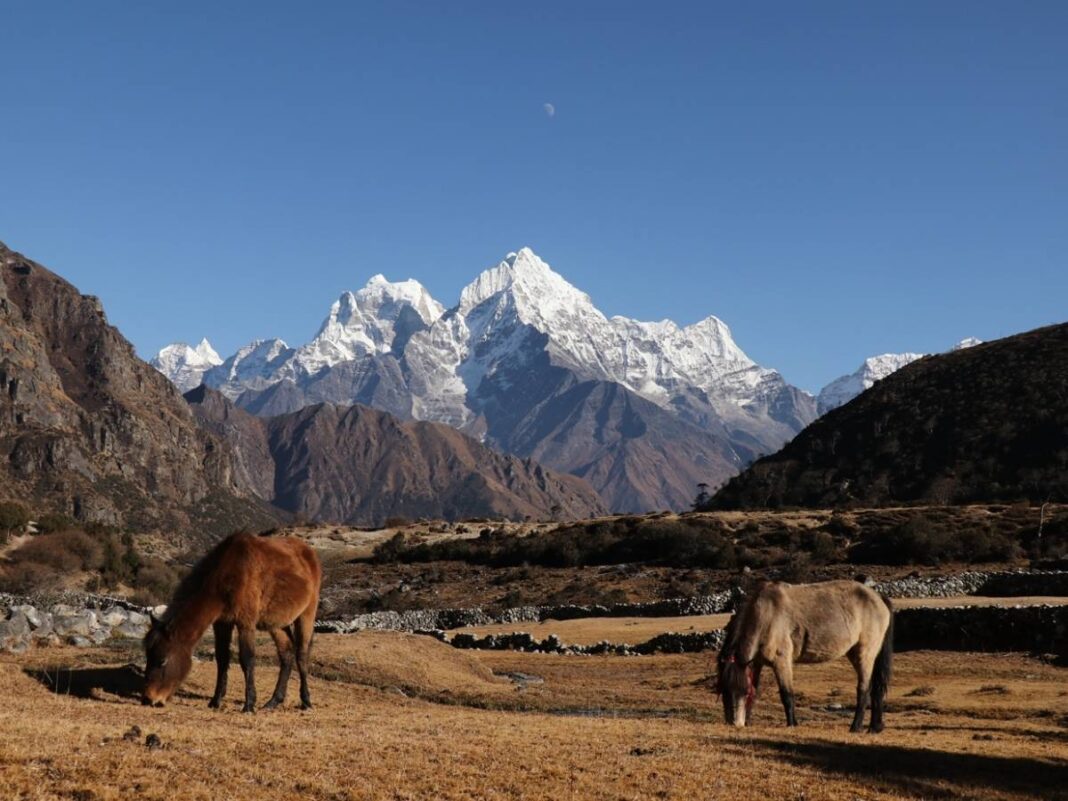

There are very few places on Earth where trekking feels as vast, raw, and transformative as it does in Nepal. This is, after all, the country that holds Mount Everest and a dense network of Himalayan trails that have drawn trekkers for decades. Routes like the Everest Base Camp, the Annapurna Circuit, and the quieter paths of Langtang Valley are not just popular—they are globally iconic. Every year, thousands of trekkers from different backgrounds, fitness levels, and countries set out on these trails, often describing the experience as one of the most meaningful journeys of their lives.
And yet, before you even begin planning, one question naturally surfaces: Is it safe?
If you’ve spent any time researching, you’ve likely come across mixed signals. On one hand, Nepal is celebrated as a trekking paradise. On the other, stories about altitude sickness, unpredictable weather, or emergency evacuations can make the entire experience seem intimidating, especially if this is your first high-altitude trek. It’s easy to assume that trekking in the Himalayas is inherently dangerous or reserved only for highly experienced adventurers.
But that assumption doesn’t fully reflect reality.
The truth sits somewhere in between. Trekking in Nepal is not risk-free, but it is far from reckless. Most people who trek in regions like the Khumbu region or the Annapurna region complete their journeys without serious issues. What makes the difference isn’t luck or extreme athletic ability, it’s how well you understand the environment and how you prepare for it.
If you approach trekking casually, ignoring altitude, weather patterns, or basic precautions, the risks increase quickly. But if you approach it with awareness and respect for the terrain, those same risks become manageable, even predictable.
As you move through this guide, you’ll get a clear, grounded understanding of what “safety” really means in the context of trekking in Nepal. You’ll learn where the actual risks lie, how often they occur, and most importantly, what you can do to reduce them significantly. By the end, you won’t just have a general answer to whether trekking in Nepal is safe, you’ll know whether it’s safe for you, and how to make sure it stays that way.
How Safe Is Trekking in Nepal Overall?
To understand how safe trekking in Nepal really is, you need to look beyond perception and into actual patterns, how many people trek, what typically goes wrong, and how often serious incidents occur. Nepal consistently ranks among the world’s busiest trekking destinations. According to data from the Nepal Tourism Board, the country welcomed over 1 million international tourists annually in peak years, with trekking forming a major segment of that flow.
Routes in regions like the Annapurna region alone issue over 150,000 trekking permits (ACAP) per year, while the Khumbu region, home to Everest Base Camp, sees tens of thousands of trekkers each season.
Now, compare that volume with incident data.
- Reported trekking-related fatalities typically range between 50–150 cases per year across the entire country
- The leading cause is altitude sickness, not accidents or crime
- Non-fatal incidents (rescues, evacuations) occur more frequently, especially involving altitude-related complications
When you put this into perspective, the fatality rate remains extremely low relative to total trekkers, generally estimated at well below 0.1%. This places trekking in Nepal in a comparable or safer range than many other high-altitude adventure activities globally.
But raw numbers only become meaningful when you understand the distribution of risk. A significant proportion of serious incidents share common patterns:
- Rapid ascent without proper acclimatization
- Ignoring early symptoms of altitude sickness
- Trekking during unstable weather windows (late monsoon or deep winter)
- Lack of guidance in remote or restricted regions
In other words, the risks are not random, they are highly predictable and often preventable. This is precisely why thousands of trekkers complete routes safely every year. In well-established trails like the Annapurna Circuit, you are supported by:
- Clearly defined paths and signage
- Dense networks of teahouses at regular intervals
- Local guides with route-specific expertise
- Increasing access to communication (mobile networks in many sections)
Even in higher-risk areas like the Everest Base Camp trail, the infrastructure is far more developed than most first-time trekkers expect. Helicopter evacuation systems, although expensive, are well-established and frequently used in emergencies.
From a risk assessment standpoint, trekking in Nepal is best understood as a managed-risk environment rather than a dangerous one. The hazards, altitude, weather, terrain are real, but they are also well-documented, widely understood, and increasingly supported by systems designed to mitigate them.
So what does this mean for you? If you approach trekking with no preparation, the environment can expose your weaknesses quickly. But if you plan properly, manage your ascent, choose the right season, and make informed decisions, you are operating within a system where the probability of a safe outcome is overwhelmingly high.
The most accurate conclusion is not that trekking in Nepal is “safe” in a casual sense. It is this:
Trekking in Nepal is statistically safe for informed and prepared trekkers, but the margin for error narrows quickly when you ignore the fundamentals.
Major Risks You Should Know Before Trekking
Trekking in Nepal is not dangerous in a random or unpredictable way, but it is demanding. The risks you face are specific, well-documented, and, importantly, manageable if you understand them in advance. What separates a smooth trek from a problematic one is rarely chance, it’s how well you anticipate these factors and respond to them. Below are the key risks you need to evaluate seriously before setting foot on the trail.
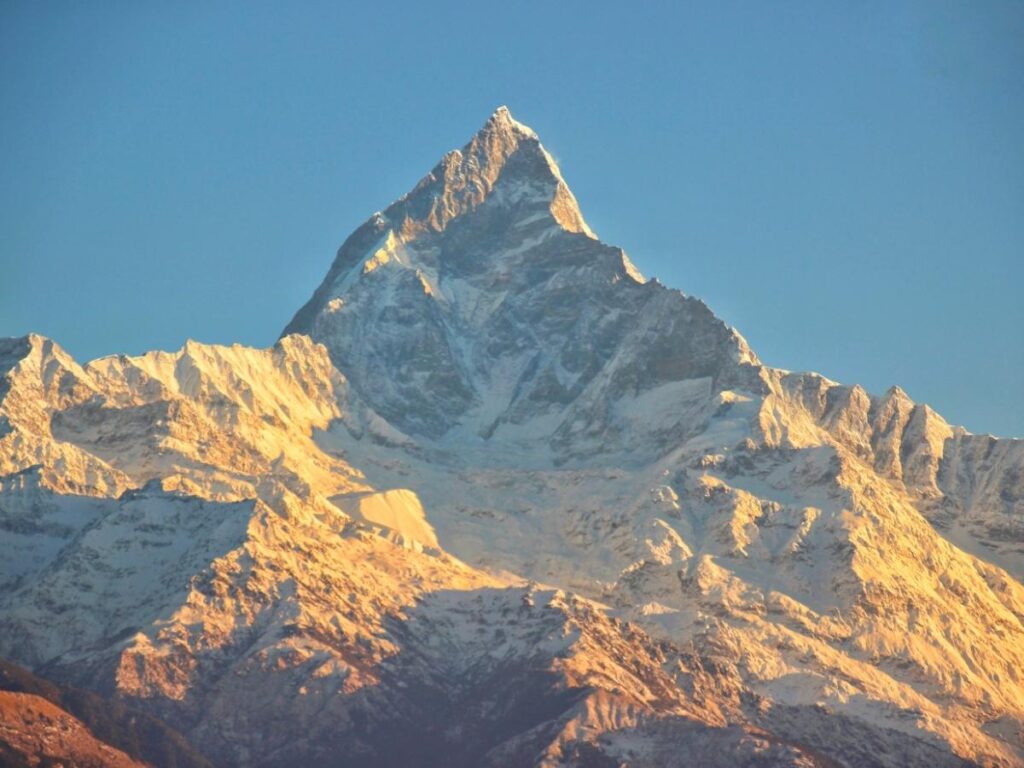
Altitude Sickness (The Biggest Risk)
If there is one risk that consistently accounts for the majority of serious incidents in Nepal, it is altitude sickness.
What It is and Why It Happens?
As you ascend above 2,500 meters, the oxygen level in the air drops significantly. Your body doesn’t get less oxygen per breath, it gets less oxygen per unit of air. This forces your body to adapt, and that adaptation takes time. When you ascend too quickly, your body cannot keep up.
Popular treks like Everest Base Camp (5,364 m) and Annapurna Circuit (Thorong La Pass at 5,416 m) push well into high-altitude zones where this risk becomes unavoidable.
Common symptoms (AMS, HAPE, HACE)
Altitude sickness exists on a spectrum:
- AMS (Acute Mountain Sickness): headache, nausea, dizziness, fatigue, loss of appetite
- HAPE (High Altitude Pulmonary Edema): fluid in lungs, breathlessness even at rest
- HACE (High Altitude Cerebral Edema): brain swelling, confusion, loss of coordination
AMS is common; severe forms like HAPE and HACE are less frequent but potentially fatal if ignored.
Why Even Fit Trekkers Are Vulnerable?
This is where many trekkers make a critical mistake: assuming fitness equals immunity.
It doesn’t. Altitude sickness is not related to strength, stamina, or age. A marathon runner can develop symptoms faster than a slower, less fit trekker simply because they ascend more aggressively. The primary risk factor is rate of ascent, not physical conditioning.
Data insight: Studies and trekking reports suggest that up to 30–40% of trekkers experience mild AMS symptoms above 3,500 meters in Nepal. This makes it not an exception, but a normal physiological response.
Weather and Natural Conditions
The Himalayas operate on their own terms. Weather is one of the most underestimated risks, especially by first-time trekkers.
Sudden Weather Changes in the Himalayas
Conditions can shift within hours, from clear skies to snowstorms or heavy cloud cover. At higher elevations, this is not unusual; it is expected. Visibility can drop rapidly, temperatures can fall below freezing even during trekking seasons, and wind exposure increases significantly.
Seasonal Risks (Monsoon, Winter Storms)
Your timing directly affects your risk exposure:
- Monsoon (June–September): heavy rainfall, poor visibility, high risk of landslides, leeches in lower regions
- Winter (December–February): extreme cold, snow-blocked passes, limited accessibility
- Spring & Autumn: relatively stable, but still not immune to sudden changes
Landslides and Avalanches
Certain regions, particularly parts of the Annapurna region, are prone to landslides during and after heavy rainfall. High-altitude zones in the Khumbu region carry avalanche risks, especially after fresh snowfall.
While large-scale disasters are rare, localized events occur every season and can disrupt trails or delay movement.
Trail and Terrain Challenges
Nepal’s trekking routes are not technically complex in a mountaineering sense, but they are physically and logistically demanding.
Difficult Paths, Steep Climbs, Remote Areas
You will encounter:
- Long ascents and descents (often 1,000+ meters in a single day)
- Uneven stone steps and narrow ridgelines
- High passes above 5,000 meters
- Remote sections with limited infrastructure
Fatigue plays a major role here. Many injuries occur not because the trail is inherently dangerous, but because trekkers are exhausted and lose focus.
Risk of Getting Lost (Especially Solo Trekkers)
On popular routes, trails are generally clear. However:
- Side trails, diversions, or weather-related visibility issues can cause confusion
- Less crowded routes (e.g., remote or restricted areas) may lack clear markings
- Digital navigation is not always reliable due to poor connectivity
If you are trekking solo, your margin for error becomes narrower.
Health and Hygiene Concerns
Health risks in Nepal are less dramatic but more common, and often overlooked.
Food Safety and Water Contamination
Most trekkers rely on teahouses for meals. While food is generally safe, issues can arise from:
- Untreated water sources
- Improper food handling in remote kitchens
- Sudden dietary changes
Waterborne illnesses remain one of the most frequent problems. Drinking untreated water significantly increases your risk.
Limited Medical Facilities in Remote Regions
Outside major hubs, medical infrastructure is basic:
- Small health posts with limited equipment
- No advanced diagnostic capability
- Serious conditions require evacuation, often by helicopter
This means prevention is far more reliable than treatment.
None of these risks are hidden. None of them are new. And none of them are unavoidable.
But they are non-negotiable realities of trekking in Nepal. If you understand them clearly, how altitude affects your body, how weather shapes the trail, how logistics impact your decisions, you move from being exposed to being prepared. And that shift is what ultimately determines whether your trek becomes a controlled challenge or an unnecessary risk.
How to Stay Safe While Trekking in Nepal?
Safety in Nepal is not something you leave to chance, it’s something you build deliberately through decisions you make before and during the trek. The difference between a smooth, rewarding journey and a disrupted or risky one often comes down to a handful of controllable factors. If you get these right, you dramatically reduce your exposure to the risks discussed earlier.
Acclimatization Is Everything
If altitude sickness is the biggest risk, then acclimatization is your most effective defense. Your body needs time to adapt to reduced oxygen levels. The widely accepted guideline is:
- Do not increase your sleeping altitude by more than 300–500 meters per day above 3,000 meters
- Include an acclimatization day every 600–1,000 meters of elevation gain
For example, most itineraries to Everest Base Camp include rest days at Namche Bazaar (~3,440 m) and Dingboche (~4,410 m). These are not optional, they are structurally built to reduce risk.
A rest day does not mean doing nothing. It typically involves short hikes to higher elevations followed by a return to sleep at a lower altitude, often summarized as “climb high, sleep low.”
Data-backed insight: Proper acclimatization can reduce the likelihood of severe altitude illness by a significant margin, while rapid ascents are directly correlated with most evacuation cases in Nepal.
If you cut acclimatization days to “save time,” you are effectively increasing your risk exposure.
Hire a Licensed Guide or Porter
While some routes can technically be done independently, the safety advantage of hiring a licensed guide is substantial. A trained guide does more than lead the way. They:
- Monitor your pace to prevent rapid ascent
- Recognize early symptoms of altitude sickness
- Make critical decisions about when to stop, descend, or adjust plans
In many emergency cases, early recognition and quick decision-making are what prevent escalation.
Even on well-known routes like the Annapurna Circuit, conditions can change, trails shift, weather reduces visibility, or itineraries need adjustment. A guide ensures you stay on track without unnecessary risk.They also:
- Coordinate logistics (accommodation, food, timing)
- Communicate with locals in remote areas
- Assist in arranging evacuation if required
From a risk-management perspective, a guide is not an added luxury—it is a risk-reduction layer.
Choose the Right Season
Timing is one of the simplest yet most impactful safety decisions you can make. Two of the best seasons for trekking in Nepal are considered:
- Spring (March–May): stable weather, moderate temperatures, clear views
- Autumn (September–November): post-monsoon clarity, low precipitation, highly stable conditions
These seasons offer the highest probability of safe trekking conditions, which is why they account for the majority of annual trekking traffic.
Seasons to Avoid and Why
- Monsoon (June–September):
- High rainfall → landslides and trail damage
- Poor visibility → navigation challenges
- Increased risk of waterborne illnesses
- Winter (December–February):
- Sub-zero temperatures at altitude
- Snow-blocked passes (especially above 4,500–5,000 m)
- Limited teahouse availability in remote regions
Choosing the wrong season doesn’t just affect comfort, it directly increases environmental risk.
Pack Smart and Prepare Properly
In Nepal, your gear is not just about convenience, it’s part of your safety system. At a minimum, you should have:
- Layered clothing system (base, insulation, waterproof shell)
- Down jacket for high-altitude cold
- Proper trekking boots with ankle support
- Sleeping bag rated for sub-zero temperatures
- Water purification method (tablets, filter, or UV device)
- First aid kit including altitude medication (if prescribed)
Temperature drops sharply with altitude, often by 6–7°C per 1,000 meters gain. This means conditions at 4,000 meters can feel like winter even during peak trekking seasons.
Inadequate gear leads to:
- Increased fatigue
- Higher risk of hypothermia
- Reduced decision-making ability
Preparation here is straightforward: the better equipped you are, the less vulnerable you become.
Travel Insurance and Emergency Preparedness
This is one area where many trekkers try to cut costs—and it is one of the most consequential mistakes you can make.
Why Helicopter Rescue Coverage is Critical?
In remote regions like the Khumbu region, the only viable emergency evacuation option is often a helicopter.
- Typical evacuation cost: USD 3,000–6,000+ depending on location and conditions
- Payment is usually required upfront without insurance
Altitude-related evacuations are not rare. Every trekking season sees hundreds of helicopter rescues, many of which could not proceed without valid insurance.
Emergency Contacts and Evacuation Plans
Before starting your trek, you should have:
- A clear understanding of your insurance coverage (including altitude limits)
- Emergency contact numbers (guide, agency, insurance provider)
- A basic evacuation plan, who to contact, how the process works
If something goes wrong, response time matters. Having a plan reduces delays and confusion during critical moments.
Safety Tips Specifically for First-Time Trekkers
If this is your first time trekking in Nepal, your risk profile is not defined by your fitness level—it is defined by your decision-making. First-time trekkers are statistically more likely to face issues not because the trails are harder, but because they misjudge key variables like altitude, pacing, and route selection.
Start With Beginner-friendly Routes
Not every trek in Nepal demands extreme endurance or high-altitude exposure. Starting with moderate routes in the Annapurna region or lower-altitude sections of the Langtang region allows you to:
- Stay below or gradually approach critical altitude thresholds (~3,000–4,000 m)
- Access better infrastructure and quicker exit points
- Build confidence without overexposure to risk
Jumping directly into high-altitude treks like Everest Base Camp without prior experience increases your likelihood of altitude-related complications significantly.
Don’t Underestimate Altitude
One of the most consistent patterns in evacuation data is underestimation of altitude.
Above 3,500 meters, your body is under measurable physiological stress. At 5,000 meters, oxygen availability is nearly 50% lower than at sea level. This is not a minor adjustment, it directly affects sleep quality, appetite, hydration, and cognitive function. First-time trekkers often:
- Ignore mild symptoms assuming they will “push through”
- Ascend too quickly due to tight itineraries
- Fail to recognize when to stop or descend
Altitude does not reward determination, it rewards patience.
Listen to Your Body, Not Your Ego
This is where many otherwise capable trekkers make poor decisions.
You may feel pressure, from your itinerary, your group, or your own expectations, to continue upward. But in high-altitude environments, ignoring early warning signs (headache, nausea, unusual fatigue) is one of the fastest ways to escalate risk.
A critical principle you need to internalize:
- Descending early is a controlled decision
- Descending late can become an emergency
Experienced trekkers turn back when necessary. First-time trekkers often hesitate, and that hesitation is where risk compounds.
Common Myths About Trekking Safety in Nepal
Misinformation plays a subtle but important role in how people approach trekking in Nepal. Some myths exaggerate the risks, while others dangerously underestimate them. Both can lead to poor decisions.
It’s Too Dangerous
This perception is largely shaped by selective exposure to extreme events—avalanches, storms, or high-profile rescues. In reality:
- Nepal hosts hundreds of thousands of trekkers annually
- The vast majority complete their journeys safely
- Most risks (especially altitude sickness) are predictable and preventable
The environment is demanding, but it is not inherently chaotic or unsafe. When you control the key variables, altitude, timing, pacing, the overall risk becomes manageable.
Only Experts Can Trek
This is one of the most misleading assumptions. You do not need technical climbing skills, advanced mountaineering experience, or elite fitness to trek in Nepal. Routes like the Annapurna Circuit are completed every year by:
- First-time trekkers
- Solo travelers
- Older adults with moderate fitness levels
What you do need is:
- Basic physical preparation
- Awareness of altitude and pacing
- A structured itinerary
Trekking in Nepal is not about expertise, it’s about informed execution.
You Don’t Need a Guide
Technically, on some routes, this is true. Practically, it is often misunderstood. A guide does not just show the way. They actively reduce risk by:
- Managing your pace and acclimatization
- Identifying early signs of altitude sickness
- Making route adjustments based on weather or conditions
- Coordinating logistics and emergency response
Data from trekking operators consistently shows that guided trekkers have fewer emergency evacuations linked to preventable causes, particularly altitude mismanagement. So while you can trek without a guide in certain areas, the more accurate question is:
- Are you equipped to manage every variable on your own?
For many first-time trekkers, the honest answer is no, and that’s where guided support becomes a safety investment, not an added cost. If you approach trekking casually, relying on assumptions or incomplete information, you increase your exposure to avoidable risks. If you approach it with preparation, awareness, and discipline, you align yourself with the majority of trekkers who complete their journeys safely.
The environment doesn’t change. What changes is how you engage with it.