
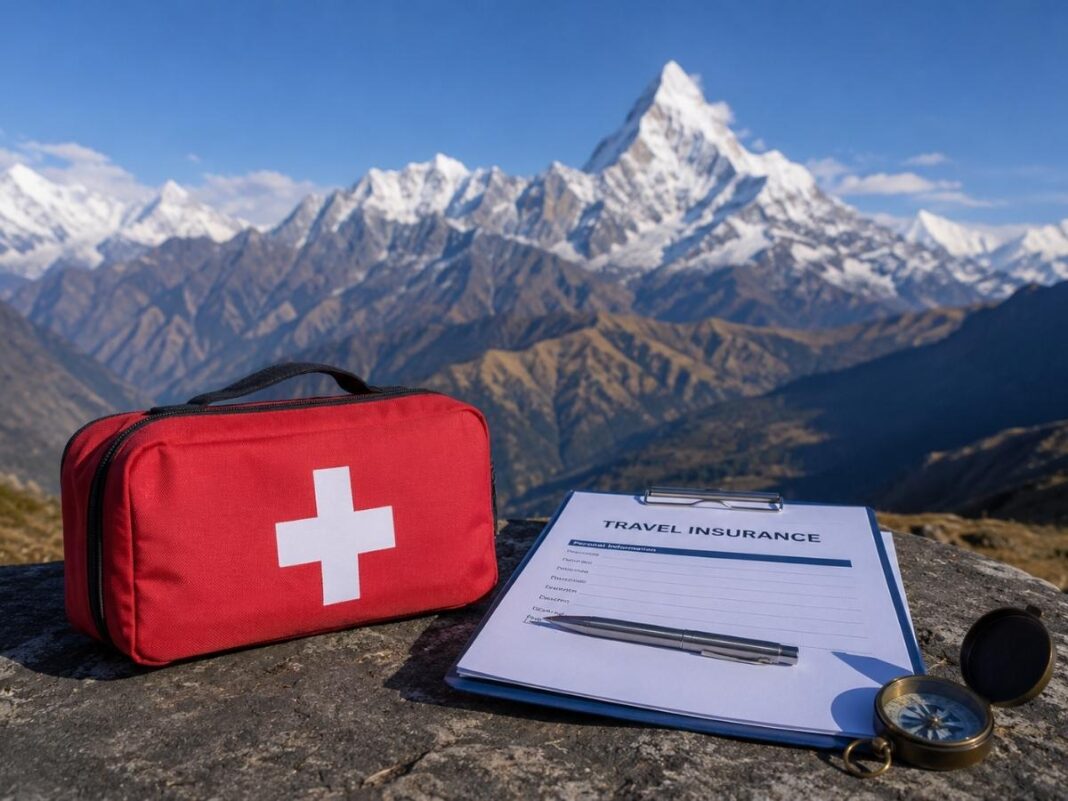

Nepal is not the kind of destination where you simply land, check into a beach resort, and spend a week sipping cocktails by the pool. Even a “normal” trip here often involves winding mountain roads, domestic flights through unpredictable weather, high-altitude trekking routes, remote villages, or adventure activities that push you far beyond standard tourist experiences.
One day you might be wandering through the ancient alleys of Kathmandu, and a few days later you could be hiking beneath the world’s highest peaks, where the nearest hospital is hours, sometimes days away. That is exactly what makes Nepal unforgettable. It is also what makes travel insurance far more important here than in many other countries.
Whether you are planning a short cultural trip, a Himalayan trek, a motorcycle journey through mountain highways, or an adventure-filled itinerary with rafting and paragliding, Nepal comes with unique risks that many travelers underestimate. Altitude sickness can affect even experienced hikers. Domestic flights are frequently delayed due to mountain weather. Trails can become inaccessible after heavy rain or snow. And in serious emergencies, helicopter evacuation may be the only realistic rescue option.
In this guide, you will learn whether you truly need travel insurance for Nepal, what your policy should realistically cover, how trekking and adventure travel change your insurance needs, and the most common mistakes travelers make before arriving in the Himalayas. By the end, you will know exactly what kind of coverage makes sense for your style of travel and what risks are simply not worth taking in Nepal.
Is Travel Insurance Mandatory for Nepal?
One of the most common questions travelers ask before visiting Nepal is simple: “Do I actually need travel insurance?” The answer depends entirely on what kind of trip you are planning.
If you are visiting Kathmandu, Pokhara, Chitwan, or other major tourist areas for a standard holiday, you can technically enter Nepal without insurance. But the moment your trip involves trekking, mountaineering, remote travel, or high-altitude adventure activities, the situation changes dramatically.
Nepal does not treat all travelers the same when it comes to insurance requirements, and understanding those differences can save you from major problems once you arrive. If you are visiting Nepal as a regular tourist, travel insurance is generally not a legal requirement for obtaining a tourist visa or visa-on-arrival. Most travelers entering through Tribhuvan International Airport can complete the visa-on-arrival process without ever being asked about insurance coverage. The situation changes significantly once you start trekking in Nepal.
Even though insurance may not always be checked by immigration officials, many trekking agencies, guides, and tour operators strongly recommend and sometimes require proof of valid travel insurance before allowing you to begin a trek. This is especially true for popular Himalayan routes such as:
- Everest Base Camp
- Annapurna Circuit
- Manaslu Circuit
- Langtang Valley
Why? Because trekking in Nepal carries risks that standard tourism usually does not.
At high altitudes, even healthy and experienced trekkers can develop Acute Mountain Sickness (AMS), High Altitude Pulmonary Edema (HAPE), and High Altitude Cerebral Edema (HACE). In many trekking regions, helicopters are the only realistic emergency evacuation option. And those rescues are extremely expensive.
Recent trekking insurance guides for Nepal estimate helicopter evacuations commonly cost between USD 3,000 and USD 10,000, depending on altitude, weather conditions, and remoteness. That is why helicopter evacuation coverage has become one of the most important parts of Nepal trekking insurance. Similarly, if you are planning serious mountaineering or expedition climbing in Nepal, travel insurance is usually no longer optional; it becomes a core
Why Travel Insurance Matters in Nepal
Travel insurance is important almost everywhere in the world but in Nepal, it becomes far more than a routine travel checkbox. This is a country where your journey can shift from busy city streets to isolated mountain trails within a single day. That contrast is exactly why Nepal presents unique travel risks that many visitors underestimate before arriving. Unlike destinations built around predictable infrastructure and easy emergency access, Nepal’s geography, altitude, weather, and adventure culture create situations where even minor problems can become expensive logistical emergencies.
And when that happens, travel insurance often becomes the difference between manageable inconvenience and financial disaster.
Remote Geography
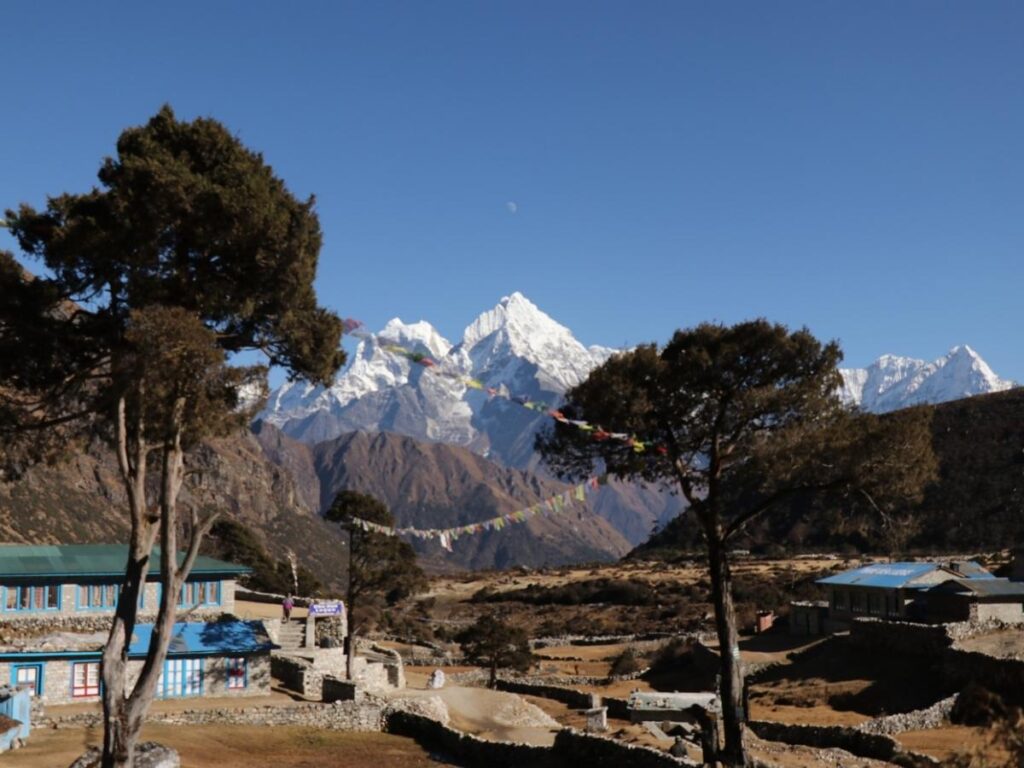
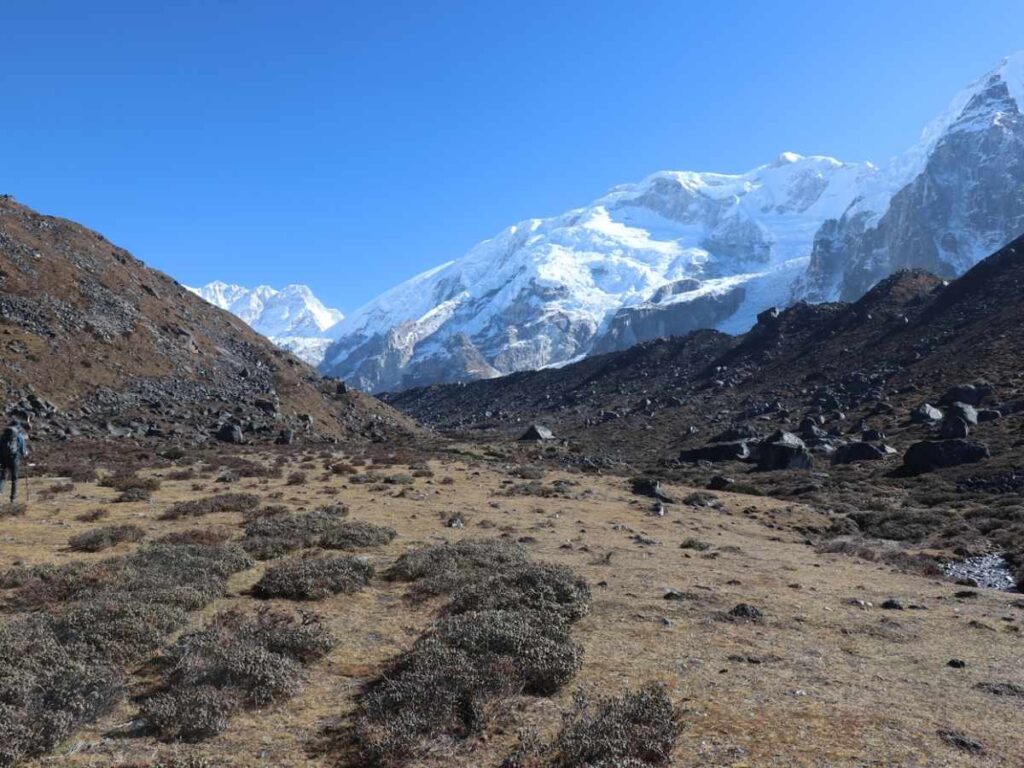
One of the biggest reasons travel insurance matters in Nepal is simple: the country’s terrain is incredibly difficult. Nepal is home to some of the most rugged mountain landscapes on Earth. Many of its most famous trekking regions, including Everest, Annapurna, Langtang, and Manaslu, are located far from highways, major hospitals, and advanced medical facilities. Once you move deeper into the Himalayas, evacuation becomes a serious logistical challenge. This is one of the defining realities of travel in Nepal. Helicopters are not luxury services here; they are often emergency lifelines.
And they are expensive. In remote areas near Everest or other high Himalayan regions, costs can climb even higher. Without insurance, these payments are usually required upfront before evacuation is arranged. That means travelers without proper coverage may face enormous financial pressure during a medical emergency, exactly when quick decisions matter most.
High Altitude Risks
Nepal is one of the few mainstream travel destinations where altitude itself becomes a major medical risk. Many travelers assume altitude sickness only affects inexperienced trekkers or climbers. In reality, it can affect almost anyone, including young, healthy, and physically fit travelers. Once you ascend above 2,500 to 3,000 meters, the oxygen level in the air drops significantly. Your body must gradually adapt to thinner air, and if that acclimatization process fails, altitude illness can develop quickly. The most common conditions are: Acute Mountain Sickness (AMS), High Altitude Pulmonary Edema (HAPE), and High Altitude Cerebral Edema (HACE).
Both HAPE and HACE are medical emergencies that can become fatal without rapid descent and evacuation. What makes Nepal especially risky is how quickly altitude gain can happen. Some trekking itineraries push travelers upward too fast, while domestic flights such as Kathmandu to Lukla can take you directly from low elevation to high-altitude environments within minutes.
And once symptoms become severe, evacuation options are limited.
This is why insurers that cover high-altitude trekking and helicopter rescue are considered essential for serious trekking in Nepal.
Adventure Activities
Nepal is not only a trekking destination, it is also one of the world’s biggest hubs for adventure tourism. Even travelers who never plan a Himalayan expedition often participate in activities that standard travel insurance policies may classify as “high risk.” The problem is that many basic insurance plans exclude these activities entirely unless you purchase additional adventure sports coverage.
This is where travelers often make dangerous assumptions. Buying “travel insurance” does not automatically mean you are insured for the activities you plan to do in Nepal.
And in a country where adventure sports are one of the main reasons people visit, that distinction matters enormously.
Infrastructure Challenges
Nepal’s infrastructure adds another layer of unpredictability to travel. This is especially true outside major urban areas. Domestic flights in Nepal are heavily affected by mountain weather. Routes such as Kathmandu–Lukla are particularly famous for delays and cancellations caused by weather conditions. Travelers sometimes wait days for flights during bad weather conditions. Good travel insurance can help cover some of these disruptions. Similarly, Kathmandu has several reputable private hospitals and international-standard clinics. But outside major cities, medical infrastructure becomes increasingly limited.
In remote trekking regions, clinics may lack advanced equipment, serious surgeries are impossible, oxygen supplies can be limited, and emergency stabilization may only be temporary before evacuation. This means even moderate injuries often require transportation back to Kathmandu for proper treatment. And again, that transportation is rarely cheap.
Theft and Lost Baggage
Not every travel insurance claim in Nepal involves dramatic helicopter rescues in the Himalayas.
Some of the most common travel problems are the same ones travelers face almost everywhere:
- Lost baggage
- Delayed luggage
- Pickpocketing
- Damaged electronics
- Stolen passports
- Missing trekking gear
But in Nepal, those inconveniences can become more complicated due to the nature of travel.
Imagine arriving in Lukla only to discover your trekking duffel bag never left Kathmandu. Or losing your camera gear before starting a two-week trek in the Everest region where replacement equipment is unavailable. Replacing or recovering these items abroad can become extremely costly without insurance support.
This is why comprehensive travel insurance for Nepal should ideally include:
- Baggage protection
- Electronics coverage
- Theft protection
- Trip interruption benefits
Because while the Himalayas are unforgettable, they are also unpredictable and Nepal rewards travelers who prepare for that reality before they arrive.
What Should Nepal Travel Insurance Cover?
Buying travel insurance for Nepal is not just about having any policy it is about having the right policy. This is where many travelers make expensive mistakes.
They buy the cheapest insurance plan they can find, assume they are fully protected, and only discover the exclusions after something goes wrong in the mountains. In Nepal, the fine print matters far more than most people realize. A standard budget travel insurance policy designed for city vacations in Europe or beach trips in Southeast Asia may not cover:
- High-altitude trekking
- Helicopter rescue
- Adventure sports
- Remote evacuation
- Weather-related mountain flight disruptions
That is why Nepal travel insurance should always be chosen based on your actual itinerary, not just price. If your trip includes trekking, mountain regions, domestic flights, or adventure activities, here are the most important things your insurance should realistically cover.
Emergency Medical Coverage
At the core of every good Nepal travel insurance policy is strong emergency medical coverage.
Even if you never plan to trek, medical emergencies can happen anywhere, such as food poisoning, road accidents, respiratory infections, altitude-related illness, or injuries during hiking or sightseeing. Medical treatment in Nepal is generally affordable compared to Western countries, but serious emergencies can still become expensive very quickly, especially at private hospitals in Kathmandu.
Your policy should ideally cover:
- Hospitalization
- Doctor consultations
- Emergency treatment
- Prescription medication
- Diagnostic tests
- Ambulance transportation
- Emergency surgeries
Helicopter Evacuation
If there is one feature you should never ignore when buying Nepal travel insurance, it is helicopter evacuation coverage. This is arguably the single most important insurance feature for trekkers in Nepal. Why? Because many trekking routes in the Himalayas are inaccessible by road. If you suffer:
- Severe altitude sickness
- A serious fall
- A cardiac emergency
- Breathing complications
- Fractures
- Head injuries
During such circumstances, a helicopter may be the only realistic rescue option. And helicopter evacuations in Nepal are notoriously expensive. Costs can range from approximately USD 3,000 to well over USD 10,000. What surprises many travelers is that standard insurance policies sometimes exclude helicopter rescue entirely. That’s why it is important to include this coverage, especially for your high-altitude endeavours.
High-Altitude Trekking Coverage
One of the biggest insurance traps in Nepal involves altitude limits. Many travelers assume that if their policy covers “hiking” or “trekking,” they are automatically insured throughout the Himalayas. That is often not true. Most insurance providers define altitude restrictions very clearly. Some policies only cover trekking:
- Below 2,500 meters
- Below 3,000 meters
- Below 4,000 meters
But many of Nepal’s most famous trekking routes go far beyond those elevations. If your insurance policy excludes trekking above a certain altitude, claims related to injuries or evacuations at higher elevations may be denied completely. This is one of the most common mistakes travelers make before visiting Nepal. When choosing a policy, you should always verify: maximum covered altitude, whether trekking is classified as an adventure activity, whether climbing or technical mountaineering is excluded and whether helicopter rescue applies above your trekking altitude.
Note: Expedition climbers often need specialized mountaineering insurance with even higher altitude protection.
Trip Cancellation and Interruptions
Nepal is beautiful, but it is not always predictable. Mountain weather, infrastructure limitations, and transportation disruptions can seriously affect travel plans, especially during trekking season. Good travel insurance should ideally cover:
- Trip cancellation
- Trip interruption
- Delayed travel expenses
- Emergency accommodation
- Missed connections
This becomes particularly important in Nepal because of domestic flight cancellations, landslides, road blockages, political strikes, and severe weather disruptions. Without insurance, those delays can lead to:
- Additional hotel costs
- Rebooking international flights
- Unexpected transportation expenses
- Lost trekking permits or bookings
Trip interruption coverage can also become important if illness forces you to leave a trek early, weather prevents route completion, or a family emergency requires returning home unexpectedly. Nepal rewards flexibility, and good insurance helps reduce the financial impact when plans suddenly change.
Adventure Sports Coverage
Nepal is one of the adventure capitals of Asia. Even travelers who never plan technical mountaineering often participate in activities that insurers classify as “high risk.” And this is where many standard policies quietly stop protecting you. Adventure activity coverage is extremely important if your trip includes:
- Trekking
- Climbing
- White-water rafting
- Paragliding
- Mountain biking
- Ziplining
- Bungee jumping
- Canyon swinging
Some insurance plans require special adventure sports add-ons for these activities.
Others exclude them completely. Even trekking itself may be excluded unless specifically declared. Before buying a policy, always check which activities are covered, whether altitude limits apply, whether guides are required, and whether professional or recreational participation matters. In Nepal, “adventure travel” is not niche tourism; it is mainstream tourism. Your insurance policy should reflect that reality.
Lost or Delayed Baggage
While dramatic mountain rescues get the most attention, some of the most common travel insurance claims in Nepal involve baggage and electronics. And these problems can become surprisingly disruptive in a trekking destination. Imagine arriving in Lukla only to discover your trekking duffel bag stayed in Kathmandu, or your camera equipment was damaged during transit
Replacing gear in remote mountain regions is often difficult and expensive. This matters because many travelers visiting Nepal carry high-value equipment such as:
- Trekking gear
- Down jackets
- Cameras
- Lenses
- Laptops
- Drones
- GPS devices
- Satellite communicators
Good travel insurance should ideally include coverage for lost baggage, delayed baggage reimbursement, theft protection, and electronics coverage. Some may also require proof of purchase for claims. This is why experienced travelers often photograph their gear before traveling, keep digital receipts, and store valuables in carry-on luggage whenever possible
While Nepal offers some of the world’s most spectacular journeys, it also demands better preparation than the average vacation destination.
How Much Does Nepal Travel Insurance Cost?
One of the biggest misconceptions travelers have before visiting Nepal is that comprehensive travel insurance will be extremely expensive. In reality, good Nepal travel insurance is usually far cheaper than the emergencies it is designed to protect you from. That matters because Nepal is one of those destinations where a single unexpected incident can instantly cost more than your entire trip budget. A helicopter evacuation from the Everest region alone can easily range from USD 3,000 to USD 10,000 depending on altitude and location.
When you compare that to the cost of a proper insurance policy, the value becomes much easier to understand. But insurance pricing for Nepal is not fixed. Two travelers doing similar trips can receive dramatically different quotes depending on their age, trekking plans, altitude, and coverage limits. Understanding what affects the cost helps you avoid both overpaying and underinsuring yourself.
Factors That Affect Insurance Price
Travel insurance for Nepal is calculated based on risk. Nepal involves several risk factors that insurers pay close attention to.
- Age: Age is one of the biggest pricing factors for travel insurance anywhere in the world, including Nepal. Older travelers generally pay higher premiums because insurers consider them statistically more likely to require medical treatment, emergency evacuation, hospitalization, or trip interruption support. This becomes even more important for high-altitude trekking.
- Trip Duration: The longer you stay in Nepal, the more expensive your insurance generally becomes. A short 7–10 day sightseeing trip around Kathmandu and Pokhara may require relatively inexpensive coverage. For example, a two-week Everest Base Camp Trek may cost far less than a two-month multi-region Himalayan itinerary. Some insurers also impose maximum trip duration limits, especially on adventure activity coverage.
- Activities Planned: What you plan to do in Nepal dramatically changes your insurance cost. A traveler visiting for general tourism will usually pay far less than someone planning trekking, mountaineering, paragliding, white-water rafting, or motorcycle touring. This is because adventure activities significantly increase rescue and medical risks. For insurers, trekking at 5,000 meters in Nepal is completely different from ordinary sightseeing tourism. In fact, some standard insurance plans may not cover these activities at all unless you purchase specialized upgrades. This is why the cheapest policy is often only cheap because it excludes the very activities that most travelers visit Nepal to experience.
- Coverage Amount: The amount of protection you choose also affects your premium. Policies with higher medical limits, larger evacuation coverage, better trip cancellation benefits, electronics protection, or adventure activity inclusion naturally cost more. But this is where many travelers misunderstand insurance value. The most important question is not: “What is the cheapest policy?” It is: “Will this policy realistically protect me in Nepal?” A cheaper policy with minimal evacuation coverage may save money initially, but become nearly useless during a serious mountain emergency.
- Home Country: Your nationality and country of residence also influence pricing. Insurance companies calculate risk differently depending on healthcare systems, currency value, claim history, rescue agreements, and regional regulations. For example, U.S. travelers often pay higher premiums than European travelers. Some insurers may also exclude Nepal specifically, the Himalayan regions, or expedition climbing zones. This is why travelers should always confirm Nepal is explicitly included within the policy’s geographical coverage area.
Is Nepal Travel Insurance Worth the Cost?
For most travelers visiting Nepal, especially trekkers, the answer is yes. Not because insurance is legally required, but because Nepal’s geography can turn ordinary travel problems into very expensive emergencies. Consider the numbers. A solid trekking insurance policy might cost:
- USD 80–150 for a two-week trek
But a helicopter evacuation from the Everest region can cost:
- USD 3,000–10,000+ depending on altitude and location
And evacuation is only one part of the expense. Additional costs may include hospital treatment in Kathmandu, emergency accommodation, rebooked international flights, delayed trekking logistics, or lost gear replacement. Even relatively minor incidents can become expensive in Nepal. And these are not rare scenarios in Nepal; they are common enough that experienced trekkers actively plan for them before arriving.
The reality is simple: travel insurance in Nepal is less about preparing for worst-case disasters and more about recognizing how quickly small problems can escalate in the Himalayas. When you are surrounded by some of the highest mountains on Earth, preparation is not pessimism; it is part of traveling responsibly.