

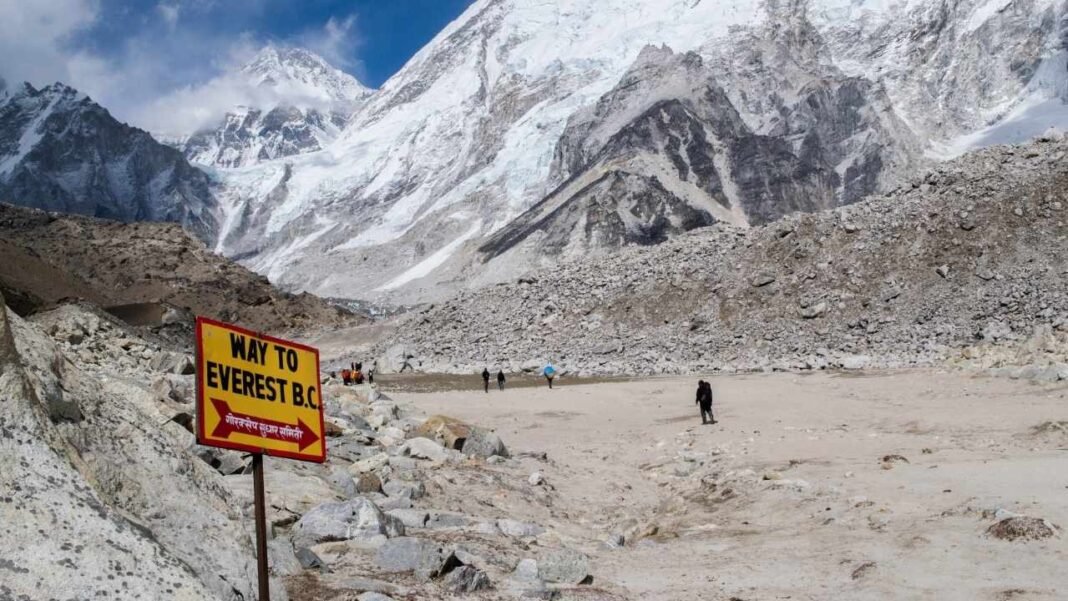

The Everest Base Camp trek is often described as a “non-technical” Himalayan adventure. That description is technically true; you do not need ropes, mountaineering skills, or climbing experience to reach base camp. But many first-time trekkers misunderstand what that actually means. Non-technical does not mean easy. The trek to Everest Base Camp is physically demanding in a very different way than most travelers expect. You are not dealing with one difficult summit push or a single exhausting day. Instead, the challenge comes from walking for long hours across consecutive days while gradually gaining altitude in one of the harshest mountain environments on earth.
Even fit hikers are often surprised by how draining the combination of elevation, cold temperatures, thin air, and continuous uphill trekking can become after a week on the trail.
One of the biggest misconceptions about the Everest Base Camp trek is the idea that it is “just a hike.” On paper, the daily distances may not look extreme. In reality, trekking above 3,000 meters feels completely different from hiking at lower elevations. As you climb higher into the Khumbu region, oxygen levels decrease significantly, recovery becomes slower, sleep quality may worsen, and even simple uphill sections can leave trekkers breathless. This is why altitude matters far more than most people realize.
Many strong gym-goers, runners, and active travelers assume general fitness alone will carry them through the trek. While good fitness absolutely helps, Everest Base Camp is more about endurance, pacing, recovery, and adaptation than raw athletic performance. You do not need to be an elite athlete to complete the trek successfully, but you do need to prepare your body for sustained effort over multiple days at high altitude. Proper training dramatically improves the entire experience. Trekkers who prepare well usually enjoy the journey more, recover faster each evening, handle altitude stress better, and reduce their chances of injury or early exhaustion.
In this guide, we will break down exactly how to train for the Everest Base Camp trek, even if you are a beginner. We will cover the physical demands of the route, the type of fitness you actually need, the duration of the training, and practical ways to prepare both mentally and physically for the journey ahead.
How to Train for Everest Base Camp Trek- Understanding the Physical Demands
The trek to Everest Base Camp is not a single difficult climb it is a long, sustained physical effort repeated day after day at increasingly high elevations. That is what catches most people off guard. On paper, the Everest Base Camp trek may not seem extreme compared to other endurance adventures. The total distance is manageable, there are tea houses along the route, and no technical climbing is required. But once you combine steep Himalayan terrain, continuous elevation gain, cold weather, and thinning oxygen levels, the trek becomes far more demanding than the numbers alone suggest.
Trek Overview
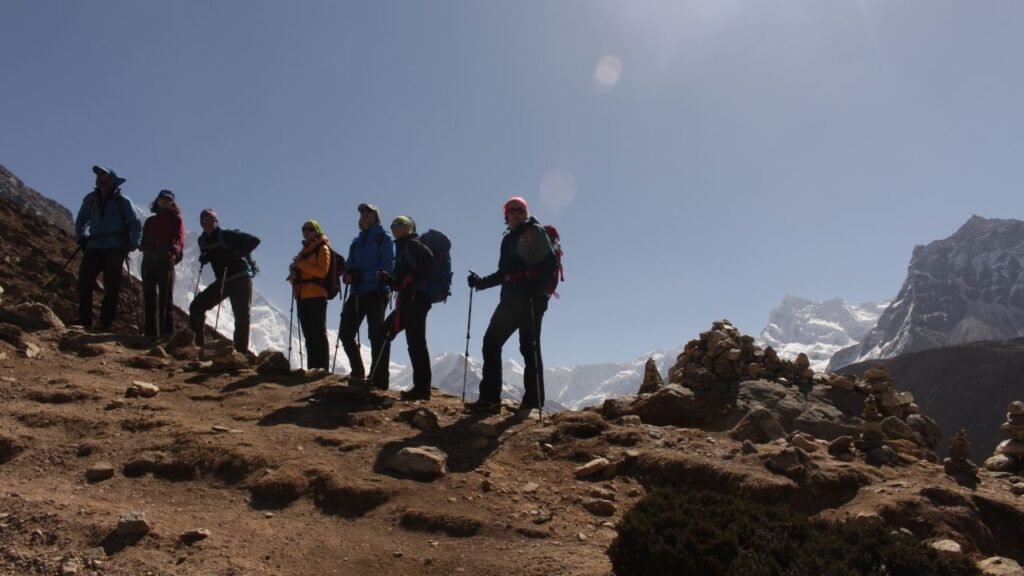
The classic Everest Base Camp route covers approximately 130 kilometers (80 miles) round trip from Lukla to base camp and back. Most standard itineraries take around 12 to 14 trekking days, including important acclimatization days in places like Namche Bazaar and Dingboche.
Most trekkers spend:
- 5 to 7 hours hiking per day
- 10 to 15 kilometers walking daily
- Around 300 to 800 meters of elevation gain on ascent days
While some days are shorter for acclimatization, others can feel surprisingly exhausting due to altitude and terrain. A 10-kilometer day in the Himalayas can feel far harder than a much longer hike at sea level. The trek begins in Lukla at roughly 2,860 meters and gradually climbs to Everest Base Camp at 5,364 meters, with many trekkers also hiking up Kala Patthar at 5,545 meters for panoramic Everest views.
Terrain You Will Face
One reason the Everest Base Camp trek feels physically draining is the constant variation in terrain. The trail is rarely flat for long. Throughout the trek, you will encounter:
- Endless stone staircases
- Steep uphill climbs
- Long downhill descents
- Uneven rocky trails
- Glacier moraine sections
- Narrow mountain paths
- Suspension bridges over deep river valleys
The famous climb into Namche Bazaar is often the first major reality check for trekkers. After crossing several suspension bridges, the trail climbs steeply for hours with significant elevation gain. Higher up the route, sections near Lobuche and Gorak Shep become rougher, rockier, and more physically taxing due to thinner air and glacial terrain. Unlike smooth hiking trails found in many lower-altitude destinations, EBC terrain constantly forces your body to stabilize, balance, and absorb impact. Your legs are working almost continuously.
The Real Difficulty: Altitude
The single biggest challenge of the Everest Base Camp trek is altitude. As you ascend higher into the Khumbu region, oxygen availability drops significantly. By the time trekkers reach Everest Base Camp, oxygen levels are roughly around 50% compared to sea level conditions. This changes everything. At altitude:
- Your breathing becomes heavier
- Your heart works harder
- Recovery slows down
- Sleep quality often decreases
- Muscles fatigue more quickly
- Simple uphill sections feel surprisingly difficult
This is why even highly fit people can struggle on the trek. Marathon runners, gym athletes, and experienced hikers are often shocked by how exhausting basic walking can feel above 4,000 meters. Fitness helps, but it does not eliminate the effects of altitude. The physical stress also accumulates gradually. The first few days may feel relatively easy, but fatigue typically builds as the trek progresses. This cumulative fatigue is one of the defining characteristics of the Everest Base Camp trek. Your body is not simply hiking; it is continuously adapting to a progressively harsher environment.
How Fit Do You Need to Be for Everest Base Camp?
One of the most common questions people ask before trekking to Everest Base Camp is whether they are “fit enough.” The good news is that you do not need to be an elite athlete, marathon runner, or experienced mountaineer to complete the trek successfully. But you do need to be realistically prepared. The Everest Base Camp trek rewards endurance, consistency, recovery ability, and mental resilience far more than pure athletic performance.
Every year, thousands of ordinary travelers, including first-time trekkers, office workers, and people with no previous high-altitude experience, successfully reach base camp through proper preparation and pacing.

Can Beginners Do EBC?
Yes, beginners can absolutely complete the Everest Base Camp trek with the right preparation.
This surprises many people because Everest carries such an intimidating reputation. But the EBC trek is not a technical climb. You do not need ropes, crampons, ice axes, or mountaineering skills. The real challenge is the combination of altitude, long trekking days, and physical consistency over nearly two weeks. A beginner who trains consistently for several months often performs better than someone who is naturally athletic but underprepared. That is because trekking fitness is very different from gym fitness.
Someone with moderate overall fitness but strong hiking endurance and good pacing habits may handle the trek much more comfortably. The Everest Base Camp trek is less about explosive power and more about keeping your body moving efficiently for hours at a time while gradually adapting to thinner air.
Athletic Fitness vs Trekking Fitness
This is where many trekkers misjudge the challenge. Being “fit” in everyday life does not automatically translate into being trekking-ready for the Himalayas. Athletic fitness usually focuses on:
- Speed
- Strength
- Short-duration intensity
- Gym performance
- Competitive conditioning
As for trekking fitness, the focus is usually on:
- Long-duration endurance
- Aerobic efficiency
- Joint durability
- Recovery capacity
- Energy management
- Consistent movement under fatigue
Everest Base Camp is essentially a multi-day endurance event at altitude. The trekkers who do best are usually not the fastest; they are the ones who pace themselves properly, recover well, and stay physically consistent throughout the journey.
Ideal Fitness Profile for EBC
The ideal Everest Base Camp trekker is not necessarily the strongest or fastest person — it is someone with balanced trekking-specific fitness.
- Strong Cardiovascular Endurance: Your body needs efficient oxygen use for long uphill days in thin mountain air. Aerobic endurance is arguably the single most important physical quality for EBC preparation.
- Leg Strength: Strong quads, calves, glutes, and hamstrings help absorb the constant uphill and downhill stress of Himalayan terrain.
- Good Recovery Capacity: You need to recover overnight repeatedly during the trek. Sleep, hydration, nutrition, and aerobic conditioning all play major roles here.
- Mental Resilience: This is often underestimated. Cold mornings, altitude fatigue, basic tea house conditions, unpredictable weather, and physically demanding days can wear people down mentally as much as physically. Many experienced trekkers describe EBC as a mental endurance challenge just as much as a physical one.
In reality, most reasonably healthy people can train themselves to complete Everest Base Camp successfully. The key is giving yourself enough preparation time and focusing on the type of fitness that actually matters on the trail.
When Should You Start Training for Everest Base Camp?
One of the biggest mistakes people make before trekking to Everest Base Camp is underestimating how long proper preparation actually takes. The Everest Base Camp trek is not something you should prepare for in just a few intense gym sessions before departure. Your body needs time to gradually build endurance, strengthen joints and muscles, improve recovery capacity, and adapt to long-duration physical effort. The earlier you start training, the more comfortable and enjoyable the trek usually becomes.
The good news is that you do not need professional-level fitness. What matters most is consistency over time. The ideal training timeline depends on your current fitness level, hiking experience, age, and lifestyle. Someone who already hikes regularly may only need a focused conditioning period, while beginners starting from a sedentary routine may benefit from several months of gradual preparation. For most people, starting training 3–6 months before the trek is ideal. This gives your body enough time to build real trekking fitness safely and progressively without rushing.
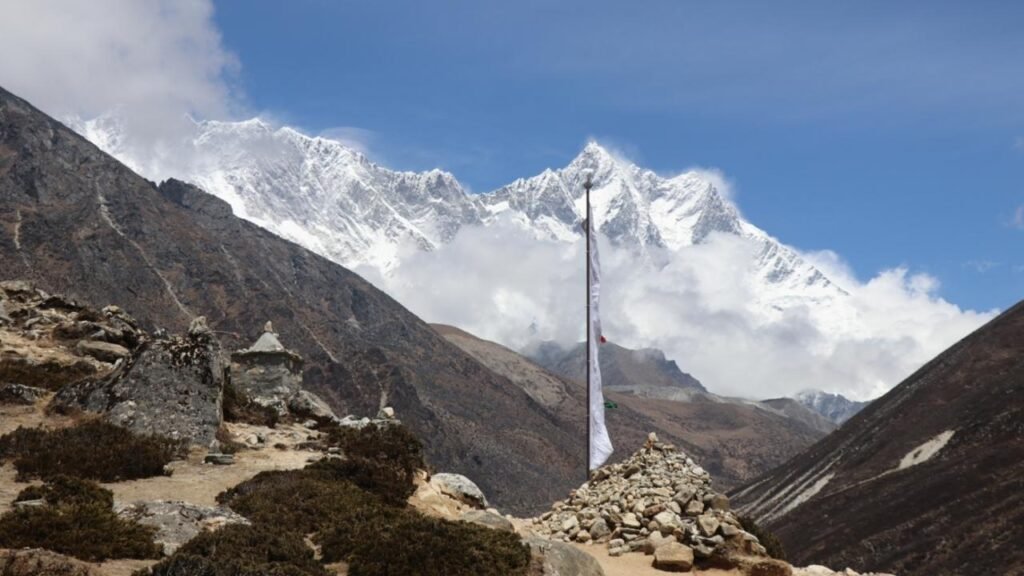
Most experienced trekking companies and mountain guides recommend several months of preparation because endurance adaptations take time. Aerobic conditioning, joint strengthening, and muscular endurance cannot be built overnight. This longer preparation period also allows you to increase training volume gradually, rather than pushing too hard too quickly, one of the main causes of pre-trek injuries. If you already have a decent fitness base, 8–12 weeks can still be enough time to prepare effectively for Everest Base Camp.
The goal is no longer general fitness; it is preparing your body for the specific demands of multi-day Himalayan trekking. However, shorter timelines leave less room for gradual progression. You need to train consistently while carefully balancing workload and recovery. The most effective Everest Base Camp training plans follow one key principle: progressive overload.
In simple terms, this means gradually increasing the demands placed on your body over time instead of jumping into difficult workouts immediately.
Training for Altitude: What You Can and Cannot Prepare For
Altitude is the single biggest factor that separates the Everest Base Camp trek from ordinary hiking. You can arrive in Nepal with excellent fitness, strong legs, and months of preparation and still feel completely humbled once you start trekking above 4,000 meters. That is because altitude affects every person differently, regardless of age, fitness level, or trekking experience. This is one of the most important things every EBC trekker needs to understand: you can improve your ability to handle the physical demands of high altitude, but you cannot fully “train away” altitude itself.
Can You Train for High Altitude at Home?
Only partially. Unless you live at an elevation or have access to specialized altitude training systems, you cannot fully replicate true Himalayan altitude conditions at home. Your body ultimately needs real exposure to thinner air in order to acclimatize properly. That said, proper training still makes a huge difference. Good preparation helps your body:
- Use oxygen more efficiently
- Recover faster between efforts
- Maintain steady pacing
- Handle prolonged fatigue better
- Reduce overall physical stress during the trek
The fitter and more aerobically efficient you are, the less energy your body wastes during trekking. This can indirectly make altitude feel more manageable, even though it does not make you immune to altitude sickness.
Helpful Strategies for Altitude Preparation
While you cannot perfectly simulate Everest conditions at sea level, there are several highly effective ways to prepare your body for trekking at altitude.
- Aerobic Fitness: A strong aerobic base is one of the best advantages you can bring to Everest Base Camp. At altitude, your body works harder to deliver oxygen to muscles. Trekkers with better cardiovascular conditioning generally maintain steadier breathing, recover more efficiently, handle uphill effort better, and accumulate fatigue more slowly. This is why endurance-focused training is so important for EBC preparation.
- Breathing Efficiency: You cannot dramatically increase your lung size through training, but you can improve breathing efficiency and pacing habits. Experienced trekkers learn how to control breathing rhythm, avoid overexertion, maintain sustainable effort, and recover breathing quickly after climbs. At high altitude, slow and controlled movement is often far more effective than pushing hard.
- Slow Pacing Habits: One of the most underrated altitude skills is pacing discipline. Many altitude problems happen because trekkers walk too fast early on, try to keep up with stronger hikers, ignore fatigue signals, and gain elevation too aggressively. The strongest EBC trekkers are often the slowest walkers. At altitude, conserving energy matters more than speed.
Altitude Myths
There are many misconceptions about altitude and trekking fitness:
- Fitness Does Not Prevent Altitude Sickness: This is probably the most important altitude fact to understand. Being fit does not protect you from Acute Mountain Sickness (AMS). Research and trekking experience consistently show that elite athletes can get AMS, marathon runners can struggle badly, experienced hikers are not immune, and gym fitness alone is not enough. Altitude sickness is primarily related to how your body adapts to reduced oxygen availability, not how strong or athletic you are. In fact, very fit trekkers sometimes get into trouble because they ascend too quickly or underestimate the effects of altitude.
- Young and Fit Trekkers Can Still Get AMS: Another common myth is that altitude sickness mainly affects older or unfit travelers. In reality, young trekkers can develop AMS, strong hikers can develop AMS, or experienced trekkers can develop AMS. There is no guaranteed “safe” fitness category. Some people naturally acclimatize well. Others struggle despite excellent preparation. This unpredictability is exactly why acclimatization days and slow ascent schedules are so important.
The Importance of Acclimatization Days
Acclimatization is the single most important altitude strategy on the Everest Base Camp trek.
Your body needs time to gradually adapt to lower oxygen pressure. Proper acclimatization allows physiological changes to occur, including:
- Increased breathing rate
- Improved oxygen delivery
- Better red blood cell production
- More efficient oxygen usage
This process cannot be rushed safely. That is why standard Everest Base Camp itineraries include acclimatization days at places like Namche Bazaar and Dingboche. These rest days are not “days off” in the traditional sense. Trekkers still hike higher during the day before returning to sleep lower, a highly effective acclimatization method often called “climb high, sleep low.” Skipping acclimatization days to save time is one of the biggest mistakes trekkers make on the EBC route.
In the Himalayas, altitude is not something you conquer through toughness. It is something your body adapts to gradually, if you give it enough time.