
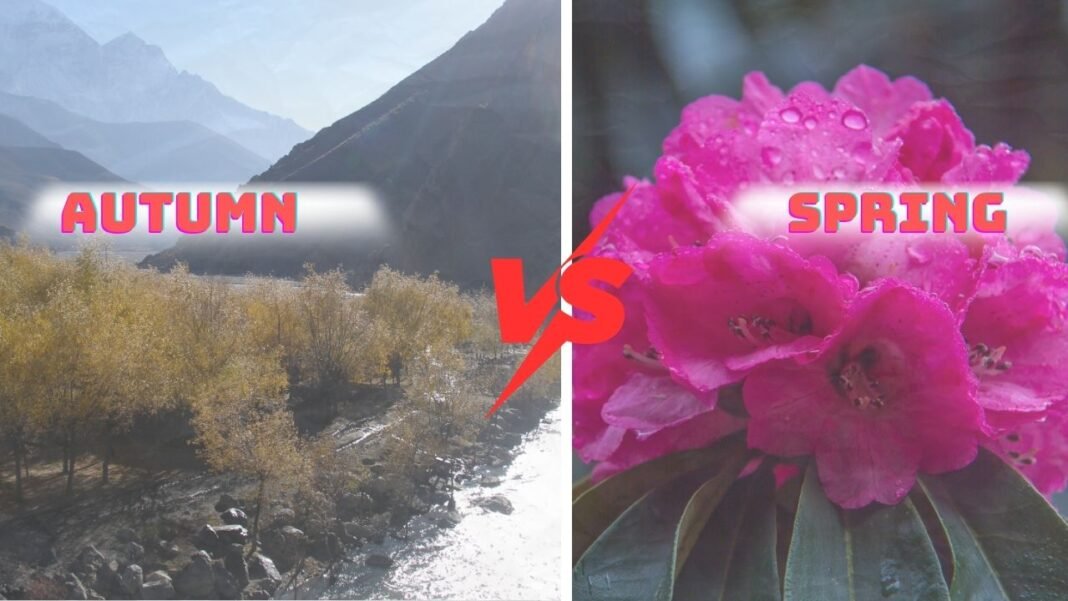

The timing of your trip can completely change the way you experience Nepal. In one season, trekking trails are covered in blooming rhododendron forests with warm afternoon temperatures and colorful hills stretching beneath the Himalayas. In another, the skies turn crystal clear after the monsoon, revealing sharp mountain views that feel almost unreal in the morning light. That’s why most travelers planning a trip to Nepal eventually face the same question: should you visit in spring or autumn?
These two seasons dominate tourism in Nepal because they offer the most reliable conditions for trekking, mountain views, and outdoor travel. While Nepal can technically be visited year-round, spring and autumn are when the country is at its absolute best. Spring in Nepal usually runs from March to May and brings warmer temperatures across much of the country. As winter disappears, forests and hills begin turning green again, especially in trekking regions around Annapurna Base Camp and central Nepal. Rhododendron forests burst into bloom, adding bright reds, pinks, and whites to the mountain landscapes.
It’s also the busiest climbing season in the Himalayas. Expeditions attempting Mount Everest and other major peaks arrive during spring because conditions at high altitude are generally more favorable before the summer monsoon arrives. Autumn, which typically lasts from September to November, offers a completely different atmosphere. After months of monsoon rain, the skies clear dramatically, leaving behind crisp air, dry conditions, and some of the best mountain visibility of the entire year. This is the season many trekkers dream about when they imagine Nepal’s deep blue skies, snow-covered peaks, and stable weather stretching across the Himalayas.
The monsoon season between June and August is far less predictable, with heavy rainfall, cloudy skies, muddy trails, and frequent flight delays in mountain regions. Winter, from December to February, can still be beautiful, but freezing temperatures and snow make many high-altitude treks more challenging. That’s ultimately why spring and autumn remain Nepal’s most popular travel seasons. The weather is more stable, the trekking conditions are safer, the temperatures are far more comfortable, and the mountain views are usually at their best.
Weather Comparison: Spring vs Autumn
Weather is probably the single biggest factor that shapes your experience in Nepal. The mountain views, trekking conditions, trail comfort, photography opportunities, and even flight reliability can change dramatically depending on whether you visit during spring or autumn. While both seasons are considered ideal for travel, they create very different atmospheres across the Himalayas.
Spring feels warmer, greener, and more vibrant. Autumn feels clearer, drier, and far more dramatic. And for many travelers, the decision between the two ultimately comes down to one simple question: do you value colorful landscapes and warmer temperatures more, or crystal-clear mountain views and ultra-stable weather conditions?
Spring Weather in Nepal
Spring in Nepal feels alive. After months of winter cold, temperatures across the country slowly begin warming from March onward. Lower regions like Pokhara and the Kathmandu Valley become pleasantly mild during the day, while trekking routes at moderate elevations feel comfortable without the intense cold that often arrives later in the year. One of the defining characteristics of spring is how dynamic the landscapes become.
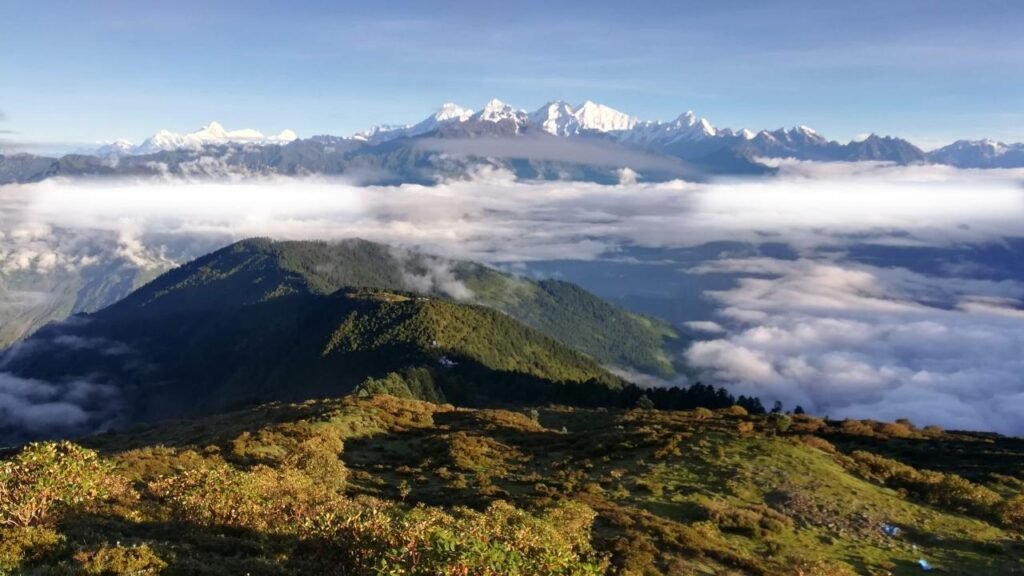
Forests begin turning green again, rhododendron blooms spread across Himalayan hillsides, and the entire country feels more vibrant compared to the dry months before it. The weather during spring is generally stable, especially in March and early April, but conditions become less predictable as the season progresses. By late April and May, hazy afternoons become increasingly common, particularly in lower elevations. Mornings often begin with clear mountain views, but clouds and atmospheric haze can slowly build later in the day.
Pre-monsoon rain showers also start appearing toward the end of spring. These are usually short rather than constant, but they can occasionally disrupt visibility in the afternoons.
Still, many travelers love spring because the slightly warmer temperatures make trekking feel more comfortable overall. Nights are usually milder compared to autumn, especially at moderate altitude.
Spring Temperatures:
Lower Altitude
Daytime: 20°C to 30°C
Nighttime:10°C to 18°C
Mid-Altitude
Daytime: 10°C to 20°C
Nighttime: 0°C to 8°C
High-Altitude
Daytime: -2°C to 10°C
Nighttime: -10°C to -2°C
Best For:
- Comfortable trekking conditions
- Nature lovers and landscape photographers
- Travelers who prefer warmer temperatures
- Mountaineering expeditions in the Himalayas
- Rhododendron season trekking
Autumn Weather in Nepal
Autumn brings the clearest weather conditions of the entire year. Once the summer monsoon disappears around September, the atmosphere across Nepal changes dramatically. Rain washes dust and pollution out of the air, leaving behind crisp skies, dry conditions, and exceptional Himalayan visibility. This is the season many travelers picture before arriving in Nepal sharp mountain peaks, deep blue skies, and incredibly clear mornings stretching across regions near Everest Base Camp and the Annapurna range.
Autumn weather is also far more consistent overall. Rainfall becomes rare, humidity drops significantly, and trekking conditions stabilize across most of the country. Trails are drier, flights in mountain regions tend to face fewer weather disruptions, and visibility remains strong throughout the day.
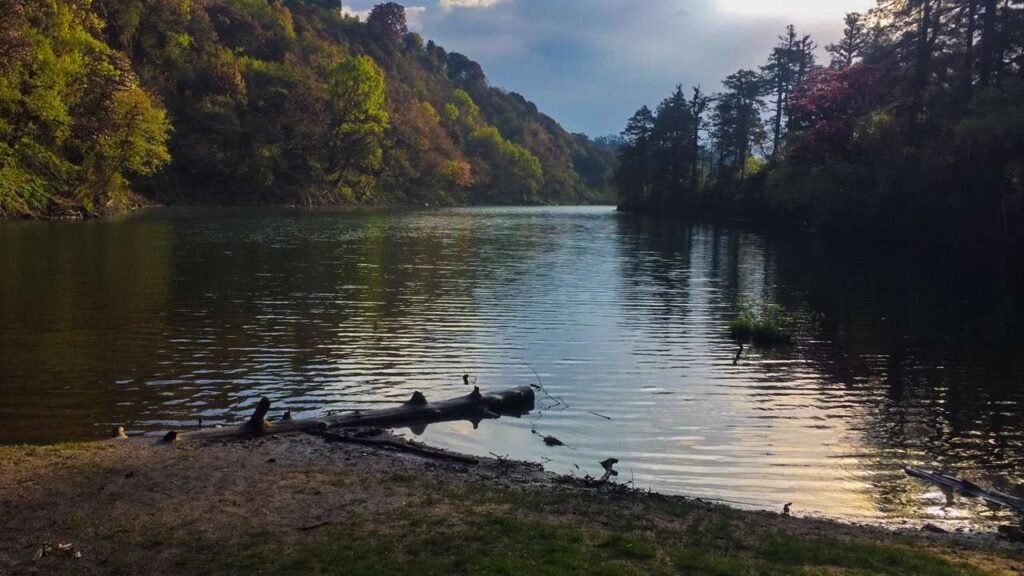
The tradeoff is temperature. Mornings and evenings during October and November can feel noticeably colder than spring, especially at higher elevations. But for many trekkers, the stability and clarity of autumn weather easily outweigh the cooler conditions. This reliability is a major reason autumn has become Nepal’s peak trekking season.
Autumn Temperatures
Lower Altitude
Daytime: 18°C to 28°C
Nighttime: 8°C to 15°C
Mid-Altitude
Daytime: 8°C to 18°C
Nighttime: -2°C to 5°C
High-Altitude
Daytime: -5°C to 8°C
Nighttime: -15°C to -5°C
Best For:
- First-time visitors to Nepal
- Mountain photography
- Long-distance trekking
- Travelers prioritizing clear views
- Stable trekking and flight conditions
| Factor | Spring | Autumn |
| Temperature | Warmer | Cooler |
| Visibility | Good but occasionally hazy | Excellent |
| Rain Chances | Moderate in late season | Low |
| Stability | Moderately stable | Very stable |
| Humidity | Higher | Lower |
Trekking Conditions in Each Season
For most travelers visiting Nepal, trekking is the main reason the spring versus autumn debate matters so much. Both seasons offer excellent conditions compared to winter or monsoon, but the actual trekking experience can feel surprisingly different once you’re on the trail. The weather, scenery, crowd levels, trail conditions, and even the atmosphere inside tea houses change depending on when you go.
Spring Trekking Experience
Trekking in spring feels energetic and alive. As temperatures rise across the Himalayas, trails begin filling with greenery, blooming forests, and climbers preparing for major expeditions. In many regions, especially around the Annapurna area, rhododendron forests turn entire hillsides red and pink during peak bloom season. On some trails, the scenery almost feels unreal compared to the dry landscapes seen later in the year.
One of spring’s biggest advantages is temperature. Higher-altitude trekking routes are generally warmer than autumn, especially during mornings and nights. This can make long trekking days feel more comfortable for travelers who struggle with extreme cold. Spring also brings longer daylight hours, which gives trekkers more flexibility during hiking days. You’re less likely to feel rushed between villages, and afternoon temperatures usually remain manageable at higher elevations. But spring does come with tradeoffs.
As the season progresses toward May, lower elevations can become surprisingly hot and humid, particularly on lower sections of trekking routes. Afternoon haze also becomes more common, sometimes softening mountain views later in the day even when mornings start clear.
Spring is also mountaineering season in the Everest region. Areas near Everest Base Camp can feel especially busy with climbing teams, guides, and expedition traffic preparing for summit attempts.
Spring Pros:
- Blooming rhododendron forests
- Warmer temperatures at altitude
- Longer daylight hours
- Vibrant landscapes and greenery
Spring Cons:
- Busier climbing regions
- Haze later in the season
- Increasing heat at lower elevations
Autumn Trekking Experience
Autumn is often considered the classic trekking season in Nepal.
After the monsoon ends, trails dry out quickly, the skies become remarkably clear, and weather patterns stabilize across most trekking regions. For many travelers, this is the version of Nepal they imagine before arriving crisp mornings, snow-covered peaks, and panoramic Himalayan views visible for days.
Trail conditions during autumn are usually excellent. Dry paths reduce the risk of slippery sections, and stable weather means fewer disruptions from rain or clouds. Visibility is also at its absolute best, which makes a huge difference on iconic routes where mountain scenery is the main highlight. Because of this reliability, autumn is generally considered the best season for first-time trekkers in Nepal.
Conditions are more predictable, navigation is easier, and the chances of experiencing clear mountain views are significantly higher. The downside is popularity. Autumn is Nepal’s busiest trekking season, especially during October. Popular tea houses can fill quickly, domestic flights become harder to book, and major routes sometimes feel crowded compared to spring. Temperatures are also colder at higher elevations, particularly during mornings and nights in late autumn.
Autumn Pros:
- Dry and reliable trails
- Exceptional mountain visibility
- Stable weather conditions
- Ideal for beginner trekkers
Autumn Cons:
- Peak-season crowds
- Higher demand for accommodation
- Colder nights at altitude
Which Season Is Better for Popular Treks?
For Everest Base Camp, autumn is usually preferred for clearer views and more stable conditions, while spring offers a livelier atmosphere because of climbing expeditions and slightly warmer temperatures. On the Annapurna Circuit, spring stands out for its colorful forests and comfortable weather, especially in lower regions. Autumn, however, delivers sharper mountain scenery and more reliable visibility throughout the trek.
The Langtang Valley works beautifully in both seasons. Spring brings greener hillsides and blooming landscapes, while autumn provides cleaner skies and more dramatic Himalayan views. In simple terms, spring is often better for travelers who prioritize atmosphere, flowers, and slightly warmer trekking conditions. Autumn is usually better for those who want the clearest mountain views and the most stable overall trekking experience.
Festivals and Cultural Experiences
The difference between spring and autumn in Nepal isn’t just about weather or trekking conditions. The cultural atmosphere changes too. Nepal is deeply shaped by religion, tradition, and seasonal festivals, and depending on when you visit, the country can feel either energetic and celebratory or calm and locally immersive.
Spring brings a more relaxed cultural atmosphere overall. One of the biggest celebrations during this period is Holi, the famous festival of colors celebrated across Nepal and much of South Asia. Streets in cities like Kathmandu and Pokhara fill with music, colored powder, water fights, and huge crowds of locals celebrating together. For travelers, it’s one of the most visually chaotic and unforgettable experiences of the year.
Spring also includes Buddha Jayanti, an important Buddhist celebration marking the birth of Buddha. Areas around monasteries and Buddhist sites such as Boudhanath often become especially lively during this period with ceremonies, prayer gatherings, and processions.
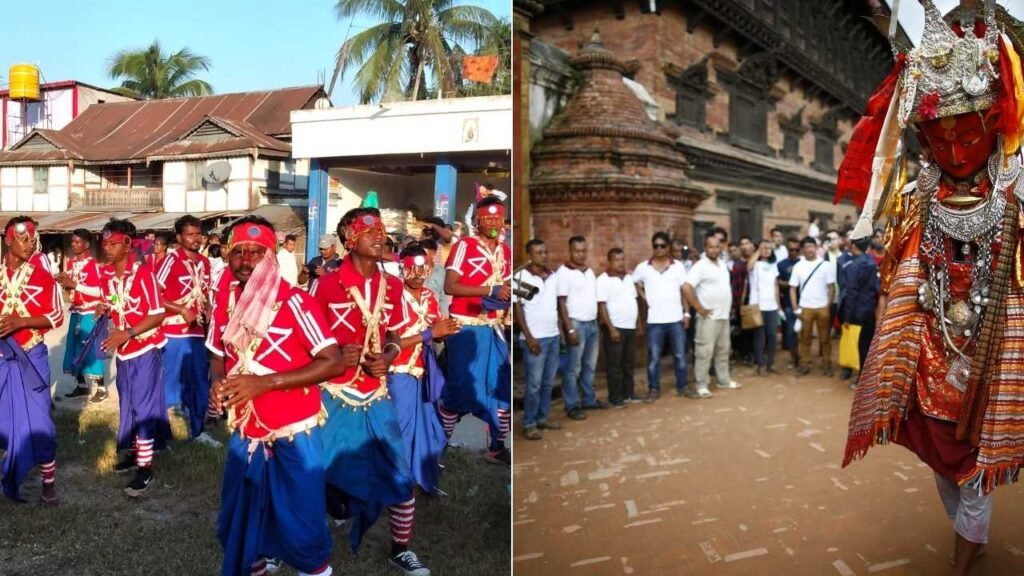
In mountain regions, spring also feels closely connected to climbing culture. Villages near trekking and expedition routes become busier with guides, porters, and mountaineering teams preparing for Himalayan expeditions, creating an atmosphere that feels exciting without becoming overwhelmingly crowded. Autumn, however, is when Nepal’s biggest and most important festivals take place.
The country becomes noticeably more festive during this season, especially during Dashain and Tihar. Dashain is Nepal’s largest festival and has enormous cultural importance across the country. Families travel home, temples become crowded, kites fill the skies, and entire cities begin slowing down as people focus on celebrations and gatherings.
Tihar follows shortly afterward and transforms cities and villages with lights, candles, flowers, and decorations. Many travelers compare the atmosphere to a mix of Diwali and a national celebration unique to Nepal. Depending on the lunar calendar, festivals like Indra Jatra can also overlap with early autumn, especially in Kathmandu, where masked dances and traditional ceremonies fill the old city streets.
For travelers interested in Nepal’s biggest cultural celebrations, autumn usually offers a richer overall experience. The festivals are larger, more widespread, and deeply woven into everyday life across the country. But spring has its own appeal. It feels less hectic, more relaxed, and often more locally authentic outside the major tourist areas. In overall, autumn is better for experiencing Nepal’s grandest festivals, while spring offers a calmer and more intimate cultural atmosphere.
Crowds, Costs, and Availability
The difference between spring and autumn in Nepal becomes especially noticeable once you start dealing with crowds, bookings, and travel costs. Both seasons are popular, but the overall atmosphere feels very different depending on when you visit. One feels busy but flexible. The other feels like Nepal’s full international tourism season.
Spring Crowds
Spring is busy across most trekking regions, but it usually feels manageable. Popular routes near Annapurna Circuit and Everest attract steady numbers of trekkers throughout March, April, and May, yet the trails rarely feel completely overcrowded outside the busiest climbing areas. A large portion of spring tourism comes from mountaineering expeditions. Climbers preparing for Himalayan summit attempts begin arriving in big numbers, especially in the Everest region.
Because of this, places connected to expedition logistics can feel surprisingly active even when trekking routes themselves remain relatively comfortable. One of the advantages of spring is flexibility. Hotels, tea houses, and domestic flights are still busy, but travelers generally have an easier time finding last-minute availability compared to autumn.
What Spring Usually Feels Like?
- Busy trekking routes without extreme congestion
- More climbers than general tourists
- Easier hotel and tea house availability
- Slightly more relaxed overall atmosphere
Autumn Crowds
Autumn is Nepal’s true peak tourism season. The combination of stable weather, crystal-clear mountain views, and major festivals brings huge numbers of international travelers into the country, especially during October. Trekking regions become significantly more crowded, and famous trails can feel busy from morning until evening.
Routes around Everest Base Camp and the Annapurna region experience the highest demand. Popular tea houses sometimes fill before sunset, mountain flights book quickly, and busy viewpoints can become crowded during sunrise hours. For first-time visitors, the atmosphere can still feel exciting rather than frustrating. But travelers looking for solitude often find autumn noticeably more crowded than expected.
What Autumn Usually Feels Like?
- Nepal’s busiest trekking season
- Crowded tea houses and trekking routes
- Flights booking out faster
- Higher tourism pressure overall
Cost Differences
Higher demand during autumn usually pushes prices upward across much of Nepal’s tourism industry. Accommodation rates in trekking regions often increase during peak weeks, especially in areas with limited tea house capacity. Domestic flights to mountain airports become more competitive, and experienced trekking guides are often booked well in advance.
Spring is not cheap either, particularly during Everest climbing season, but pricing tends to feel slightly less aggressive overall outside expedition regions. Permit costs themselves generally remain fixed year-round, but guide availability, transport demand, and accommodation competition can significantly affect the total cost of the trip.
In General:
- Autumn usually has higher overall demand
- Spring offers slightly better flexibility
- Flights and guides become harder to secure in autumn
- Popular trekking regions become more expensive during peak weeks
Best Season by Traveler Type
By this point, the answer is probably obvious: there’s no universal “best” season for visiting Nepal. Spring and autumn are both incredible, but they appeal to very different types of travelers. The better season ultimately depends on what kind of experience you want from Nepal.
- For First-Time Visitors
Autumn is usually the safer recommendation for first-time travelers. The weather is more stable, mountain visibility is at its best, and trekking conditions are generally easier to predict across most regions. If you’ve spent years imagining crystal-clear Himalayan views and classic trekking conditions, autumn is the season most likely to deliver exactly that experience. For many travelers visiting Nepal for the first time, the reliability of autumn simply removes a lot of stress from the trip.
- For Nature Lovers
Spring is hard to beat for travelers who care more about landscapes than perfect visibility. The warmer weather, blooming rhododendron forests, greener hillsides, and livelier atmosphere give the Himalayas a completely different personality during spring. Trekking trails near Annapurna Base Camp feel especially beautiful during peak bloom season. If you enjoy colorful scenery and a more vibrant natural atmosphere, spring often feels more rewarding overall.
- For Serious Trekkers
Autumn usually has the advantage for long or demanding treks. Dry trails, lower humidity, and more stable weather conditions make trekking logistics easier across high-altitude regions. Routes near Everest Base Camp and other major Himalayan trails are generally more reliable during autumn, especially for trekkers attempting longer itineraries. The colder temperatures can be challenging, but the stability often outweighs the discomfort.
- For Photographers
This depends entirely on photography style. Autumn is better for dramatic mountain photography, sharp visibility, and panoramic Himalayan landscapes. The skies are cleaner, the air is clearer, and distant peaks appear far more defined. Spring, on the other hand, offers richer foregrounds, colorful forests, softer light, and more dynamic landscapes overall. Thus, autumn favors mountain clarity and spring favors atmosphere and color
- For Budget Travelers
Neither season is truly cheap, but shoulder periods within both seasons can offer better value. Early March and late November often provide a balance between decent weather and lower tourism pressure. Accommodation becomes easier to negotiate, flights are slightly less competitive, and trekking routes feel less crowded compared to peak weeks.
- For Climbers
Spring is the clear winner for mountaineering. Most major Himalayan expeditions take place during this period because weather conditions before the monsoon are generally more suitable for summit attempts. Everest climbing season transforms parts of the Khumbu region into the center of the global mountaineering world during April and May. For climbers, spring isn’t just popular, it’s the season that defines Himalayan expedition culture.