

For many travelers, Nepal feels both exciting and intimidating at the same time. The country is famous for Himalayan trekking, ancient temples, chaotic cities, and remote mountain villages, but for solo travelers, one important question always comes first: Is Nepal actually safe to travel alone? The short answer is yes. Nepal is generally considered one of the safer destinations in South Asia for solo travelers. Every year, thousands of independent travelers, including backpackers, trekkers, digital nomads, and solo female travelers, explore the country without major problems. Tourism is deeply important to Nepal’s economy, and locals are often known for being warm, helpful, and welcoming toward foreign visitors.
That said, “safe” does not mean risk-free. Nepal is still a developing country with infrastructure challenges, unpredictable mountain environments, and occasional tourist scams. Most travelers who run into trouble in Nepal experience manageable issues such as overcharging, stomach illness, delayed transportation, minor theft, or trekking-related problems rather than serious violent crime. This question matters even more for certain types of travelers. First-time visitors to Asia often worry about cultural differences, crowded cities, and navigating unfamiliar systems alone. Female solo travelers may understandably wonder about harassment, nighttime safety, and trekking independently in remote regions.
Trekkers need to think beyond crime and consider altitude sickness, weather changes, and trail safety in the Himalayas. Meanwhile, digital nomads and long-term backpackers often want to know whether Nepal feels comfortable for daily living, remote work, and extended stays. However, Nepal’s biggest risks are often different from what many people initially expect. Natural and environmental risks usually deserve more attention than violent crime. Altitude sickness, road accidents, landslides, poor weather, and trekking emergencies are far more significant concerns than attacks or serious criminal incidents targeting tourists. Preparation and awareness, therefore, play a major role in staying safe.
Overall Safety in Nepal: The Big Picture
Nepal is widely viewed as a safe and welcoming destination for independent travelers. Compared to many countries in the region, violent crime against tourists is relatively uncommon, and most visitors complete their trips without serious safety issues. One reason Nepal feels comfortable for solo travelers is its long tourism history. The country has been a major backpacking and trekking destination for decades, especially around Kathmandu, Pokhara, and the Himalayan trekking regions. Because tourism is an important part of the economy, many locals are used to interacting with foreign travelers and are generally helpful and welcoming.
Nepal is also a popular destination for long-term backpackers and trekkers, which makes it easier to travel alone. Guesthouses, trekking lodges, cafes, and hostels often create a social atmosphere where solo travelers quickly meet others.
Crime Levels in Nepal
Nepal has relatively low levels of violent crime targeting tourists. Serious incidents such as assault or armed robbery involving foreign visitors are uncommon, especially in major tourist areas. The more realistic concern is petty crime rather than violence. Common tourist-related problems include:
- Pickpocketing in crowded areas
- Bag theft on buses or in busy markets
- Occasional phone snatching
- Taxi overcharging
- Tourist scams and inflated prices
- Fake or unlicensed trekking operators
Areas with heavy tourist traffic, especially Thamel in Kathmandu, are where these issues are most likely to happen. In most cases, basic precautions such as keeping valuables secure, avoiding unattended bags, and booking through reputable agencies are enough to reduce risk significantly.
Political Stability and Protests
Nepal is generally stable for travelers, but occasional political protests and strikes, known locally as “bandhs,” still happen. These events are more disruptive than dangerous and usually affect transportation or business operations rather than tourist safety directly. Demonstrations are most common in Kathmandu and are typically avoidable. Tourists are rarely targeted during political events, but it is smart to avoid large crowds and protest areas.
To stay informed:
- Check local news updates
- Ask hotel staff about transport conditions
- Leave flexibility in travel schedules during uncertain periods
Natural Risks vs Human Risks
For most travelers in Nepal, natural and infrastructure-related risks are more important than crime. The biggest safety concerns often include:
- Trekking accidents
- Altitude sickness
- Landslides during monsoon season
- Poor road conditions and traffic accidents
- Sudden mountain weather changes
Altitude sickness is especially important for trekkers heading to high elevations such as Everest Base Camp or Annapurna Circuit. Even experienced hikers can become seriously ill if they ascend too quickly. Road safety is another major concern. Mountain roads can be rough, narrow, and affected by landslides, especially during monsoon months. Long-distance bus journeys are often considered riskier than walking through tourist areas at night.
Overall, Nepal is less dangerous than many first-time visitors expect, but safety depends heavily on preparation, awareness, and decision-making. Travelers who respect mountain conditions, choose reliable transport and trekking services, and stay alert in crowded areas usually find Nepal to be a very manageable solo travel destination.
Safety in Kathmandu and Major Tourist Areas
Nepal’s main tourist destinations are generally safe for travelers, including those exploring alone. Most visitors spend time in tourist-friendly areas where hotels, restaurants, trekking agencies, and transport services are designed around international tourism. Still, safety conditions vary depending on the city, time of day, and level of awareness.
Kathmandu
Kathmandu is Nepal’s busiest and most chaotic city, so it naturally requires the most caution. While violent crime against tourists is uncommon, the capital can feel overwhelming for first-time visitors because of heavy traffic, crowded streets, noise, and aggressive driving.
Areas Popular With Solo Travelers
- Thamel:
Thamel is Kathmandu’s main backpacker and tourist district. It is filled with hostels, cafes, trekking shops, bars, and travel agencies, making it one of the easiest places in Nepal for solo travelers to navigate. The area stays busy late into the evening, which generally helps travelers feel comfortable walking around.
However, Thamel is also where most tourist scams and petty theft incidents occur.
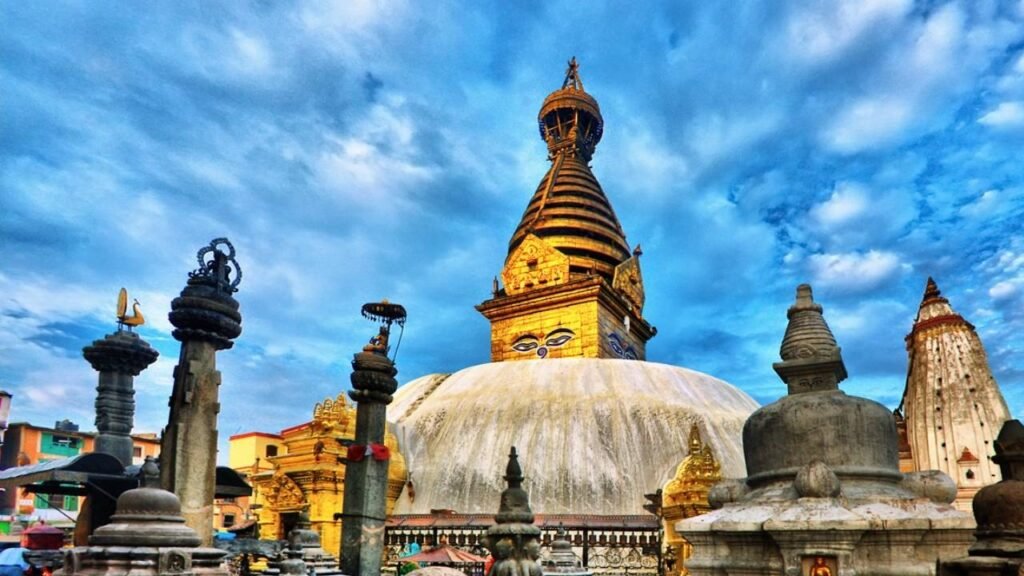
- Boudha:
Boudha is quieter and more relaxed than Thamel. The area around Boudhanath Stupa attracts long-term travelers, digital nomads, and people interested in Buddhist culture. It is generally considered calm and safe, especially during daytime and early evening hours.
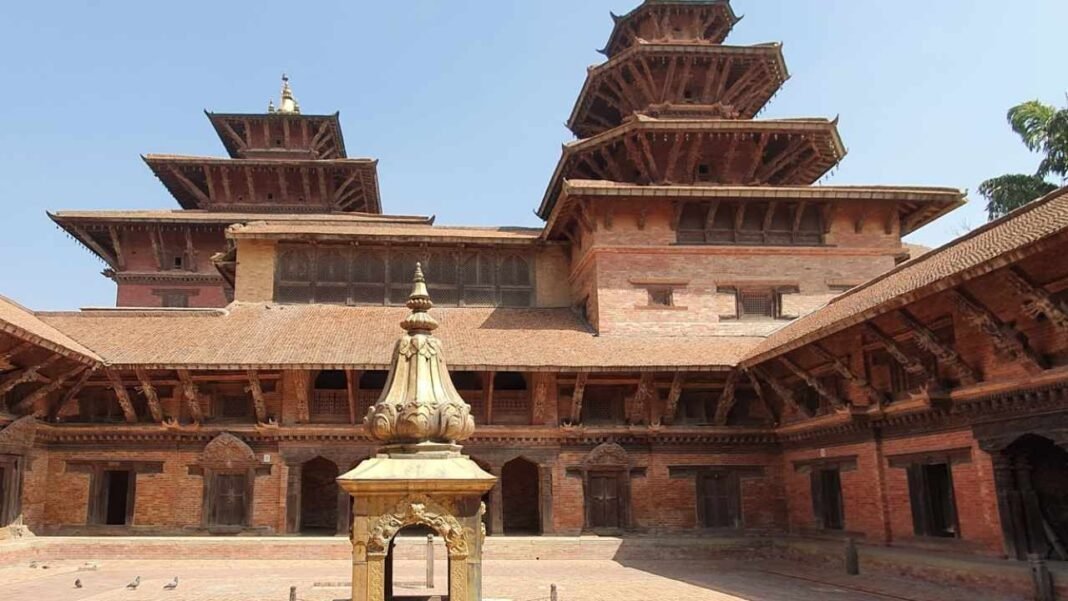
- Patan:
Patan offers a slower and more local atmosphere compared to central Kathmandu. Many travelers consider it one of the most pleasant areas in the valley because of its walkable streets, cultural sites, and lower tourist pressure.
Common Urban Safety Concerns
The most common issues in Kathmandu are minor but frustrating rather than dangerous.
- Pickpockets:
Crowded markets, buses, and busy tourist streets are the main places where pickpocketing can happen. Keeping valuables secure and avoiding exposed phones or wallets is usually enough to avoid problems.
- Traffic Chaos:
Traffic is one of the biggest everyday safety concerns in Kathmandu. Roads are crowded with motorcycles, buses, taxis, and pedestrians moving unpredictably. Crossing streets often feels more stressful than dealing with crime.
- Taxi Scams:
Some taxi drivers refuse to use meters or charge inflated tourist prices, especially near airports and tourist hubs. Using ride apps or agreeing on prices beforehand helps avoid overcharging.
Nighttime Intoxicated Crowds
Parts of Thamel become louder late at night, especially near bars and clubs. While serious violence is rare, drunk behavior, harassment, and occasional arguments can happen after midnight.
Pokhara
Pokhara is usually considered Nepal’s most relaxed tourist city. The Lakeside area is heavily focused on tourism and has a calm backpacker atmosphere with restaurants, cafes, trekking shops, and lakeside hotels. Solo travelers, including many solo women, generally find Pokhara easy and comfortable to navigate.
- Lakeside Area Safety:
The Lakeside district is well-developed for tourism and feels safer and quieter than central Kathmandu. Walking around during the evening is common, especially along the main lakeside road.
- Late-Night Environment:
Pokhara has nightlife, but it is usually calmer than Kathmandu. Still, standard precautions apply:
- Avoid isolated lakeside paths late at night
- Watch drinks in bars
- Use trusted transport if returning late
Chitwan and Lumbini
Bharatpur (gateway to Chitwan) and Lumbini are generally low-risk destinations with slower-paced environments. Chitwan’s tourism revolves around jungle safaris and resorts, while Lumbini is centered around Buddhist pilgrimage tourism. Both areas are typically calm, tourist-oriented, and comfortable for solo travelers. Most safety concerns here are practical rather than criminal, such as transportation quality, heat, mosquitoes, or avoiding isolated areas very late at night.
Are Tourist Areas Safe at Night?
In general, Nepal’s major tourist areas are reasonably safe at night compared to many large cities worldwide. Walking through busy parts of Thamel or Pokhara Lakeside during the evening is common for travelers. Still, you should avoid situations like:
- Empty alleys late at night
- Isolated roads or parks
- Heavy intoxication
- Walking alone far outside tourist zones after midnight
Practical nighttime precautions include:
- Keep phones and valuables secure
- Use registered taxis or ride apps
- Avoid displaying large amounts of cash
- Stay aware of surroundings in crowded nightlife areas
- Share location or plans if trekking or traveling overnight
For most solo travelers, Nepal’s tourist areas feel more manageable than intimidating. Basic awareness and common-sense precautions are usually enough to stay safe in the country’s main travel destinations.
Transportation Safety in Nepal
Transportation is one of the biggest safety concerns for travelers in Nepal. While most journeys are completed without problems, road conditions, weather, and driving standards can make travel more unpredictable than many visitors expect.
Domestic Flights
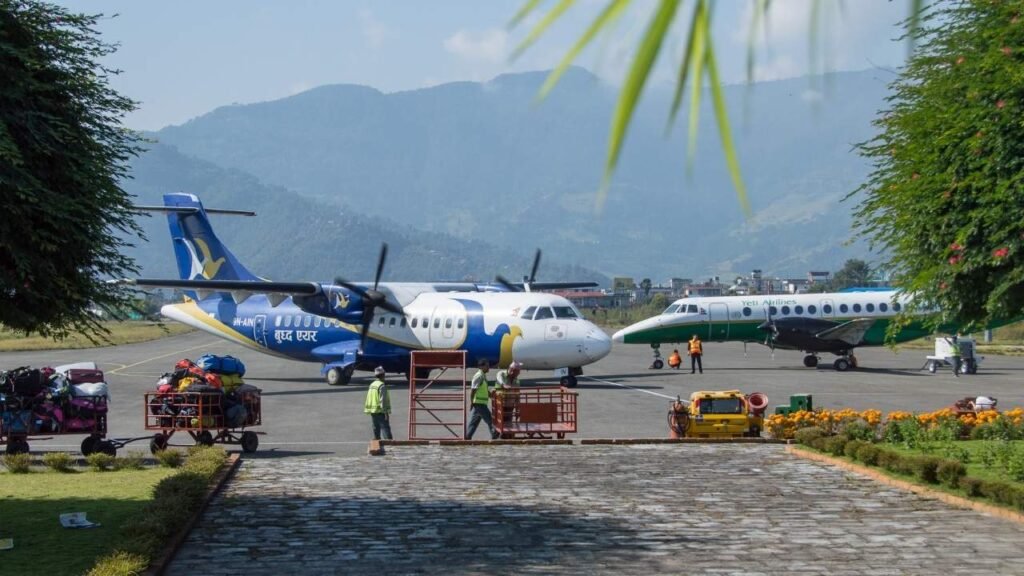
Domestic flights are common in Nepal, especially for reaching trekking regions and remote mountain areas. Airlines operate frequent routes between Kathmandu, Pokhara, Lukla, Jomsom, and other mountain airports. Nepal’s mountain airports are famous for difficult terrain and rapidly changing weather conditions. The most well-known is Tenzing-Hillary Airport, often called Lukla Airport, which serves the Everest region. Lukla has a dramatic reputation because of short runway length, mountain surroundings, frequent weather disruptions, and sudden visibility changes
Despite its reputation, flights operate regularly during trekking seasons, but delays and cancellations are extremely common due to weather dependency. Travelers should always keep extra buffer days in their itinerary. Overall, Nepal’s aviation safety standards have improved over the years, but mountain flying still carries higher operational risks compared to standard commercial aviation in larger countries.
Tourist Buses
Tourist buses are the most common way travelers move between major destinations such as Kathmandu, Pokhara, and Chitwan. Compared to local buses, tourist buses are generally more comfortable, less crowded, better organized, and driven more cautiously. For most travelers, they are the safer and more reliable road travel option. Overnight buses are available on some routes, but many travelers avoid them because:
- Mountain roads can be dangerous at night
- Driver fatigue is a concern
- Visibility becomes worse during bad weather
- Theft risk increases while sleeping
Daytime travel is usually considered the safer option, especially during the monsoon season.
Local Buses and Microbuses
Local buses and microbuses are cheaper but significantly more chaotic. They are often overcrowded and may stop frequently to pick up passengers. Common issues include extreme crowding, aggressive driving, poor vehicle condition, and limited luggage security. Petty theft is more likely on crowded local transport, especially on longer routes. Travelers carrying expensive gear or backpacks should stay alert and keep valuables close.
Taxis and Ride Apps
Taxis are widely available in Kathmandu and Pokhara, but small scams are common. The most frequent complaint from tourists is drivers refusing to use the meter and charging inflated prices instead. This happens regularly around airports, tourist hubs, and bus stations. To avoid problems:
- Agree on the fare before starting
- Carry small cash
- Avoid unofficial airport drivers
Ride apps are becoming more popular in Nepal and are usually more transparent for pricing.
Common options include Pathao and InDrive. These apps reduce bargaining issues and are often preferred by travelers for short urban trips.
Road Conditions in Nepal
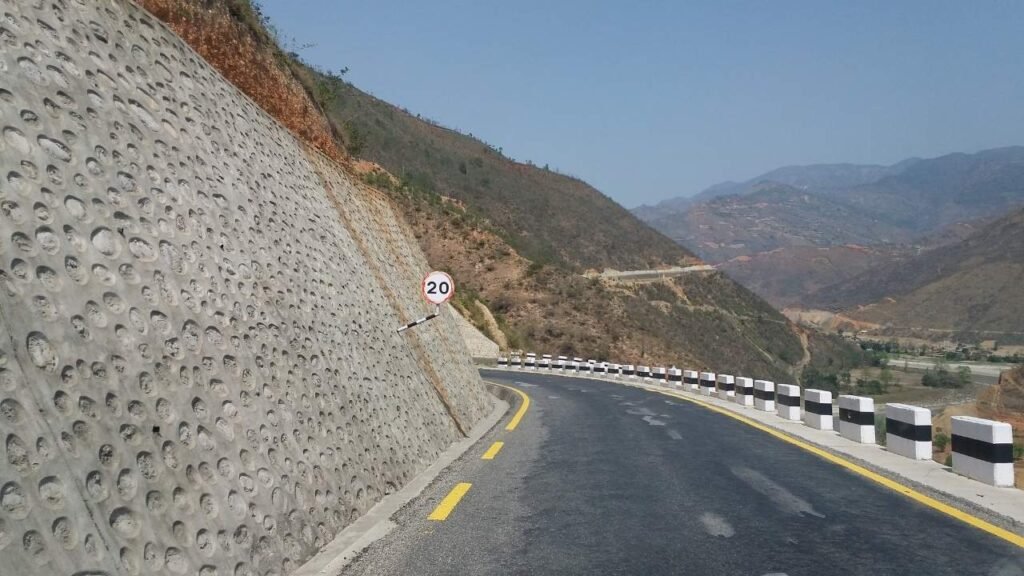
Road safety is one of Nepal’s biggest travel risks. Mountain highways can be narrow, rough, and affected by weather throughout the year. Roads connecting major destinations often include:
- Sharp mountain curves
- Steep drop-offs
- Limited guardrails
- Heavy bus and truck traffic
Travel times are often much longer than distances suggest. During monsoon season, landslides frequently block highways and delay travel. Routes to trekking regions are especially vulnerable.
Bus journeys that normally take several hours can become unpredictable during heavy rain.
Night driving is generally considered less safe in Nepal because of poor road lighting, road damage visibility, driver fatigue, weather conditions and increased accident risk. Whenever possible, daytime travel is the better choice, especially on mountain routes.
Thus, transportation in Nepal requires patience and flexibility. Most travelers move around safely, but choosing reliable transport, avoiding unnecessary night travel, and leaving extra time for delays can significantly improve both safety and comfort.
Health and Medical Safety
Health-related issues are among the most common problems travelers face in Nepal. Most are minor and manageable, but preparation matters especially for trekkers heading into remote mountain regions. Food hygiene standards vary across Nepal. Tourist restaurants in places like Kathmandu and Pokhara are usually reliable, but stomach problems are still common among travelers. The most frequent health issues include:
- Stomach infections
- Food poisoning
- Traveler’s diarrhea
- Dehydration
These are usually caused by contaminated water, poor hygiene, or unfamiliar food. To reduce risk:
- Drink bottled or properly filtered water
- Avoid tap water
- Eat freshly cooked meals while still hot
- Be cautious with raw salads and uncooked street food
- Wash or sanitize hands regularly
Ice in tourist restaurants is often filtered, but smaller local places may not follow the same standards.
Hospitals and Clinics
Nepal has decent private healthcare in major cities, but medical quality becomes limited in remote areas. The best hospitals and international clinics are located in Kathmandu, with smaller but reliable facilities available in Pokhara. For basic illnesses, pharmacies and clinics are widely available in tourist areas. However, rural mountain regions may only have very basic health posts with limited equipment.
For trekkers, emergency evacuation is an important consideration. Serious altitude sickness, injuries, or medical emergencies in the Himalayas may require helicopter rescue. Helicopter evacuations are expensive and can cost thousands of dollars without insurance. This is why comprehensive travel insurance with high-altitude trekking coverage is strongly recommended for anyone planning mountain treks in Nepal.
Safety Tips for Digital Nomads and Long-Term Solo Travelers
Nepal has become increasingly popular with digital nomads, slow travelers, and long-term backpackers, especially in areas like Kathmandu and Pokhara. While the country is generally comfortable for extended stays, a few practical precautions can make long-term solo travel much safer and smoother.
Internet and Remote Work Safety
Most cafes, coworking spaces, and hotels offer Wi-Fi, but internet quality varies depending on location and weather. For better online safety:
- Avoid accessing sensitive accounts on unsecured public Wi-Fi
- Use strong passwords and two-factor authentication
- Consider using a VPN for banking or remote work
Getting a local SIM card is highly recommended for both safety and convenience. Mobile data in Nepal is affordable and often more reliable than public Wi-Fi during power cuts or outages. Popular providers include: Nepal Telecom and Ncell.
Choosing Safe Accommodation
Nepal offers everything from cheap backpacker hostels to long-term apartments and guesthouses. Hostels are useful for meeting other travelers and joining activities, while guesthouses often provide quieter and more comfortable long-term stays. Regardless of budget:
- Read recent reviews carefully
- Check security comments from other travelers
- Confirm Wi-Fi reliability if working remotely
Staying in well-known tourist areas is usually safer and more convenient for solo travelers. Areas with restaurants, cafes, and regular foot traffic generally feel more comfortable at night than isolated neighborhoods.
Money and Valuables
Nepal is still heavily cash-based in many places, especially outside major cities. To stay safe:
- Carry only the cash needed for the day
- Avoid displaying large amounts of money
- Keep emergency cash separate from your main wallet
It is also smart to carry:
- A backup debit or credit card
- Digital copies of important documents
- Separate storage for passport and valuables
Many hostels and hotels provide lockers or room safes, which are useful for storing electronics, passports, and extra cash.
Meeting People Safely
Nepal is one of the easier countries in Asia for solo travelers to meet others. Trekking routes, hostels, cafes, and coworking spaces naturally create social environments. Good ways to connect safely include:
- Joining trekking groups
- Participating in hostel activities
- Meeting travelers through verified communities
Social and dating apps are used in Nepal, but travelers should still use caution when meeting strangers:
- Meet in public places first
- Avoid sharing accommodation details immediately
- Be careful with alcohol and late-night situations
For most long-term solo travelers, Nepal feels social, affordable, and relatively low-stress. With basic awareness and sensible precautions, it is generally a comfortable country for independent travel and remote living.