
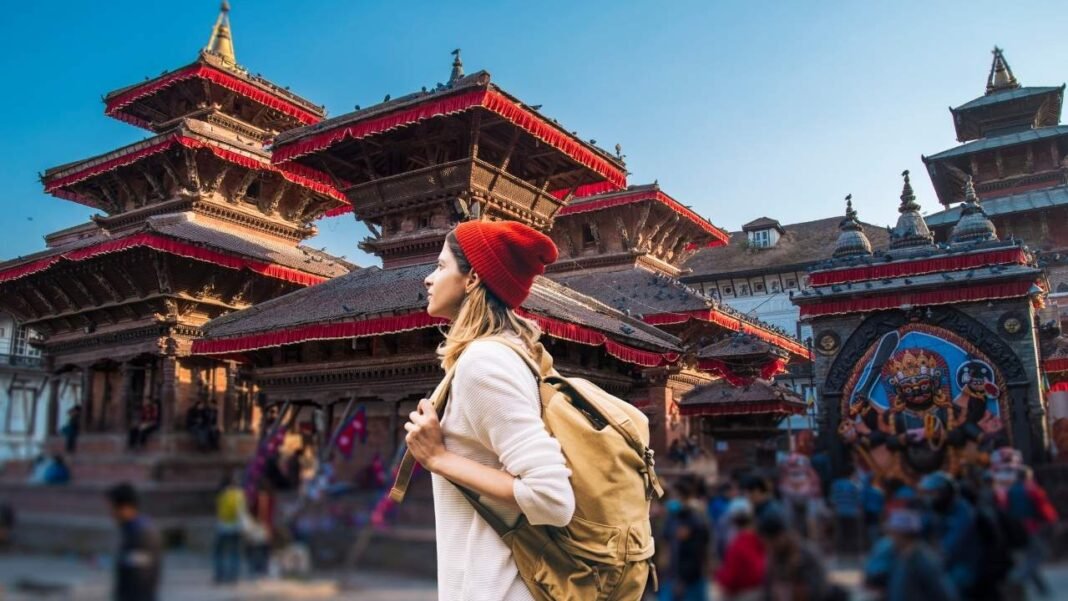

Many travelers arrive in Nepal thinking they will spend a couple of weeks exploring Kathmandu or trekking in the Himalayas. Then plans change. You discover another trekking route, spend extra days recovering in Pokhara, or simply realize there’s far more to see than you expected. That’s why one of the first questions people ask is: how long can you actually stay in Nepal as a tourist?
The good news is that Nepal is relatively flexible compared to many destinations. Depending on your travel plans, you can obtain a 15-day, 30-day, or 90-day tourist visa, and if you need more time, you can usually extend your stay without leaving the country. However, there is one important restriction that catches many visitors off guard: you cannot stay in Nepal for more than 150 days in a single calendar year, even if you leave and re-enter.
Understanding this distinction is important before you book flights, plan a multi-month trekking itinerary, or decide to travel around Nepal at a slower pace. The difference between your visa duration, visa extension, and the 150-day annual limit often causes confusion, especially for first-time visitors.
Today, in this guide, you will learn exactly how Nepal’s tourist visa system works, who can extend their stay, what the 150-day rule means in practice, and how to avoid common mistakes that could disrupt your trip.
Understanding Nepal’s Tourist Visa System
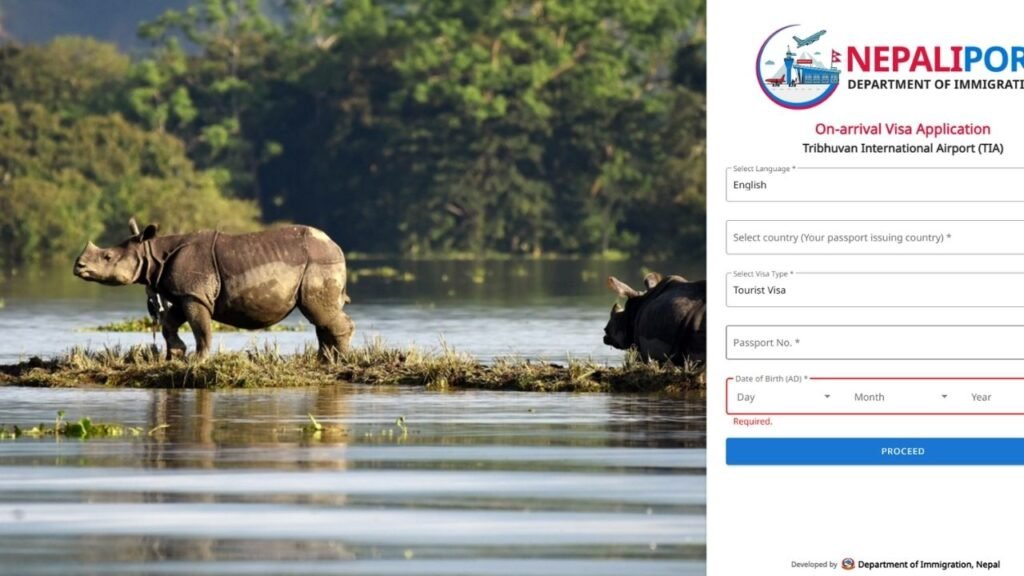
Nepal has one of the more straightforward tourist visa systems in South Asia, which is one reason it is a popular destination for trekkers, backpackers, and long-term travelers. In most cases, you don’t need to arrange a visa months in advance. Instead, eligible travelers can obtain a Visa on Arrival at major entry points, including Tribhuvan International Airport in Kathmandu and several designated land border crossings with India and China.
However, not everyone qualifies for a Visa on Arrival. Citizens of a few countries are required to obtain a visa before traveling, so it is worth checking the latest immigration requirements based on your nationality before booking your trip. Your passport should also be valid for at least six months beyond your intended stay.
Another point that often confuses first-time visitors is the difference between single-entry and multiple-entry visas. A single-entry visa becomes invalid once you leave Nepal, even if it still has days remaining. A multiple-entry visa, on the other hand, allows you to leave and re-enter during its validity period, making it useful if you’re planning side trips to destinations like India or Bhutan before returning to Nepal.
Perhaps the most misunderstood part of Nepal’s visa system is the distinction between visa validity and your permitted length of stay. Your visa determines how long you are allowed to remain in Nepal, while its validity refers to the period during which that visa can be used. More importantly, regardless of how many visas or entries you have, your total time in Nepal as a tourist cannot exceed 150 days within a calendar year.
Once you understand these basics, planning a short holiday or a months-long adventure in Nepal becomes much simpler, and you will be far less likely to encounter unexpected immigration issues during your trip.
Tourist Visa Options Explained
Nepal offers three standard tourist visa durations: 15 days, 30 days, and 90 days. The best option depends on how much you want to see, whether you’re planning a trek, and if there’s a chance you’ll extend your stay later. While you can apply for an extension, choosing the right visa from the start can save both time and additional paperwork.
| Visa Duration | Typical Cost | Best For | Is It Enough? |
| 15 Days | US$30 | Short holidays, business trips, or transit travelers | Suitable if you’re visiting only Kathmandu, Pokhara, or Chitwan. Too short for most multi-region trips or major treks. |
| 30 Days | US$50 | First-time visitors and most tourists | The most popular choice. Gives you enough time for sightseeing, cultural experiences, and shorter treks like Poon Hill or Mardi Himal. |
| 90 Days | US$125 | Long-term travelers, trekkers, photographers, and slow travelers | Ideal if you’re combining multiple regions, tackling longer treks such as Everest Base Camp or the Annapurna Circuit, or simply prefer traveling without rushing. |
Visa fees are subject to change, so always verify the latest rates before traveling. If you are unsure which option to choose, it’s usually worth thinking beyond your itinerary. Many visitors underestimate how much time Nepal deserves. Weather delays, altitude acclimatization, rest days after trekking, and unexpected discoveries can easily add a week or more to your trip.
For most travelers, the 30-day visa offers the best balance between flexibility and cost. However, if your itinerary includes a high-altitude trek or you plan to explore several regions, the 90-day visa often provides better value by eliminating the need to extend your visa midway through your journey.
The 15-day visa is best reserved for travelers with fixed schedules who know they will be leaving Nepal within two weeks.
Can You Extend Your Tourist Visa?
Yes. If you decide to stay in Nepal longer than your original visa allows, you can apply for a tourist visa extension without leaving the country. This is common among trekkers, backpackers, photographers, and slow travelers whose plans change after they arrive. Visa extensions are processed by the Department of Immigration in Kathmandu or Pokhara.
The application typically requires your passport, a completed visa extension form, a passport-sized photo (if requested), and payment of the applicable visa fee. It’s a good idea to apply a few days before your current visa expires, especially during the busy trekking seasons when immigration offices can be crowded.
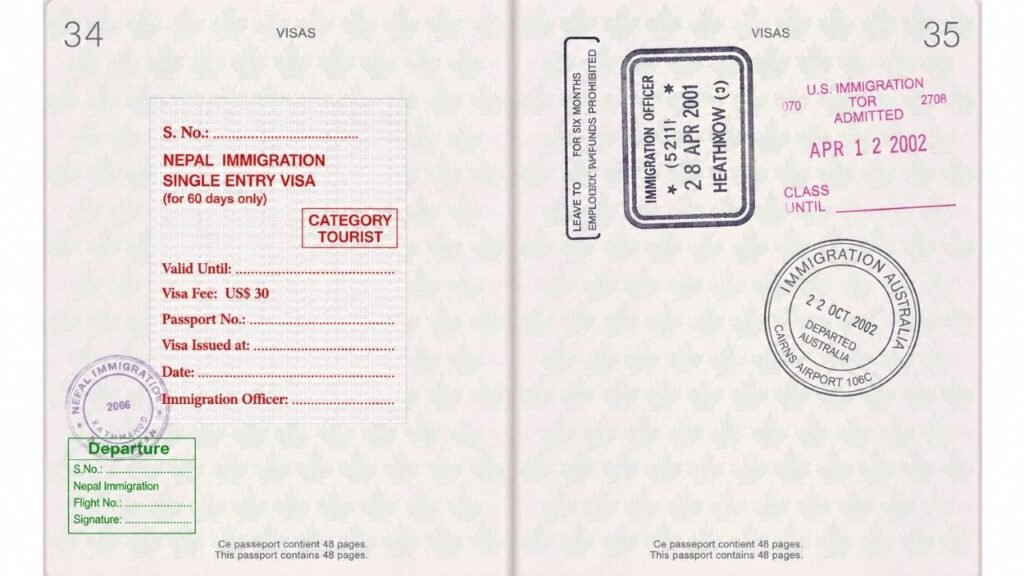
The extension fee starts at US$45 for a minimum 15-day extension, with an additional US$3 per extra day beyond that. While you can extend your visa multiple times, your total stay as a tourist cannot exceed 150 days in a calendar year.
Processing is usually completed on the same day or within one working day, provided your documents are in order. However, delays can occur during peak travel periods or public holidays, so waiting until the final day of your visa isn’t recommended.
If you know your itinerary will already exceed 30 days, for example, you’re planning a long trek followed by sightseeing across Nepal, it may be more convenient and cost-effective to obtain a 90-day visa from the beginning instead of relying on multiple extensions. It saves time, reduces paperwork, and lets you focus on enjoying your trip rather than visiting immigration offices.
The 150-Day Rule Most Travelers Don’t Understand
The 150-day rule is probably the most misunderstood part of Nepal’s tourist visa policy. Many travelers assume that once their 90-day visa expires, they can simply leave the country, return a few days later, and receive another 90 days. That’s not how the system works.
Nepal limits tourists to a maximum of 150 days within a single calendar year (January 1 to December 31). Every day you spend in the country counts toward that total, regardless of whether you entered once, extended your visa, or made multiple trips throughout the year.
For example, imagine you spend 90 days trekking in spring, return home for two months, and then come back in autumn for another adventure. You would not receive a fresh 90-day allowance; you would only have 60 days remaining before reaching the annual limit.
| Travel Timeline | Days Spent | Days Remaining That Calendar Year |
| January–March | 90 days | 60 days |
| July Visit | 30 days | 30 days |
| October Visit | 30 days | 0 days (Annual limit reached) |
| Any Later Visit (Same Calendar Year) | Not permitted as a tourist visa | Annual limit reached |
This rule is particularly important if you are planning multiple trekking seasons, combining Nepal with nearby countries, or traveling through South Asia for several months. While you can leave and re-enter Nepal if you hold or obtain the appropriate visa, crossing the border does not reset your 150-day allowance.
The easiest way to avoid problems is to keep track of the total number of days you have spent in Nepal during the year, not just the expiry date printed on your current visa. Many travelers focus on their visa validity but overlook the cumulative annual limit, only discovering the issue when planning another visit later in the year.
What Happens If You Overstay?
Overstaying your tourist visa in Nepal is something you should avoid, even if it is only by a few days. Nepal does not have a formal grace period for expired tourist visas, so once your permitted stay ends, you will need to resolve your immigration status before leaving the country.
The financial consequences are often misunderstood. Rather than a single “overstay fine,” Nepal generally applies two separate charges: the applicable tourist visa extension fee and a late penalty.
According to Nepal’s immigration fee structure, tourist visa extensions cost US$3 per day after the minimum extension period, while delayed extensions incur an additional US$5 per day late fee. In practice, many short overstays result in a combined cost of US$8 per day, although the exact amount depends on your individual visa situation and the length of the overstay.
The bigger inconvenience often comes at the airport. Before you can depart Nepal, immigration officers verify that your visa status is valid. If you have overstayed, you may be required to settle the outstanding charges and complete immigration formalities before you are allowed to leave. Depending on the circumstances and how busy the immigration office is, this process can delay your departure and, in some cases, cause you to miss your flight.
While most short overstays are resolved by paying the required fees, longer or more serious immigration violations can lead to additional consequences, including deportation or restrictions on future entry into Nepal. These outcomes are uncommon for travelers who address the issue promptly, but they are a reminder that it is never worth ignoring an expired visa.
The safest approach is to monitor your visa expiry date and apply for an extension before it expires if your plans change. If you realize you’ve already overstayed, contact the Department of Immigration as soon as possible instead of waiting until your departure day. Resolving the issue early is usually far less stressful than dealing with it at the airport.
How Long Should You Actually Stay in Nepal?
The “right” amount of time depends on what you want from your trip. Nepal may look small on a map, but traveling between destinations often takes longer than expected due to mountainous roads, domestic flight schedules, and weather conditions. If you are planning to trek, you also need to factor in acclimatization days and occasional delays.
Here’s what you can realistically experience with different trip lengths.
| Trip Length | Best For | What You Can Comfortably Experience |
| 1 Week | First-time visitors with limited time | Explore Kathmandu, Bhaktapur, and either Pokhara or Chitwan. Suitable for sightseeing, culture, and short hikes, but too rushed for major treks. |
| 2 Weeks | Classic Nepal itinerary | Visit Kathmandu, Pokhara, and Chitwan, or complete shorter treks like Poon Hill or Mardi Himal while still enjoying local culture. |
| 3 Weeks | Active travelers | Combine a major trek such as Everest Base Camp or Annapurna Base Camp with time in Kathmandu and Pokhara without feeling constantly rushed. |
| 1 Month | Slow travelers and photographers | Explore multiple regions, complete longer treks, spend extra days in mountain villages, and allow for weather or flight delays. |
| 2–3 Months | Long-term travelers, remote workers, and trekking enthusiasts | Experience Nepal at a slower pace, complete multiple treks, visit less-touristy regions, volunteer, or combine Nepal with nearby countries before returning. |
If you only have one week, focus on quality rather than trying to see everything. Nepal’s biggest attractions are spread across the country, and attempting to squeeze Kathmandu, Pokhara, Chitwan, and a trek into seven days usually means spending more time in vehicles than enjoying the destinations.
Two weeks is often considered the sweet spot for first-time visitors. It gives you enough time to experience Nepal’s cultural heritage, wildlife, and mountain scenery without constantly rushing between locations. This is also the most common trip length among international tourists.
With three weeks, your itinerary becomes much more flexible. You can complete one of Nepal’s iconic treks, spend time exploring cities, and still have buffer days in case mountain weather delays flights or changes your plans.
If you can stay for a month or longer, Nepal feels like a completely different destination. Instead of ticking off landmarks, you can travel at a slower pace, discover quieter villages, spend more time interacting with local communities, and adapt your itinerary as opportunities arise. This is particularly rewarding for photographers, trekkers, and anyone who enjoys immersive travel rather than fast-paced sightseeing.
Ultimately, if your schedule allows, three to four weeks offer one of the best balances between cost, flexibility, and experience. It is long enough to explore Nepal beyond its famous highlights without requiring the commitment of an extended stay, making it the ideal duration for most travelers.
Common Visa Mistakes Tourists Make
Most visa problems in Nepal aren’t caused by complicated regulations; they are the result of simple planning mistakes. Avoiding the following can save you time, money, and unnecessary stress during your trip.
- Booking return flights without checking your visa duration. Make sure your departure date falls within your permitted stay. Changing an international flight is often far more expensive than applying for the correct visa from the start.
- Confusing visa validity with your length of stay. A visa’s validity and the number of days you’re allowed to remain in Nepal are not always the same. Always verify your permitted stay rather than assuming you can remain until the visa document expires.
- Waiting until the last day to apply for an extension. Immigration offices can be busy, especially during the spring and autumn trekking seasons. Applying a few days early gives you time to resolve any unexpected issues without risking an overstay.
- Ignoring passport validity requirements. Most travelers should ensure their passport has at least six months of validity remaining when entering Nepal. An expiring passport can create problems long before your visa does.
- Not carrying enough funds for visa fees. Tourist visas and extensions involve government fees, and payment methods may vary depending on where you apply. Checking the latest fee structure and accepted payment options before arriving can help you avoid unnecessary delays.
Nepal’s tourist visa system is generally straightforward and traveler-friendly. Once you understand the difference between your visa duration, the 150-day annual limit, and the extension process, staying compliant becomes simple. A few minutes of planning before your trip can save hours of paperwork later, allowing you to spend more time enjoying Nepal’s mountains, culture, and unforgettable landscapes.