
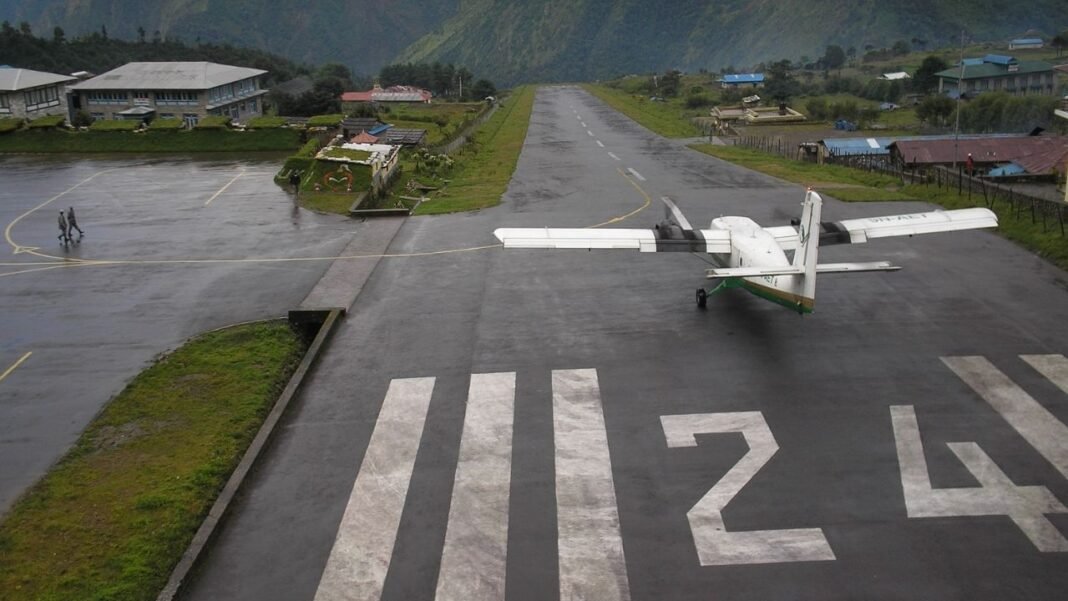

For most trekkers, the adventure to Everest does not begin on the trail, it begins in the air. The short flight to Lukla is the only practical way to reach the Everest region without adding several extra days of trekking, making it one of the busiest and most important mountain flights in Nepal.
Despite covering less than 140 kilometers (87 miles) in around 25 to 35 minutes, flying to Lukla is not as straightforward as boarding a domestic flight elsewhere. The airport sits at 2,845 meters (9,334 feet) in the Himalayas, where weather can change within minutes. Clear skies in Kathmandu does not always mean aircraft can land in Lukla, which is why delays and cancellations are considered part of the Everest trekking experience rather than a rare exception.
That uncertainty catches many first-time trekkers off guard. Some lose a day, others wait several days, and during peak trekking seasons, even a small weather window can create long queues of passengers waiting for the next available flight. Knowing how the system works before you arrive can save you time, money, and a lot of unnecessary stress.
This article breaks down everything you actually need to know, from where Lukla flights depart and why they are delayed so often to baggage rules, practical tips that improve your chances of flying on schedule, and the best alternatives when flights do not go as planned.
Why Are Lukla Flights So Famous?
Lukla is the main gateway to the Everest region. Unless you choose a longer overland route via Salleri or Phaplu, almost every trek to Everest Base Camp (EBC), Gokyo Lakes, the Three Passes Trek, or other destinations in the Khumbu Valley begins with a flight to Tenzing-Hillary Airport in Lukla.
The airport is named after Sir Edmund Hillary and Tenzing Norgay Sherpa, the first climbers confirmed to have reached the summit of Mount Everest in 1953. Built in the 1960s with Hillary’s support, it transformed access to the Khumbu region, replacing what was once a journey that required several additional days of walking from the nearest road.
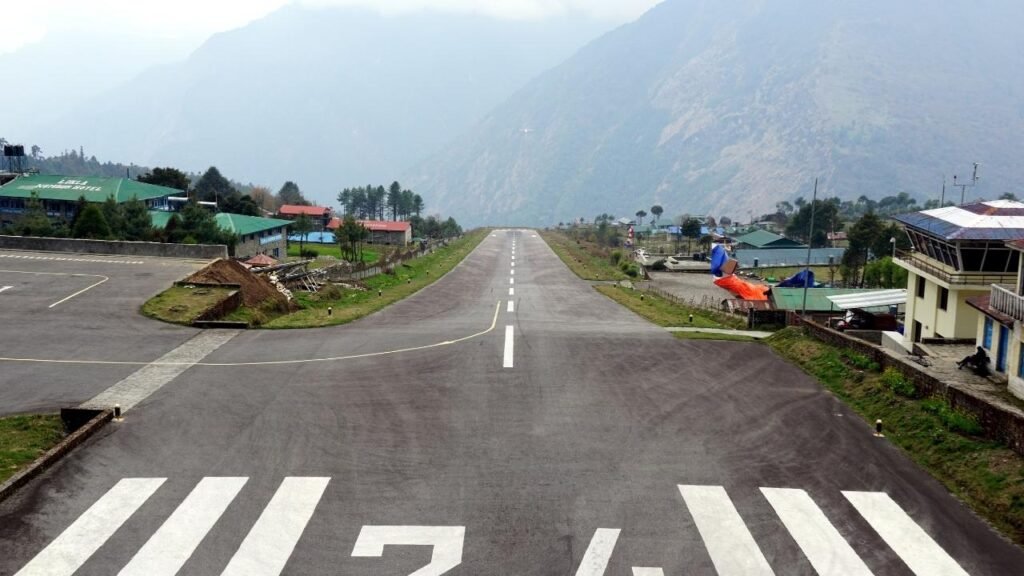
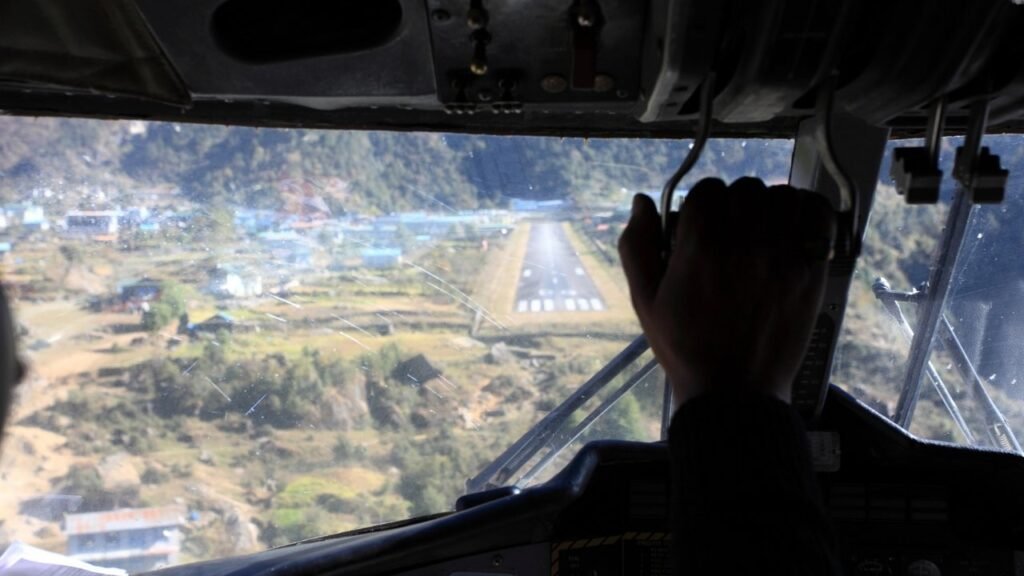
What makes Lukla internationally famous is its runway. At just 527 meters (1,729 feet) long, it is one of the shortest commercial runways in the world. The runway is also built on a steep uphill gradient, with a mountainside at one end and a sharp drop at the other.
Combined with the airport’s high elevation of 2,845 meters (9,334 feet) and rapidly changing mountain weather, pilots have very little room for error. Only specially qualified pilots with experience flying in Nepal’s mountain airports are permitted to operate these routes.
Despite its reputation, Lukla flights operate safely under strict aviation regulations. Flights only depart when weather and visibility meet operational requirements, which explains why delays and cancellations are so common. While this can disrupt travel plans, these precautions are a key reason the route has remained the primary gateway to the Everest region for decades.
Lukla Airport Quick Facts
| Item | Details |
| Airport Name | Tenzing-Hillary Airport |
| ICAO / IATA | VNLK / LUA |
| Elevation | 2,845 m (9,334 ft) |
| Runway Length | 527 m (1,729 ft) |
| Typical Flight Time | 30–35 minutes |
| Airlines | Tara Air, Summit Air, Sita Air (subject to seasonal operations) |
Where Do Lukla Flights Depart From?
One of the biggest surprises for first-time trekkers is that Lukla flights do not always depart from Kathmandu. Many travelers book an Everest trek expecting a direct flight from Nepal’s capital, only to discover a few weeks before departure that they will be flying from Ramechhap Airport (Manthali Airport) instead.
The departure airport depends largely on the time of year. During the off-season, typically winter (December to February) and much of the monsoon season (June to August), most Lukla flights operate directly from Kathmandu’s Tribhuvan International Airport. With fewer domestic and international flights, Kathmandu has enough runway capacity to handle mountain flights.
During the peak trekking seasons of spring (March to May) and autumn (late September to November), the situation changes. These months bring thousands of trekkers heading to the Everest region, while Kathmandu Airport is also handling its busiest international schedule. To reduce congestion and minimize delays across the airport, most airlines shift Lukla flights to Ramechhap Airport, located about 132 km (82 miles) east of Kathmandu.
Although the distance is not far, the journey takes 4–6 hours by road, depending on traffic and road conditions. Because Lukla flights usually begin shortly after sunrise, when mountain weather is at its most stable, most trekkers leave Kathmandu between 1:00 and 3:00 AM, or stay overnight in Ramechhap the day before their flight.
This change can significantly affect your itinerary. Instead of simply arriving at Kathmandu Airport, you will need to factor in an overnight transfer or a very early morning drive, along with the possibility of road delays. If your Lukla flight is cancelled, you will also need to consider where you will be waiting for the next available departure.
The good news is that airlines and trekking agencies coordinate these transfers regularly during peak season, so while the process adds another step to your journey, it is a well-established part of trekking to Everest.
Kathmandu vs. Ramechhap Departures
| Feature | Kathmandu | Ramechhap / Manthali |
| Typical Operating Season | Mostly winter and monsoon | Mostly spring and autumn |
| Distance from Kathmandu | Within the city | 132 km (82 miles) by road |
| Travel Time | Airport transfer only | 4–6 hour drive from Kathmandu |
| Departure Time | Early morning | Very early morning |
| Why Flights Operate Here | Lower airport congestion during off-season | Reduces congestion at Kathmandu during peak trekking seasons |
| Best For | Simpler travel logistics | Handling the high volume of Everest trekkers during busy months |
Why Are Lukla Flights Delayed or Cancelled?
If there is one thing every Everest trekker should prepare for, it is the possibility of a delayed or cancelled Lukla flight. Unlike most domestic routes, flights to Lukla operate in a high-altitude mountain environment where conditions can change within minutes. A delay does not necessarily mean the weather is bad all day, it often means conditions are not safe enough for takeoff or landing at that particular moment.
The biggest factor is visibility. Pilots must be able to clearly see the runway and surrounding terrain, so fog, low clouds, or mist can quickly suspend operations, even if the weather appears fine in Kathmandu. Strong winds are another common issue, particularly around the narrow valleys leading into Lukla, where sudden gusts and turbulence can make approaches unsafe.
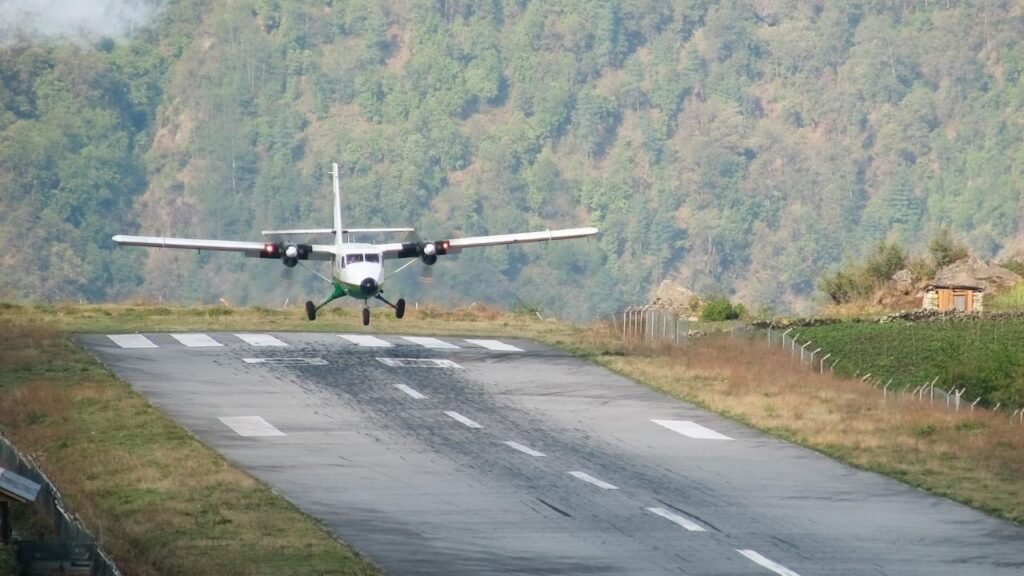
Timing also matters. Most Lukla flights are scheduled shortly after sunrise, when the air is generally calmer and skies are clearer. As the day warms up, cloud cover tends to build over the mountains, reducing visibility and increasing the likelihood of delays or cancellations. That is why it is rare to see Lukla flights operating late in the afternoon.
Weather is not the only reason flights are delayed. Lukla has one short runway and limited parking space, so aircraft must land, unload, reload, and depart quickly. During the busy trekking seasons, dozens of flights are competing for narrow weather windows. If poor weather delays operations for just a few hours, the backlog of passengers and aircraft can quickly grow.
Because of these factors, it is impossible to predict exactly how often flights are cancelled. Some trekkers fly in and out without any issues, while others may wait a day or two for suitable flying conditions. During prolonged periods of poor weather, delays can occasionally stretch to several days.
How the Season Affects Flight Reliability?
| Season | Flight Reliability | What to Expect |
| Spring (March–May) | Generally good, but busy | Stable weather overall, though morning congestion and occasional cloud build-up can still cause delays. |
| Autumn (Late Sept–Nov) | Best overall | Usually offers the clearest skies, but it’s also the busiest trekking season, so cancelled flights create long waiting lists. |
| Monsoon (June–August) | Lowest | Heavy rain, thick cloud, and poor visibility frequently disrupt flights, sometimes for multiple consecutive days. |
| Winter (December–February) | Moderate | Many clear mornings, but fog, frost, and occasional snowfall can still affect operations. |
What Happens If Your Flight Is Cancelled?
A cancelled Lukla flight does not mean your trek is over, it simply means you will need to wait for the next available opportunity. Most airlines automatically place passengers on the next available flight, but seats are limited.
During peak trekking seasons, thousands of trekkers may be waiting, so airlines generally work through existing passenger lists before accommodating new bookings. If weather improves after several cancelled departures, demand can exceed the number of available seats for a day or two.
Many trekkers choose to share a helicopter as an alternative. Although considerably more expensive than a regular flight, splitting the cost among several passengers can make it a practical option, especially if you have a fixed trekking schedule or an international flight to catch.
Helicopters can sometimes operate in conditions that prevent fixed-wing aircraft from flying, but they are still subject to weather restrictions and are never guaranteed. If you are waiting for another flight, you will usually need to arrange additional accommodation and meals, whether you are in Kathmandu or Ramechhap.
This is why experienced trekkers recommend adding at least two or three buffer days at the end of an Everest itinerary rather than booking an international departure immediately after the trek.
What You Should Do If Your Flight Is Cancelled
- Stay flexible. Flight schedules depend entirely on weather, not the published timetable.
- Follow your airline or trekking agency’s updates. They will handle rescheduling and notify you if seats become available.
- Consider sharing a helicopter if you are short on time and the cost fits your budget.
- Keep extra cash or a payment card available for unexpected accommodation, meals, or transport.
- Build 2–3 buffer days into your itinerary, especially before your international flight home. It is one of the simplest ways to avoid turning a weather delay into a missed connection.
For Everest trekkers, flight delays are not the exception, they are simply part of traveling in the Himalayas. Planning for that possibility from the start makes the experience far less stressful if the mountains decide not to cooperate.
How to Improve Your Chances of Flying on Time?
You cannot control the weather in the Himalayas, but you can make decisions that reduce the impact of delays and make your trip much smoother. These simple tips are followed by experienced trekkers and local guides for a reason.
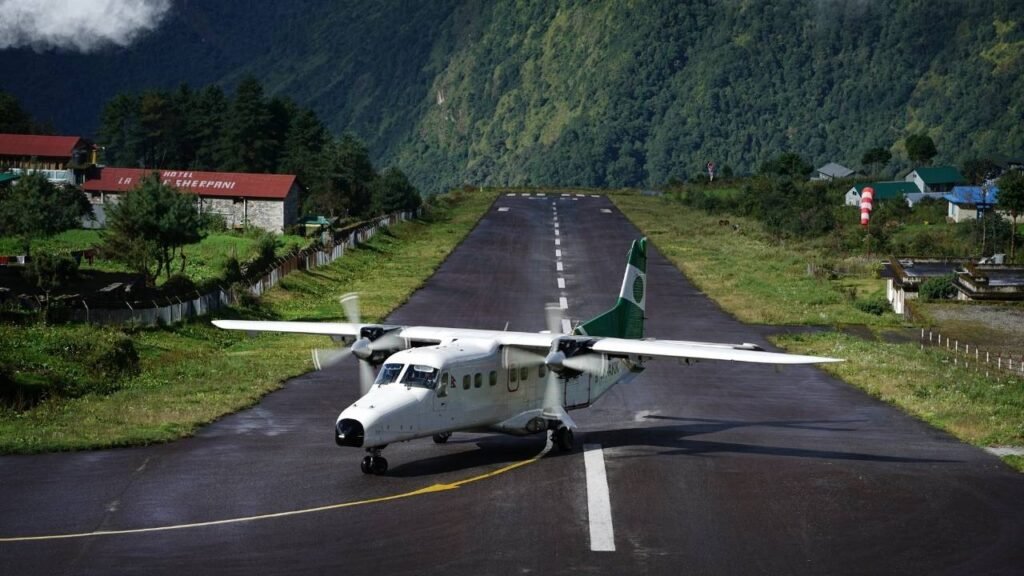
- Book the Earliest Flight Available
Morning flights have the best chance of operating because skies are usually clearer and winds are lighter. As the day progresses, clouds often build over the mountains, increasing the likelihood of delays or cancellations.
- Add 2–3 Buffer Days to Your Itinerary
This is the most important piece of advice for any Everest trek. Schedule at least two or three extra days before your international flight home. A weather delay in Lukla is far less stressful when you are not racing to catch another flight.
- Book Your Flight Early
During the spring and autumn trekking seasons, Lukla flights can fill up months in advance. Booking early gives you more flight options and increases your chances of getting a preferred departure time.
- Stay Flexible
Avoid making non-refundable bookings immediately before or after your Lukla flight. A flexible itinerary makes it much easier to deal with unexpected weather delays.
- Carry Extra Cash
Flight cancellations may mean paying for additional accommodation, meals, transport, or even sharing a helicopter. Having access to extra funds can save you a lot of stress.
- Pack Light
Mountain aircraft have strict weight limits. Keeping your luggage within the allowance helps avoid excess baggage fees and reduces the chance of your bag being left behind on a later flight.
- Keep an Eye on the Weather
While forecasts are not always perfect in the mountains, checking the weather before your travel day can give you a better idea of what to expect and help you prepare for possible delays.
- Travel During Stable Seasons
If your schedule allows, plan your trek in October, November, April, or early May, when weather is generally more stable and visibility is often better than during the monsoon.
- Buy Travel Insurance
Choose a policy that covers trip delays, cancellations, and helicopter evacuation. Weather-related disruptions are common enough that good insurance can easily pay for itself.
- Listen to Your Guide or Trekking Agency
Local guides and agencies deal with Lukla flights every trekking season. If they recommend changing your travel plans, taking an earlier transfer to Ramechhap, or waiting for better weather, it is usually based on experience rather than guesswork.
Baggage Rules You Should Know
Lukla flights use small aircraft with limited payload capacity, so baggage restrictions are much stricter than on larger domestic or international flights. While the exact allowance may vary slightly between airlines, most passengers are expected to keep their combined checked and hand luggage within 15 kg (33 lbs).
If your luggage exceeds the limit, you may be asked to pay an excess baggage fee, reduce your weight, or have part of your baggage sent on a later flight if space becomes available. During busy trekking seasons, when aircraft are operating at maximum capacity, overweight luggage is more likely to be delayed.
A good strategy is to pack only what you will actually use on the trek. Most trekkers carry a small daypack while their main duffel bag is transported separately by a porter.
Typical Lukla Flight Baggage Allowance
| Item | Typical Allowance |
| Checked Baggage | Around 10 kg (22 lbs) |
| Hand Luggage | Around 5 kg (11 lbs) |
| Combined Allowance | Approximately 15 kg (33 lbs) |
| Excess Baggage | Additional charges may apply if space is available |
| If Overweight | Pay excess fees, reduce weight, or send luggage on a later flight |
Tip: Always check the baggage policy of your airline before departure, as allowances and fees can change.
How Much Do Lukla Flights Cost?
The cost of a Lukla flight depends on your nationality, the season, and how you book. Foreign visitors typically pay a fixed tourist fare, while Nepali citizens benefit from significantly lower domestic prices.
If you are joining a guided Everest Base Camp trek, the flight is often included in the overall package, which means your trekking agency handles the booking and any schedule changes. Independent trekkers can book directly with airlines or through local travel agencies, which may provide better support if flights are disrupted.
Prices can also increase during the busy spring and autumn trekking seasons due to high demand. Booking early is the best way to secure a seat during these periods.
If you are unable to wait for the next available flight, a shared helicopter is the fastest alternative. While much more expensive than a plane ticket, splitting the cost among several passengers makes it a practical backup option for travelers on a tight schedule.
Typical Lukla Transportation Costs
| Option | Typical Cost (USD) |
| Kathmandu/Ramechhap → Lukla (Foreigners) | US$180–$230 one way |
| Kathmandu/Ramechhap → Lukla (Nepali Citizens) | Lower domestic fares (varies by airline) |
| Shared Helicopter | US$500–$800 per person (depending on passenger numbers) |
| Private Helicopter Charter | US$2,500–$4,000+ per flight |
While it may be tempting to choose the cheapest option, reliability and support can be just as important. A reputable trekking agency or experienced local booking agent can often make rescheduling much easier if bad weather disrupts your plans, which is valuable during the busiest trekking months.
Can You Reach Everest Without Flying to Lukla?
Yes. While flying to Lukla is the fastest and most popular way to reach the Everest region, it’s not your only option. If you’d rather avoid the uncertainty of mountain flights, or simply have more time, you can start your trek from the road-accessible towns of Salleri or Phaplu. Another alternative is taking a helicopter, which offers more flexibility but comes at a much higher cost.
Option 1: Drive to Salleri
Salleri is the district headquarters of Solukhumbu and the furthest point most vehicles can comfortably reach. The drive from Kathmandu typically takes 8–10 hours, depending on road conditions.
From Salleri, you will begin trekking through villages such as Nunthala and Bupsa before joining the classic Everest Base Camp trail near Phakding. This route adds about 3–4 trekking days compared to flying into Lukla.
Pros
- Avoids weather-related flight cancellations.
- Lower transportation cost than flying.
- More gradual altitude gain, which can help with acclimatization.
- Offers a quieter trekking experience through villages that many Everest trekkers never visit.
Cons
- Adds several days to your itinerary.
- Long and sometimes rough road journey.
- More physical effort before reaching the main Everest trail.
Option 2: Drive to Phaplu
Located just south of Salleri, Phaplu has both a road connection and a small airport. The drive from Kathmandu usually takes 8–9 hours, after which you will trek north to join the Everest Base Camp route. Compared with Salleri, starting from Phaplu typically adds 2–3 extra trekking days, depending on your itinerary.
Pros
- Avoids Lukla flight delays.
- Slightly shorter trek than starting from Salleri.
- Good option for trekkers who prefer a longer approach to Everest.
Cons
- Road conditions can still be challenging.
- Longer overall itinerary than flying.
- Fewer services compared to the main Lukla route during the first few days.
Option 3: Take a Helicopter
A helicopter is the fastest alternative when fixed-wing flights are delayed or cancelled. It can also be a convenient choice if you are short on time or want a more comfortable journey.
Many trekkers choose a shared helicopter, where several passengers split the total charter cost. While still significantly more expensive than a regular flight, it can be worthwhile if you are trying to avoid missing your trek or an international flight.
A private helicopter charter offers complete flexibility and can depart whenever weather conditions allow, making it popular with luxury trekkers, photographers, and groups.
Keep in mind that helicopters are not immune to bad weather. Poor visibility, strong winds, or storms can also delay helicopter operations, although they may be able to fly in conditions where fixed-wing aircraft cannot.
Comparing Your Options
| Option | Travel Time | Extra Trekking Days | Best For |
| Flight to Lukla | 30–35 minute flight | None | Most trekkers looking for the quickest route |
| Drive to Salleri | 8–10 hour drive | 3–4 days | Budget travelers, those with flexible schedules, and trekkers wanting a gradual approach |
| Drive to Phaplu | 8–9 hour drive | 2–3 days | Travelers avoiding flights but with slightly less time than the Salleri route |
| Shared Helicopter | Around 45–60 minutes | None | Trekkers with limited time or affected by flight cancellations |
| Private Helicopter | Around 45–60 minutes | None | Luxury travelers, private groups, and those wanting maximum flexibility |
For most people, flying to Lukla remains the most practical option. However, if you are worried about weather delays or prefer a slower journey through the lower Solukhumbu, starting from Salleri or Phaplu can be a rewarding experience. And if time is your highest priority, a shared helicopter provides the quickest backup plan when regular flights don’t operate.