
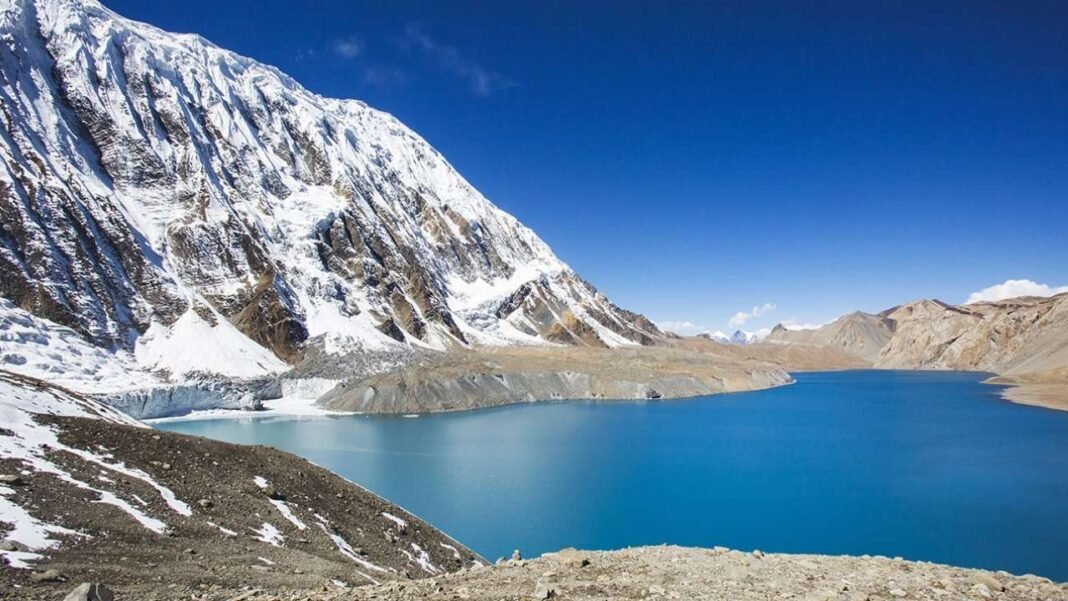

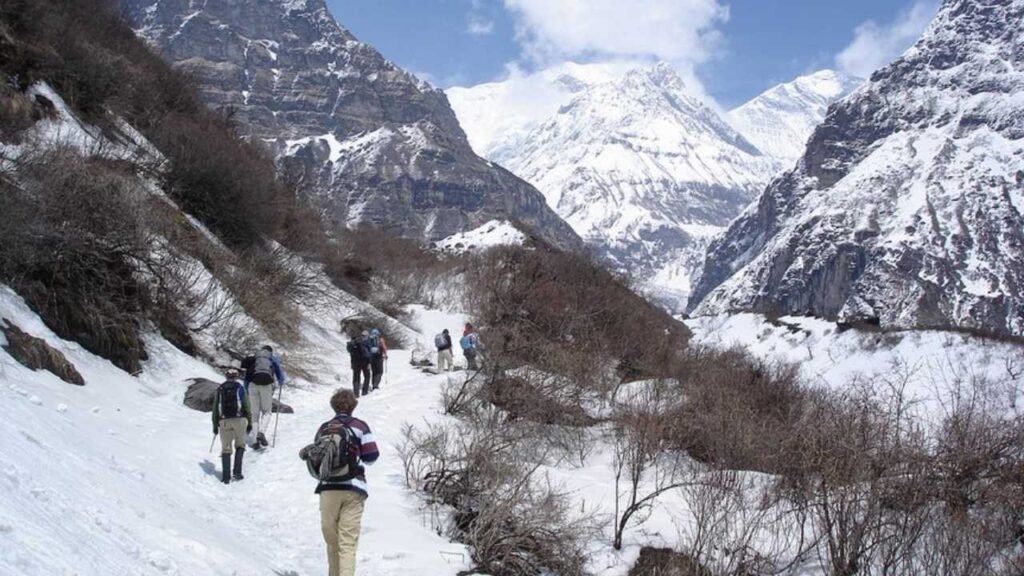
The headache started just above Namche Bazaar. At first, it felt insignificant, the kind of dull pressure most trekkers brush off after a long day climbing steep Himalayan trails. The trekker was young, athletic, and confident. He had trained for months before flying to Nepal. Half-marathons, gym sessions, stair workouts with a weighted backpack, physically, he felt more prepared than most people in his group heading toward Everest Base Camp. So when the headache appeared at 3,400 meters, he ignored it. Everyone else kept walking anyway. That is exactly how altitude sickness often begins in Nepal.
Not with a dramatic collapse. Not with immediate panic. Just a mild headache, slightly heavier breathing, poor sleep, and the quiet assumption that it will disappear tomorrow. But by the next morning, the symptoms had worsened. Nausea, dizziness, no appetite, and exhaustion from even small uphill sections. Within 24 hours, the same trekker who felt unstoppable in Lukla could barely carry his own backpack uphill. This is one of the most dangerous misconceptions in Himalayan trekking: altitude sickness has very little to do with fitness.
Elite athletes get it. Experienced trekkers get it. Even Everest climbers regularly battle Acute Mountain Sickness (AMS) during expeditions. In Nepal, where many trekking routes gain elevation rapidly over just a few days, altitude-related illness is one of the most common reasons hikers require evacuation or emergency descent. And the real danger is not always the symptoms themselves, it is the decision to ignore them.
Many trekkers keep ascending because they fear “ruining” the trek. Others feel pressure to stay with their group, avoid embarrassment, or push through discomfort after spending thousands of dollars to reach the Himalayas. But at high altitude, small mistakes can escalate frighteningly fast. Understanding what your body is telling you can be the difference between an unforgettable Himalayan adventure and a life-threatening emergency.
What Exactly Is Altitude Sickness?
Altitude sickness begins with something most trekkers never actually see: a drop in oxygen pressure. Contrary to popular belief, there is not “less oxygen” in the air high in the Himalayas. The percentage of oxygen remains roughly the same. What changes is air pressure. As you climb higher, the thinner air makes it harder for your body to absorb enough oxygen with every breath. Your lungs work harder, your heart pumps faster, and your body enters a constant state of adaptation.
At lower elevations, your body handles this adjustment easily. But once most trekkers climb above 2,500 meters (8,200 feet), the stress starts becoming noticeable. Headaches appear. Sleep becomes restless. Appetite drops. Energy levels crash faster than expected. This is why altitude sickness becomes one of the biggest challenges on Nepal’s famous trekking routes.
On trails like the Everest Base Camp trek, the Annapurna Circuit, the Manaslu Circuit, and even the Langtang Valley trek, elevation gain can happen surprisingly fast. Many trekkers go from low-altitude villages to sleeping above 4,000 meters within just a few days. Add long trekking hours, freezing nighttime temperatures, dehydration from dry mountain air, and physical exhaustion, and the body can quickly struggle to adapt.
But one of the biggest problems in Nepal’s trekking culture is psychological. People see dozens of other trekkers continuing uphill and assume suffering is normal. A headache becomes “just tiredness.” Nausea gets blamed on bad food. Dizziness is dismissed as exhaustion. Trekkers convince themselves they simply need more water, more tea, or one good night of sleep. Sometimes they are right. Sometimes they are already developing Acute Mountain Sickness (AMS).
And that distinction matters enormously. Because altitude sickness does not always arrive dramatically. In the Himalayas, serious symptoms often begin quietly, and the trekkers who get into trouble are usually the ones who mistake early warning signs for ordinary trekking discomfort.
The 3 Types of Altitude Sickness Trekkers Must Know
Not all altitude sickness is equally dangerous. Some symptoms are mild and manageable if treated early. Others can become fatal within hours if ignored. Understanding the difference is critical while trekking in Nepal, especially in remote mountain regions where medical facilities are limited, and evacuation may depend on weather conditions.
Acute Mountain Sickness (AMS)
Acute Mountain Sickness, commonly called AMS, is the most common form of altitude sickness and usually the first stage before more severe complications develop. Symptoms often begin gradually and may include:
- Persistent headache
- Nausea
- Loss of appetite
- Dizziness
- Fatigue or unusual exhaustion
- Difficulty sleeping
The dangerous part is how ordinary these symptoms initially feel. After an exhausting trekking day between villages like Namche Bazaar, Manang, or Dingboche, many hikers assume headaches and fatigue are simply part of the experience. But AMS is not normal trekking discomfort. A healthy body should gradually adapt to altitude. When symptoms continue worsening instead of improving with rest, your body is signaling that it is struggling to acclimatize properly.
HAPE (High Altitude Pulmonary Edema)
HAPE is one of the deadliest altitude-related conditions in the mountains.
It occurs when fluid begins building inside the lungs, making oxygen absorption increasingly difficult. A trekker with HAPE may initially notice breathlessness during uphill climbs, but symptoms can escalate frighteningly fast. Warning signs include:
- Shortness of breath even while resting
- Wet or crackling cough
- Chest tightness
- Gurgling breathing sounds
- Extreme weakness and exhaustion
Trekkers with HAPE often describe feeling as though they are suffocating slowly.
This condition kills people who continue ascending despite symptoms. Immediate descent is essential.
HACE (High Altitude Cerebral Edema)
HACE is the most severe form of altitude sickness and a true medical emergency.
It happens when the brain begins swelling due to lack of oxygen. Mental function rapidly deteriorates, and without immediate treatment, HACE can become fatal. Symptoms include:
- Confusion
- Slurred speech
- Hallucinations
- Loss of coordination
- Difficulty walking in a straight line
- Unusual behavior or irrational decisions
One of the terrifying realities of HACE is that the affected trekker may no longer realize how sick they are. Friends, guides, or trekking partners are often the first to recognize something is seriously wrong. At this stage, immediate descent and emergency evacuation may become life-saving.
| Condition | Severity | Common Symptoms | Required Action |
| AMS | Mild to Moderate | Headache, nausea, fatigue, dizziness, poor sleep | Stop ascending, rest, monitor symptoms |
| HAPE | Severe | Breathlessness even at rest, wet cough, chest tightness | Immediate descent and medical help |
| HACE | Critical | Confusion, coordination loss, hallucinations | Emergency evacuation and urgent descent |
How Rescue and Evacuation Actually Works in Nepal?
One of the biggest misconceptions trekkers have about altitude sickness in Nepal is assuming rescue will be immediate, simple, or guaranteed. In reality, evacuation in the Himalayas depends on weather, communication, terrain, altitude, and timing. And when symptoms escalate quickly, those variables suddenly become terrifyingly important.
In regions like Everest Base Camp, helicopter evacuations are relatively common because there are no roads connecting high-altitude villages to hospitals. If a trekker develops severe AMS, HAPE, or HACE above places like Dingboche, Lobuche, or Gorakshep, descending on foot may become difficult or impossible. That is where rescue helicopters come in. But helicopters in Nepal are heavily weather-dependent. Strong winds, snowstorms, cloud cover, or poor visibility can ground flights for hours, sometimes entire days.
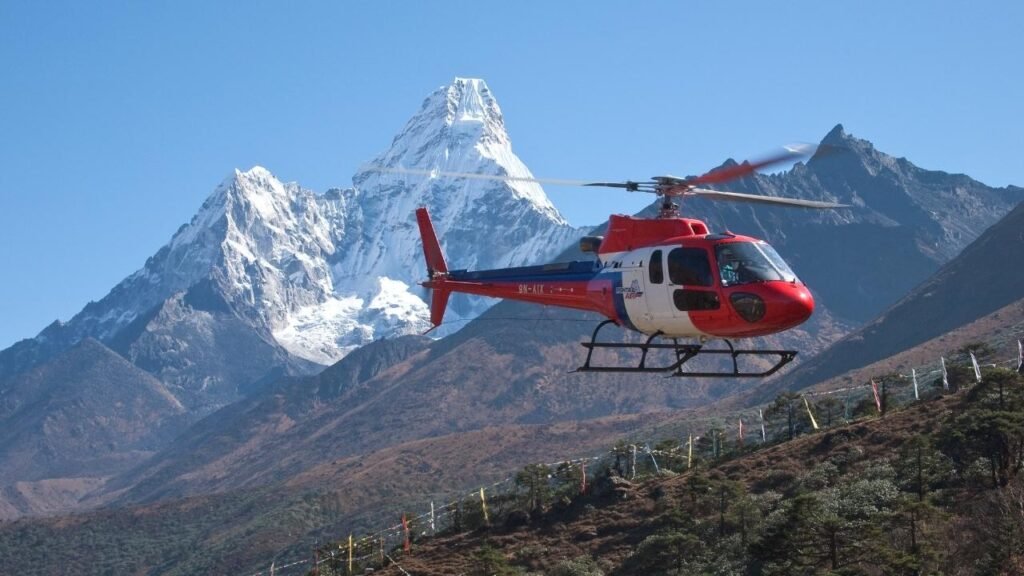
During peak trekking seasons, rescue helicopters may also be occupied with multiple evacuations across the Khumbu region simultaneously. And without proper travel insurance, the costs can be brutal. Emergency helicopter evacuation in Nepal can easily cost several thousand dollars, depending on altitude and location. Many trekkers make the mistake of buying cheap travel insurance policies without reading the altitude clauses carefully. Some policies only cover trekking up to certain elevations.
Others require prior approval before evacuation. Some refuse claims if the trekker ignored medical advice and continued ascending despite symptoms. That fine print matters enormously at 5,000 meters. This is also where experienced trekking guides become incredibly valuable. A good guide does far more than navigate trails. During altitude emergencies, guides monitor symptoms, make descent decisions, coordinate communication with rescue operators, arrange horses or porters if necessary, and often recognize danger long before trekkers admit something is wrong.
Tea houses also play a surprisingly important role during emergencies in Nepal. In remote villages, lodge owners are often the first people helping sick trekkers, providing oxygen, warm rooms, hot fluids, or assisting with rescue calls through satellite phones and local communication networks. This is the reality of high-altitude trekking in Nepal: When altitude sickness becomes severe, your safest decision is almost always the fastest descent possible, not waiting to “see if it improves tomorrow.”
The Biggest Mistakes Trekkers Make at High Altitude
The Himalayas are full of strong, confident people making terrible decisions. And most altitude-related emergencies in Nepal begin with the same phrase: “I thought I’d be fine.”
“I’m Fit, So I’ll Be Fine”
This is probably the most common and dangerous misconception in trekking culture.
Fitness helps you walk longer. It helps you recover faster physically. But altitude sickness is not about strength, endurance, or gym performance. It is about how your body responds to reduced oxygen pressure, and that response is highly individual. Marathon runners get AMS. Professional athletes get AMS. Even elite mountaineers acclimatize carefully because the body cannot “out-train” altitude. In fact, very fit trekkers sometimes get into more trouble because they ascend too quickly.
Ascending Too Fast
Nepal’s trekking routes can gain elevation aggressively over a short period of time.
On the Everest Base Camp trek, many hikers go from Lukla to Namche Bazaar and continue upward while underestimating how rapidly altitude stress accumulates. On the Annapurna Circuit, trekkers pushing too quickly toward Thorong La Pass often ignore early warning signs because they are focused on staying on schedule. The mountain does not care about your itinerary.
Ignoring Acclimatization Days
Acclimatization days in places like Namche Bazaar and Manang are not “rest days for weak trekkers.” They are physiological adaptation days. Your body needs time to:
- increase breathing efficiency
- adjust oxygen transport
- and gradually cope with lower oxygen pressure
Skipping acclimatization days to save time is one of the fastest ways to increase altitude sickness risk.
Drinking Alcohol at Altitude
Many trekkers celebrate long hiking days with beers or local raksi at tea houses. At sea level, that might seem harmless. At 4,000 meters, it becomes a terrible recovery strategy. Alcohol worsens dehydration, disrupts sleep quality, and can mask early AMS symptoms. Some trekkers mistake alcohol-related headaches and poor sleep for normal altitude discomfort, delaying important decisions.
Sleeping Too High Too Quickly
Your sleeping altitude matters more than your daytime hiking altitude.
A trekker may feel completely fine during the day but deteriorate rapidly overnight after ascending too aggressively. This is why experienced guides monitor sleeping elevation carefully throughout Himalayan expeditions.
Trusting Pulse Oximeters Too Much
Pulse oximeters have become extremely common on Nepal trekking routes, especially in the Everest region. But oxygen saturation numbers alone do not diagnose altitude sickness. A trekker can show relatively “acceptable” oxygen readings while still developing dangerous AMS symptoms. Others may display low oxygen saturation yet feel stable and acclimatized.
Symptoms matter more than numbers. If your headache worsens, coordination declines, appetite disappears, or breathing becomes difficult, your body is telling you something important, regardless of what a small device clipped to your finger says.
How to Prevent Altitude Sickness in Nepal?
The best treatment for altitude sickness is prevention. And despite all the medications, oxygen systems, and evacuation protocols available in Nepal today, the safest trekkers are usually the ones who understand one simple truth early: The Himalayas reward patience and punish arrogance. Most altitude problems on Nepal’s trekking routes are not caused by bad luck. They happen because trekkers ascend too quickly, ignore symptoms, underestimate recovery, or treat acclimatization like an optional inconvenience instead of a biological necessity. Fortunately, a few disciplined habits dramatically reduce your risk.
Follow the “Climb High, Sleep Low” Principle
One of the oldest rules in mountaineering is also one of the most effective.
The idea is simple: during acclimatization days, climb to a higher elevation temporarily, then descend back down to sleep. This exposes your body to altitude stress while still allowing partial recovery at a lower sleeping elevation. That is why acclimatization hikes above Namche Bazaar, Dingboche, and Manang are built into many trekking itineraries across Nepal. Sleeping altitude matters enormously because the body struggles most during overnight recovery. A trekker may feel strong while hiking uphill during the day, but deteriorate rapidly after sleeping too high too quickly.
Respect Acclimatization Days
Acclimatization is not just “getting used to the mountains.” Your body is actively making physiological adjustments:
- breathing faster to absorb more oxygen
- increasing heart rate
- producing more red blood cells
- and changing how oxygen is transported through tissues
None of this happens instantly. When trekkers skip acclimatization days to shorten itineraries, they are essentially forcing the body into oxygen debt faster than it can adapt. This is why experienced guides take acclimatization schedules so seriously on routes like Everest Base Camp and the Annapurna Circuit. The mountain does not care about your return flight date.
Go Slower Than Your Ego Wants
This is where many trekkers lose the battle against altitude. You feel strong in the morning. The weather looks clear. Other hikers are overtaking you on the trail. Suddenly, slowing down feels frustrating, even embarrassing. But high altitude trekking is not a race. Many experienced Himalayan guides intentionally walk slower than inexperienced trekkers expect. They understand that conserving energy, controlling breathing, and allowing gradual adaptation are more important than covering distance quickly. Ironically, the trekkers who move slowly often perform better at high altitude than the ones aggressively pushing ahead.
Eat Even When You Don’t Feel Hungry
Altitude suppresses appetite. At elevations above 3,500 meters, many trekkers lose interest in food completely. Unfortunately, that becomes dangerous because the body is already burning enormous amounts of energy trying to adapt to reduced oxygen levels and cold temperatures.
Skipping meals accelerates weakness and slows recovery. Even when appetite disappears, maintaining regular carbohydrate-heavy meals can help sustain energy and support acclimatization. This is one reason dal bhat remains such a staple food on Nepal trekking routes, it provides steady calories, hydration, and salt replacement at altitude.
Hydration Strategy Matters More Than People Think
Most trekkers hear the same advice repeatedly: “Drink more water.” But hydration at altitude is more nuanced than simply forcing yourself to consume huge amounts of water. The cold, dry Himalayan air increases fluid loss through breathing and sweat evaporation, even when trekkers do not feel particularly sweaty. At the same time, excessive water intake without replacing electrolytes can create its own problems, including nausea and imbalance. Good hydration at altitude means consistency, not obsession. Warm fluids, soups, electrolytes, herbal teas, and regular water intake throughout the day are usually more effective than suddenly chugging liters of water at night after becoming dehydrated. Clear urine alone is not proof that you are acclimatizing well.
Prioritize Sleep and Recovery
Sleep often becomes frustrating at altitude.
Trekkers wake repeatedly during the night, breathing patterns change, and the body struggles to fully recover in oxygen-poor environments. Poor sleep then compounds fatigue, headaches, irritability, and AMS symptoms the following day. This creates a dangerous cycle: less recovery leads to weaker adaptation, which leads to worsening symptoms. Simple recovery habits matter more than many trekkers realize:
- staying warm overnight
- avoiding alcohol
- eating properly before sleep
- and maintaining conservative trekking pace
Recovery is part of acclimatization, not separate from it.
Pre-Trek Conditioning Helps, But Only to a Point
Physical training before a Nepal trek absolutely matters.
Stronger legs, better endurance, cardiovascular fitness, and backpack conditioning all make trekking more manageable. Fit trekkers usually recover faster physically and handle long hiking days better. But fitness does not make you immune to altitude sickness. This is one of the hardest lessons for highly athletic trekkers to accept. You cannot “train away” reduced oxygen pressure. The body still requires time to adapt, no matter how strong or experienced you are.
In the Himalayas, humility is often a better survival skill than confidence.
What Altitude Sickness Feels Like Mentally?
Most trekkers prepare for the physical difficulty of the Himalayas. Far fewer are prepared for the psychological experience of altitude. Because altitude sickness is not just a headache or shortness of breath. At high elevations in Nepal, it can begin affecting your emotions, judgment, confidence, and mental clarity in deeply unsettling ways. The first thing many trekkers notice is anxiety. At sea level, breathing is automatic and invisible. But high in the mountains especially above 4,000 meters, breathing suddenly becomes something you constantly think about.
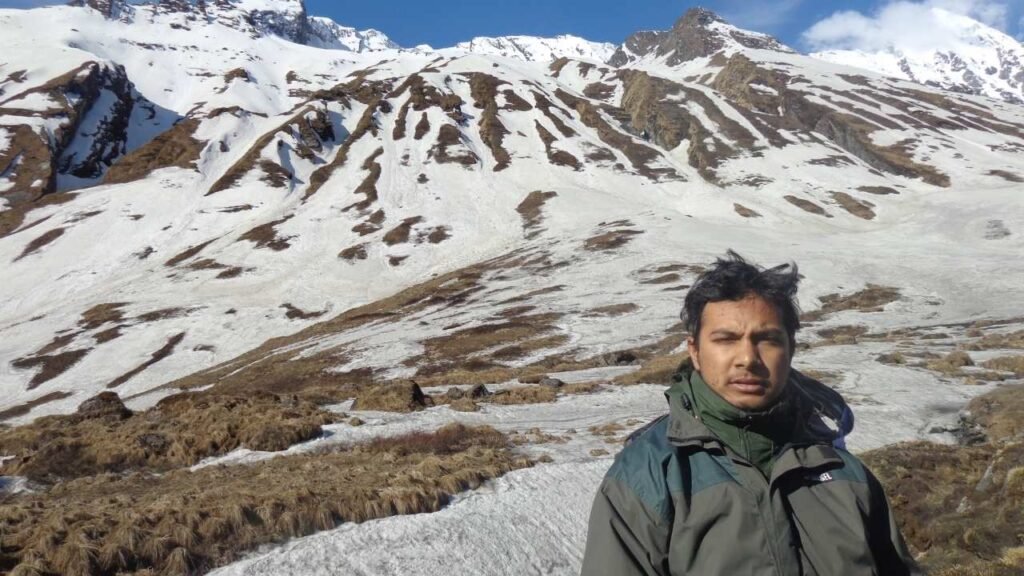
At night inside a cold tea house room in places like Lobuche or Thorong Phedi, the thin air can make every breath feel strangely inadequate. Some trekkers wake repeatedly during sleep feeling like they briefly stopped breathing. Others experience racing heartbeats that become impossible to ignore in the silence of the mountains. Then comes the brain fog. Simple decisions feel harder. Conversations require more concentration. Trekkers forget basic things, lose motivation to eat, or struggle to judge whether their symptoms are becoming dangerous.
Emotional stability also changes surprisingly fast at altitude. Small frustrations suddenly feel overwhelming. Minor discomfort creates panic. Some trekkers become unusually withdrawn or irrational without fully realizing it. And the isolation intensifies everything. At high altitude in Nepal, you are often surrounded by enormous silence, freezing temperatures, and unfamiliar terrain far from proper medical facilities. During the night, you may hear rescue helicopters echoing through the valley darkness while wondering whether your own symptoms are serious enough to descend.
That uncertainty is psychologically exhausting. This is one reason experienced trekkers emphasize early communication so strongly. Altitude sickness becomes far more dangerous when people suffer quietly because they fear slowing down the group or appearing weak.
In the Himalayas, honesty about how you feel can become a survival skill.
Conclusion: The Smartest Trekkers Know When to Turn Around
Altitude sickness is one of the few dangers in trekking that does not care how motivated, experienced, or physically strong you are. In Nepal, the mountains expose impatience quickly. The trekkers who struggle most are often not the weakest ones, they are the ones who ignore symptoms, rush acclimatization, or convince themselves that determination alone can overpower altitude. But the Himalayas do not reward stubbornness. They reward awareness, patience, humility, and good decision-making.
The important thing to understand is that getting mild altitude sickness during a trek in Nepal is not unusual. Thousands of trekkers experience headaches, poor sleep, fatigue, or nausea every trekking season. What matters is how you respond when those symptoms appear. The safest trekkers are usually the ones willing to slow down early, communicate honestly, rest when needed, and descend before symptoms become dangerous. Ironically, those decisions often allow them to recover faster and continue trekking safely later.
And if turning around becomes necessary, that does not mean your trek “failed.” One of the biggest mental shifts in Himalayan trekking is realizing that descending is sometimes the most experienced decision a person can make. Mountains like Everest, Annapurna, and Manaslu are not competitions to conquer at all costs. They are environments that demand respect. The trail will still be there next season. The viewpoint will still exist next year.
But your ability to enjoy those mountains safely depends entirely on the decisions you make while your body is under stress at altitude. Trek slowly. Listen to your symptoms honestly. Respect acclimatization. And never let ego make medical decisions for you in the Himalayas.
Because in Nepal, the smartest trekkers are not always the ones who reach the highest point.
They are the ones who make it home safely with stories worth telling.