
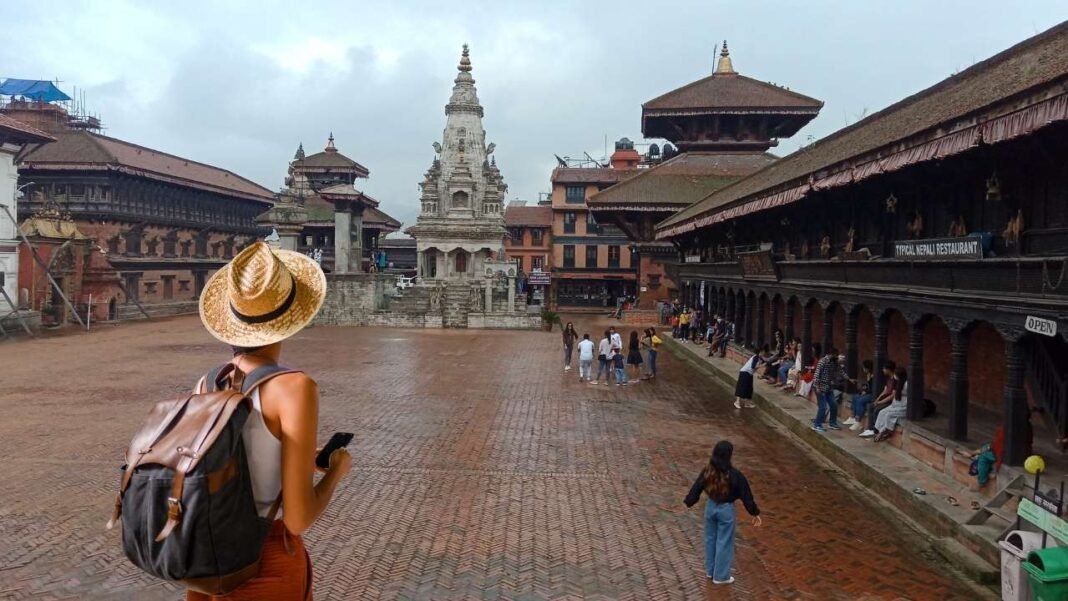

If you’re trying to squeeze the maximum adventure out of every dollar, Nepal is hard to beat. Few countries let you trek beneath the world’s highest mountains, explore ancient temples, spot rhinos in the jungle, and still stick to a backpacker budget.
On a typical trip, you can get by on around $20 to 35 per day if you’re staying in budget guesthouses, eating local food, and using public transportation. Prefer private rooms, tourist buses, and the occasional café break? A more comfortable budget is usually $40 to 80 per day.
Compared to Thailand, Nepal is often cheaper once you leave the main tourist hubs. Vietnam can be slightly less expensive for food and transportation, while Bhutan sits in a completely different price category. India may offer lower prices in some areas, but Nepal is often easier to navigate as a backpacker.
What makes Nepal special isn’t that everything is dirt cheap, it’s that the experiences are incredibly affordable for what you get. A plate of dal bhat, a mountain-view tea house, or a week-long trek can deliver memories that feel far more expensive than they actually are.
That said, Nepal has a few budget traps. Many travelers underestimate trekking costs, domestic flights, permit fees, and the higher prices you’ll encounter as you gain altitude. A cheap trip can suddenly become much less cheap if you don’t plan ahead.
The good news? Once you understand where the money goes, Nepal becomes one of the easiest countries in Asia to travel longer, see more, and spend less.
The Biggest Budget Mistake Solo Travelers Make in Nepal
The biggest budget mistake in Nepal isn’t spending too much money in one go, it’s losing small amounts of money every day without noticing.
It usually starts with transportation. You arrive expecting Nepal to be cheap, then discover that getting around a mountainous country isn’t always budget-friendly. A few tourist bus upgrades, private taxis, or a last-minute domestic flight can easily add hundreds of dollars to your trip budget.
Tourist hotspots can quietly drain your wallet too. Areas like Thamel in Kathmandu or Lakeside in Pokhara are full of convenience, but convenience comes with a markup.
A few extra coffees, Western meals, and impulse purchases may not seem like much, but over two or three weeks, they add up surprisingly fast.
Trekking is another common budget trap. Many solo travelers leave arrangements until the last minute, only to pay more for guides, permits, transportation, or gear rentals. Nepal rewards travelers who plan ahead, especially during the busy trekking seasons.
Then there are the sneaky costs. ATM withdrawal fees may seem minor when you’re paying them once, but withdrawing small amounts repeatedly can chip away at your budget. The same goes for bank exchange charges that many travelers never calculate.
Finally, there’s the temptation of domestic flights. Flying can save time, especially on routes connected to major treks, but relying on flights instead of buses or shared transportation can dramatically increase your overall spending.
None of these expenses are particularly expensive on their own. The problem is that they stack together. An extra $5 here, $10 there, and a few unnecessary upgrades can easily turn a $25-per-day backpacking trip into a $45-per-day trip.
Over a month in Nepal, that’s the difference between staying within budget and wondering where several hundred dollars disappeared.
Choosing the Right Transport: Cheapest, Fastest, or Best Value?
The cheapest option in Nepal is often not the cheapest trip. Long journeys, mountain roads, weather delays, and gear failures can turn a small saving into a bigger expense later.
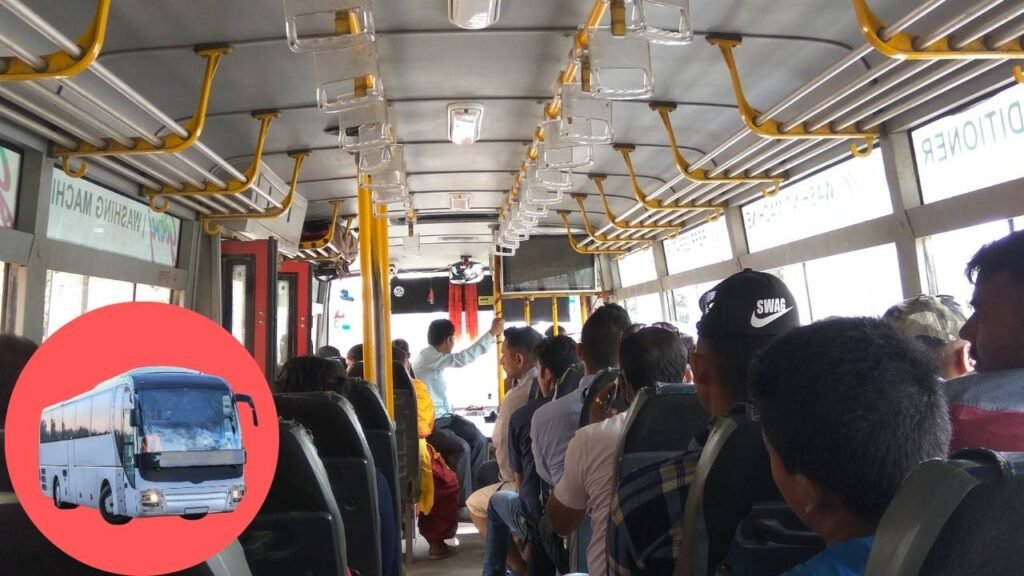
For most solo travelers, tourist buses are the best default choice. They cost more than local buses, but the extra comfort, fewer stops, and easier logistics usually make them the best value on popular routes.
| Route | Cheapest | Fastest | Best Value |
| Kathmandu → Pokhara | Local Bus | Flight | Tourist Bus |
| Pokhara → Chitwan | Local Bus | Tourist Bus | Tourist Bus |
| Kathmandu → Lumbin | Local Bus | Flight | Tourist Bus |
Where Paying More Actually Saves Money?
- Tourist Bus Instead of Local Bus: On long routes, the small price difference can buy you a more reliable schedule, less fatigue, and fewer unexpected taxi or hotel costs caused by delays.
- Decent Trekking Gear Rental Instead of the Absolute Cheapest Option: Cheap boots, sleeping bags, or jackets that fail in cold weather can force emergency purchases in mountain towns, where prices are higher and choices are limited.
- Flights During Serious Monsoon Disruptions: Flights are expensive, but repeated road closures, cancellations, and extra hotel nights can sometimes cost more than the ticket you were trying to avoid.
- Private Room Instead of the Cheapest Dorm Every Night: If poor sleep leaves you taking unplanned rest days, buying extra coffee, or changing accommodation mid-trip, the “cheap” dorm can end up costing more than a modest private room.
A simple rule works surprisingly well in Nepal: pay extra when it reduces the chance of expensive disruptions (missed connections, weather delays, gear failures, or burnout). Pay less when the trade-off is only comfort and not reliability.
Sleep Smart: Budget Accommodation and Tea House Costs
Nepal makes it surprisingly easy to sleep cheaply without sacrificing too much comfort. In cities like Kathmandu and Pokhara, hostel dorms usually cost $4 to 10, while budget guesthouses and family-run lodges often offer private rooms for $8 to 20. During off-season months, don’t be afraid to negotiate, especially if you’re staying multiple nights.
Things get more interesting on trekking routes. Tea houses may offer rooms for just a few dollars, and sometimes almost for free. Sounds like a bargain, right? The catch is that accommodation isn’t where they make their money.
Instead, tea houses rely on food and extra services. As you climb higher, the cost of transporting supplies increases, so meals become progressively more expensive. You’ll also encounter charges for:
- Hot showers
- Wi-Fi access
- Charging electronics
- Bottled water
These small fees can quietly add $5 to 15 to your daily trekking budget. The pattern is most noticeable in the Everest region, somewhat cheaper in Annapurna, and generally more budget-friendly in Langtang. That’s why experienced trekkers don’t judge a tea house by its room price alone; they look at the total daily cost.
The takeaway is simple: focus on overall value, not the cheapest bed. A guesthouse with a better location or a tea house with reasonable food prices will often save you more money in the long run.
Eat Like a Local and Watch the Small Expenses
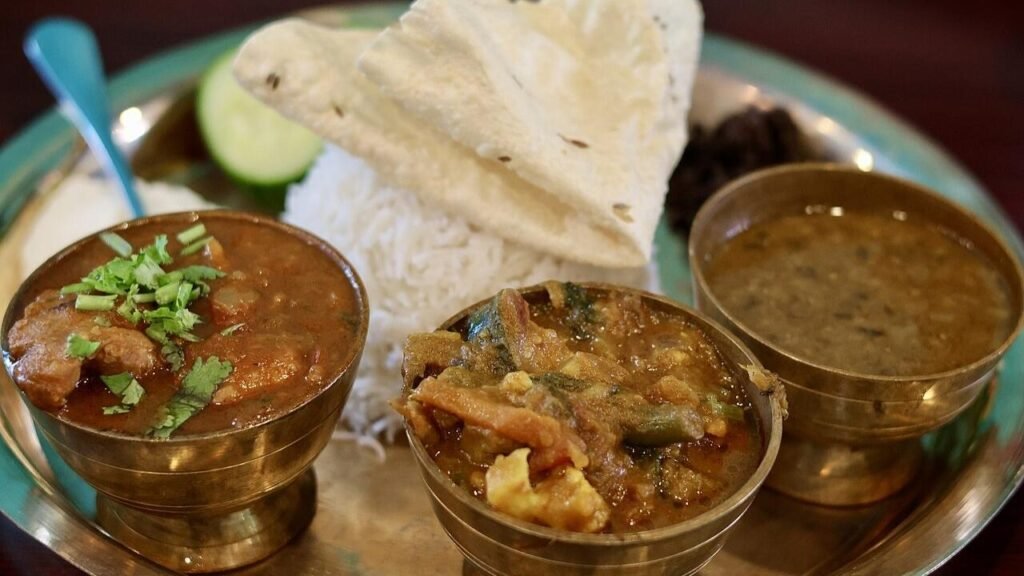
If there’s one secret weapon for budget travel in Nepal, it’s dal bhat. This traditional meal of rice, lentils, vegetables, and curry is filling, widely available, and often comes with free refills. While a Western breakfast or burger can easily cost two to three times more, dal bhat delivers the best value-for-money meal you’ll find in the country.
Street food and local restaurants are also your friends. Momos, chow mein, thukpa, and local set meals are usually far cheaper than meals in tourist cafés, where prices often reflect the view as much as the food. There’s nothing wrong with treating yourself occasionally, but making tourist restaurants your daily habit can quietly double your food budget.
The bigger threat, however, isn’t usually meals, it’s the collection of tiny expenses that seem harmless at the time. A bottle of water here, a coffee there, a few snacks for tomorrow’s bus ride, a laundry service, a SIM top-up, or a small souvenir can quickly add up.
Consider this: spending just $3 to 5 extra per day on coffee, snacks, and impulse purchases doesn’t sound like much. Over a three-week trip, that’s an additional $60 to 100 to often enough to pay for several extra nights of accommodation or a significant portion of a trek.
The goal isn’t to avoid these purchases altogether. It’s simply to notice them. Most backpackers don’t blow their budget on one expensive decision; they lose it through dozens of small ones.
Eat local most of the time, enjoy the occasional splurge, and keep an eye on the little costs that tend to follow you around Nepal like a persistent trekking companion.
Trek Smarter: How to Cut Costs Without Sacrificing the Experience
Trekking is where your Nepal budget can either stay under control or completely run wild. The good news? A few smart decisions can save you hundreds of dollars without reducing the quality of your adventure.
The first decision is whether to trek independently or hire a guide. Independent trekking is usually the cheaper option where regulations allow it, but guides can make financial sense for difficult routes, first-time trekkers, or anyone wanting logistical support.
If you’re traveling solo, joining a small group is often the sweet spot, you split guide costs while still getting the benefits of local expertise.
Another easy win is renting gear instead of buying it. In Kathmandu and Pokhara, quality down jackets and sleeping bags can be rented for a fraction of what you’d pay to purchase them.
Unless you’re planning multiple Himalayan treks, renting usually offers far better value.
Your trek choice also has a huge impact on costs:
| Trek | Typical Cost | Budget Value |
| Everest Base Camp Trek | Highest | Moderate |
| Annapurna Circuit Trek | Moderate | Excellent |
| Annapurna Base Camp Trek | Moderate | Very Good |
| Langtang Valley Trek | Lower | Excellent |
| Mardi Himal trek | Lower | Excellent |
Everest Base Camp delivers iconic scenery, but you’re also paying Everest prices.
Accommodation, food, and transportation generally cost more than in other trekking regions. If your goal is maximizing value rather than collecting famous destinations, alternatives such as Langtang Valley and Mardi Himal often provide a better return on your money.
For example, Langtang offers mountain views, traditional villages, glaciers, and a genuine Himalayan trekking experience at a significantly lower cost than Everest. Similarly, Mardi Himal delivers spectacular Annapurna panoramas without the crowds or expenses often associated with Annapurna Base Camp.
The same principle applies beyond trekking. A village homestay can provide a more authentic experience than an expensive mountain resort, often at a fraction of the price.
The key lesson is simple: don’t confuse the most famous adventure with the best value. Nepal is full of incredible trekking routes, and some of the most rewarding experiences happen on trails that cost far less than the country’s headline attractions.
Timing and Money: Two Budget Mistakes That Catch Travelers Off Guard
Many travelers spend hours hunting for cheap accommodation and transportation, then quietly lose money through poor cash management and bad timing.
First, Nepal is still more cash-dependent than many visitors expect. While cards are widely accepted in major tourist areas, many trekking regions, local businesses, and smaller towns operate largely on cash.
One of the most common mistakes is starting a trek without enough money and discovering there are few or no reliable ATMs along the route.
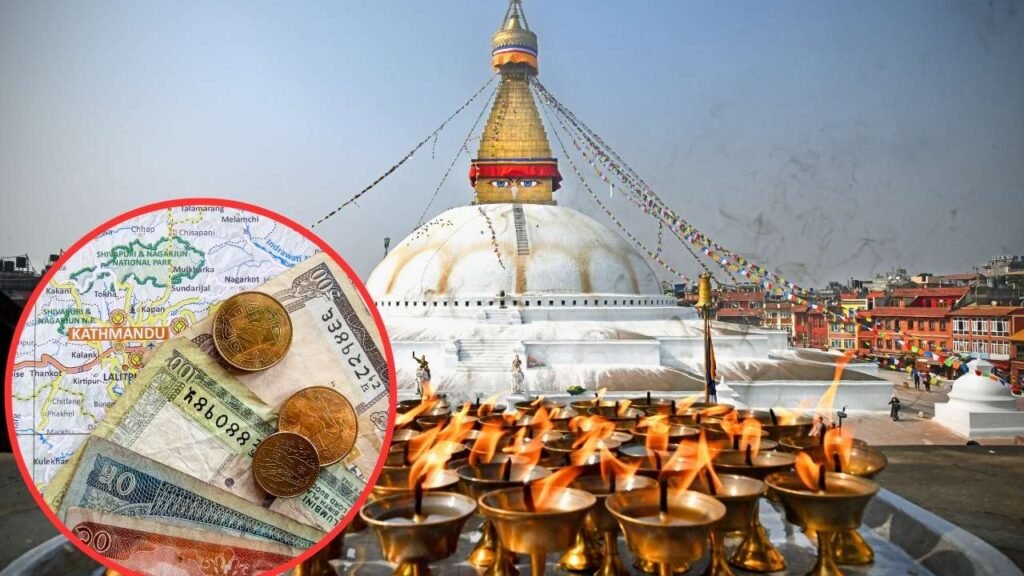
ATM fees can also add up quickly. Instead of making multiple small withdrawals throughout your trip, it’s usually more economical to withdraw larger amounts less frequently.
Before exchanging currency, compare rates as well; airport exchanges and poorly located exchange counters are rarely the best deal.
Timing matters just as much as money management. October and November offer Nepal’s best trekking conditions, but they also bring the highest prices, busiest trails, and strongest demand for accommodation.
March and April provide a good balance of pleasant weather, manageable crowds, and slightly better availability. If your priority is stretching your budget as far as possible, consider the off-season months.
Accommodation prices are often lower, and negotiating becomes easier. The trade-off, of course, is that monsoon weather can disrupt transportation, reduce mountain visibility, and occasionally lead to flight delays or road closures.
For most budget-conscious travelers, the shoulder seasons strike the best balance. You’ll often spend less than peak-season visitors while still enjoying good trekking conditions and fewer crowds.
The bottom line? Nepal rewards travelers who think ahead. Carry enough cash for remote areas, avoid unnecessary ATM fees, and choose your travel season carefully. Those simple decisions can save you far more money than endlessly searching for the cheapest guesthouse.
What Does a Solo Trip to Nepal Actually Cost?
By now, you’ve probably realized that Nepal can be as cheap or as expensive as you make it. To put everything into perspective, here are some realistic budget scenarios.
- 7-Day Budget Traveler
If you’re staying in hostels or budget guesthouses, eating mostly local food, using tourist buses, and doing sightseeing rather than major treks, you can comfortably spend around $200 to 350 for the week.
- 14-Day Backpacker
A two-week trip that includes a short trek, private rooms most nights, occasional café visits, and intercity transportation typically falls between $500 to 900. This is where many solo travelers land, balancing comfort and cost without constantly watching every dollar.
- 30-Day Slow Traveler
Traveling slowly is often the best value. Spending a month in Nepal allows you to negotiate accommodation, use fewer flights, and avoid rushed itineraries. Depending on your trekking plans, a realistic monthly budget ranges from $800 to 1,500+.
The biggest variables are trekking region, transportation choices, and how often you choose convenience over savings. A single domestic flight or Everest trek can have a larger impact on your budget than a week of careful spending elsewhere.
Is Spending More Worth It?
Sometimes yes, sometimes absolutely not.
Spending an extra few dollars on a better guesthouse, a tourist bus, or reliable trekking gear often improves your experience significantly. Better sleep, safer transportation, and warmer nights in the mountains are upgrades most travelers rarely regret.
On the other hand, paying premium prices for Western food every day, unnecessary domestic flights, or luxury accommodation in destinations you’re barely spending time in often provides surprisingly little additional value.
A budget traveler in Nepal might spend $20 to 35 per day, while a comfort-focused traveler may spend $50 to 80+ per day. The comfort traveler will enjoy private rooms, more convenient transportation, and greater flexibility, but they won’t necessarily have better adventures.
That’s one of Nepal’s biggest strengths. Unlike many destinations where memorable experiences come with a hefty price tag, Nepal allows you to stand beneath Himalayan peaks, explore ancient cities, and trek through remote mountain villages without spending a fortune.
Often, the smartest travel budget isn’t the cheapest one, it’s the one that spends money where it genuinely improves the journey.