

There is no single best month to visit Nepal because the ideal time depends entirely on the experience you’re looking for. A trekker hoping for crystal-clear Himalayan views, a wildlife enthusiast visiting national parks, and a budget traveler searching for lower prices may all prefer different months.
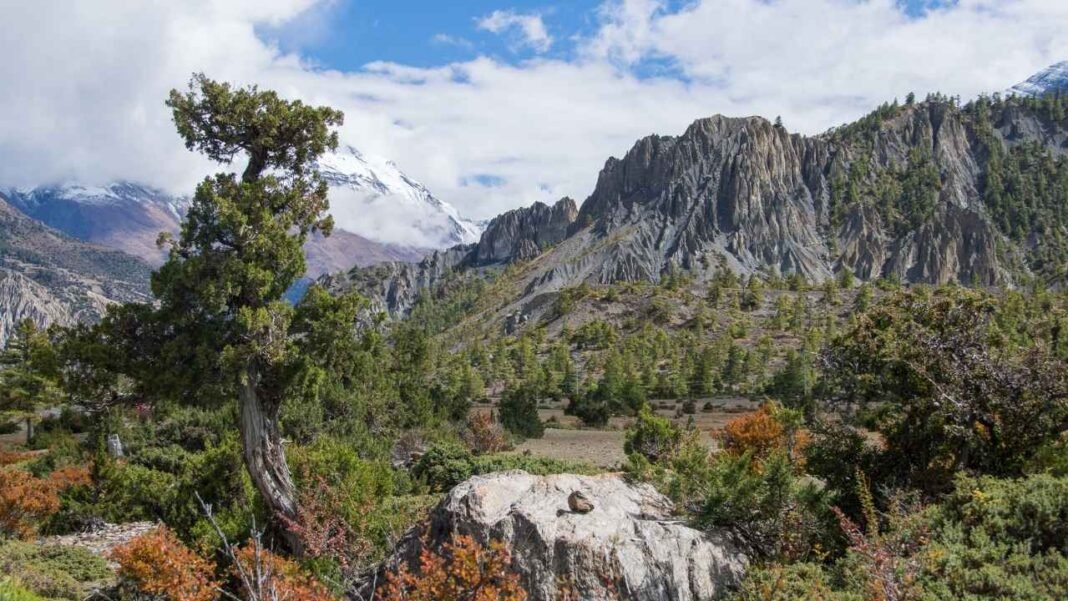
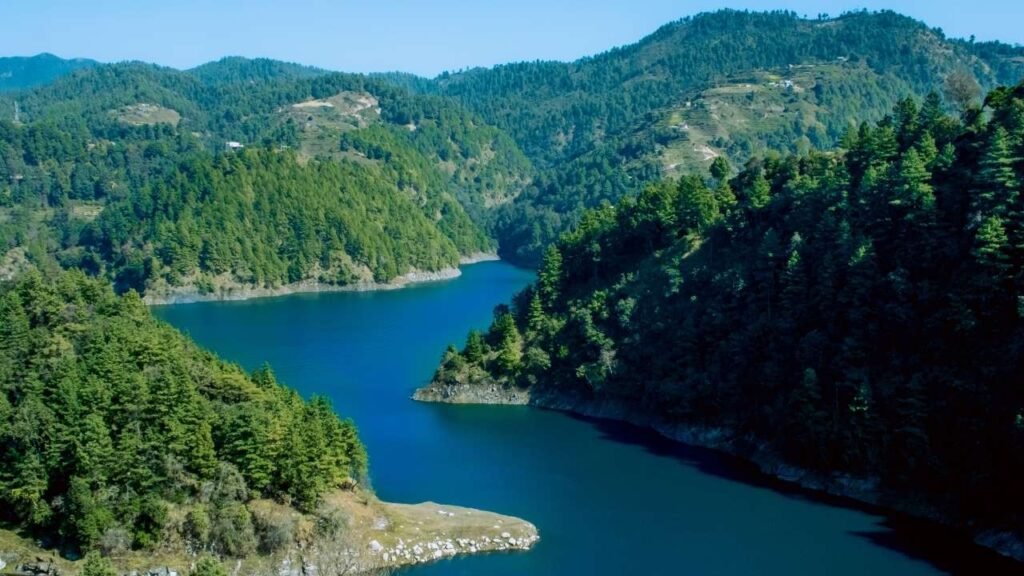
One reason choosing a travel month can be confusing is Nepal’s extraordinary geographical diversity. Within a single day, you can travel from the subtropical jungles of the Terai to mountain regions sitting above 4,000 meters. As a result, weather conditions vary dramatically depending on altitude and location. While one region enjoys sunny skies, another may be experiencing rain, snow, or cold temperatures.
Your ideal travel month also depends on what you plan to do. Trekking, mountain flights, wildlife safaris, cultural sightseeing, photography, and festival experiences are all influenced by seasonal conditions. Some months offer exceptional mountain visibility, while others provide blooming landscapes, quieter trails, or lower travel costs.
If you’re looking for the short answer, October and November are generally considered the best months to visit Nepal. These autumn months typically bring stable weather, clear skies, comfortable temperatures, and some of the year’s best mountain views. They also coincide with major festivals, creating a vibrant atmosphere across the country.
That said, every month offers a different side of Nepal. The best time to visit is ultimately the month that matches the experience you want to have.
Nepal’s Travel Seasons Explained: When Is the Best Time to Visit?
Nepal experiences four distinct travel seasons, and each offers a different experience depending on your priorities.
| Season | Months | Weather | Visibility | Trekking | Crowds | Costs |
| Spring | March to May | Warm and generally stable | Good | Excellent | High | Moderate-High |
| Monsoon | June to August | Rainy and humid | Poor | Limited | Low | Lowest |
| Autumn | September to November | Dry and stable | Excellent | Excellent | Highest | Highest |
| Winter | December to February | Cool to cold | Very Good | Good at lower elevations | Low-Moderate | Lower |
Spring is famous for blooming rhododendron forests, comfortable temperatures, and excellent trekking conditions. Monsoon transforms Nepal into a lush green landscape but brings frequent rain, cloudy mountain views, and occasional transportation disruptions.
Autumn is widely considered Nepal’s premier travel season. After the monsoon clears, skies become exceptionally clear, temperatures remain comfortable, and trekking conditions are at their best. This season also coincides with major festivals such as Dashain and Tihar, adding a unique cultural dimension to a visit.
Winter brings colder temperatures, especially in the mountains, but rewards travelers with quieter trails, lower prices, and surprisingly clear views on many days.
What Is the Best Month Overall?
If you can choose only one month, October is generally the best time to visit Nepal. It offers the ideal combination of stable weather, spectacular mountain visibility, pleasant temperatures, festival celebrations, and peak trekking conditions.
A close ranking would be:
- October
- November
- April
- March
- December
October and November provide the clearest skies of the year and the most reliable trekking conditions. April and March are excellent alternatives, particularly if you want warmer temperatures and colorful spring landscapes. December is often overlooked but offers great mountain views, fewer crowds, and better value for money.
While every month has its advantages, October and November remain the benchmark against which all other travel seasons in Nepal are measured.
Month-by-Month Breakdown: What Nepal Is Like Throughout the Year
Nepal changes dramatically from one month to the next. A trek in April feels completely different from the same route in July, while a visit in December offers a very different experience than one in October. Weather patterns, mountain visibility, crowd levels, trekking conditions, and travel costs all shift throughout the year.
Rather than focusing only on seasons, it’s often more useful to examine Nepal month by month. This approach helps you understand exactly what conditions to expect during your travel dates and whether a particular month matches your priorities.
In the following sections, we’ll break down every month of the year, highlighting weather conditions, trekking opportunities, crowd levels, major advantages, and potential drawbacks so you can choose the best time for your own style of travel.
Nepal in January
January is Nepal’s coldest month, but it can be surprisingly rewarding if you don’t mind winter conditions. In cities such as Kathmandu and Pokhara, daytime temperatures are generally comfortable for sightseeing, while higher trekking regions experience freezing nights and occasional snowfall.
One of January’s biggest advantages is mountain visibility. Cold winter air often produces exceptionally clear skies, making it a fantastic month for photography and Himalayan views. Tourist numbers are also much lower than during the autumn peak season, which means quieter attractions and better hotel deals.
January is particularly good for budget travelers, wildlife safaris in Chitwan and Bardia, and cultural exploration around Kathmandu Valley.
Pros
- Clear mountain views
- Fewer crowds
- Lower accommodation prices
- Excellent wildlife viewing
Cons
- Very cold at high elevations
- Some high passes may be snow-covered
- Shorter daylight hours
Nepal in February
February marks the gradual transition from winter to spring. Temperatures begin to rise, trails become more accessible, and early flowers start appearing in lower elevations. This month offers a balance between good weather and relatively low tourist numbers. Visibility remains strong, while trekking conditions improve compared to January.
Kathmandu sightseeing, Chitwan safaris, and lower-altitude treks such as Ghorepani Poon Hill are particularly enjoyable. For travelers seeking pleasant weather without peak-season crowds, February is often overlooked.
Pros
- Comfortable temperatures
- Clear skies
- Fewer tourists than spring peak months
- Good value for money
Cons
- High-altitude regions remain cold
- Some trekking routes can still have snow
Nepal in March
March signals the beginning of Nepal’s spring trekking season. Temperatures become noticeably warmer, forests start coming alive, and trekking routes gradually become busier.
The highlight of March is the start of rhododendron season. Nepal’s hillsides begin turning red, pink, and white as the national flower blooms across many trekking regions.
Popular routes such as Annapurna Base Camp, Langtang Valley, and Everest Base Camp enjoy excellent conditions during this period. Visibility is generally good, although occasional afternoon haze can develop at lower elevations.
Pros
- Start of peak trekking season
- Blooming rhododendron forests
- Comfortable temperatures
- Excellent trail conditions
Cons
- More trekkers on popular routes
- Some haze compared to autumn
Nepal in April
April is often considered the best month of Nepal’s spring season. Weather conditions are stable, temperatures are pleasant, and trails are at their most colorful. Across the Annapurna and Langtang regions, entire hillsides can be covered in flowering rhododendrons. Higher elevations remain accessible while lower regions enjoy warm but comfortable weather.
Mountain visibility remains strong, although autumn usually has a slight advantage. The downside is that April is one of Nepal’s busiest travel months, especially on major trekking routes.
Pros
- Peak spring scenery
- Excellent trekking weather
- Colorful landscapes
- Long daylight hours
Cons
- Busy trekking trails
- Higher accommodation demand
- Slightly warmer afternoons
Nepal in May
May sits between spring and monsoon. Temperatures rise significantly, especially in Kathmandu, Pokhara, and the Terai lowlands. Afternoon clouds and haze become more common as moisture builds ahead of the monsoon. While lower regions can feel hot, higher-altitude trekking remains attractive because temperatures at elevation are more comfortable than during colder months.
This is why experienced trekkers often target remote, high-altitude routes in May. If your goal is crystal-clear mountain photography, October and November are usually better choices. However, May can still be rewarding for those wanting warmer trekking conditions.
Pros
- Warm temperatures at altitude
- Less crowded than April
- Good for high-mountain trekking
Cons
- Increasing haze
- Hot conditions in lowlands
- Growing chance of rain
Nepal in June
June marks the arrival of the monsoon season across much of Nepal. Rainfall increases, mountain visibility declines, and travel disruptions become more common. However, June is not a complete write-off. Landscapes become incredibly green, rivers fill with fresh water, and tourist numbers drop sharply.
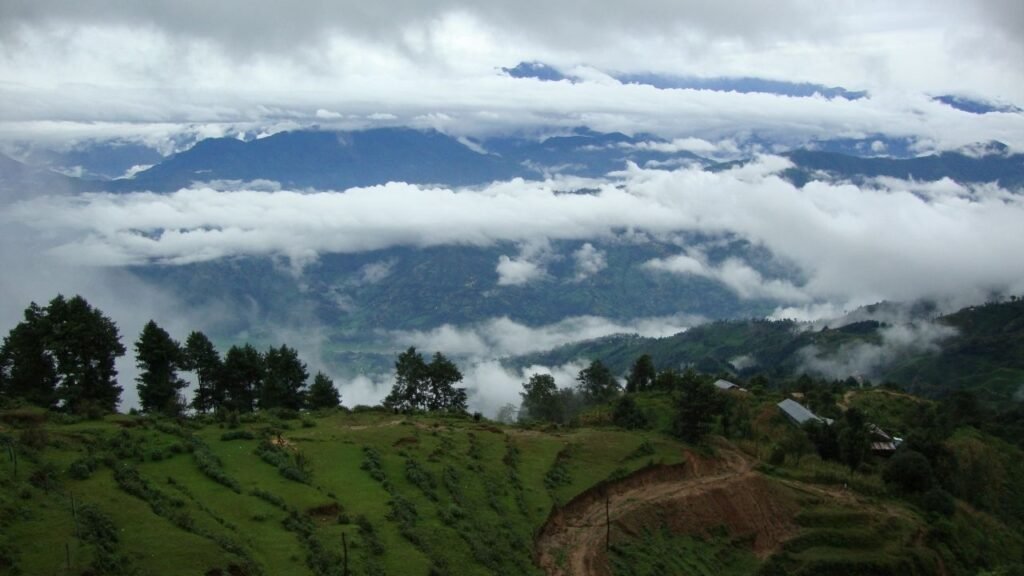
More importantly, Nepal’s rain-shadow regions, including Upper Mustang and Dolpo, remain largely protected from monsoon rains and offer some of the country’s best trekking opportunities. Travelers who understand Nepal’s geography can still enjoy excellent adventures during June.
Pros
- Lush green scenery
- Fewer tourists
- Lower travel costs
- Excellent conditions in rain-shadow regions
Cons
- Reduced mountain visibility
- Frequent rain
- Increased risk of transportation delays
Nepal in July
July is the heart of Nepal’s monsoon season. Heavy rainfall affects much of the country, particularly the hills and lower mountain regions. Cloud-covered skies often hide Himalayan views, while landslides and occasional flight delays can disrupt travel plans. However, July is not necessarily a bad month to visit. Tourist numbers are at some of their lowest levels of the year, prices are often lower, and the countryside becomes incredibly green.
Rain-shadow destinations such as Upper Mustang and Dolpo remain relatively dry and offer some of Nepal’s best trekking opportunities during this period. July is best suited to travelers seeking quieter experiences rather than classic mountain-view trekking.
Pros
- Lowest tourist numbers
- Lush landscapes
- Budget-friendly travel
- Excellent conditions in Upper Mustang and Dolpo
Cons
- Frequent rainfall
- Poor mountain visibility
- Risk of landslides and transport disruptions
Nepal in August
August continues the monsoon pattern, although rainfall may begin easing toward the end of the month. Forests, rice terraces, and hillsides are at their greenest, creating some of Nepal’s most vibrant landscapes.
Wildlife enthusiasts often enjoy August because water sources attract animals in national parks, while birdwatching opportunities improve dramatically. Kathmandu Valley can also be surprisingly enjoyable between rain showers, with cleaner air and fewer visitors. For trekking, rain-shadow regions remain the safest choice.
Pros
- Greenest scenery of the year
- Lower prices
- Fewer crowds
- Good wildlife opportunities
Cons
- Ongoing rain
- Muddy trails
- Limited mountain views
Nepal in September
September serves as a bridge between monsoon and autumn. Early in the month, occasional rain is still possible, but conditions steadily improve as the season progresses. One of September’s biggest advantages is the landscape itself. The monsoon leaves forests, valleys, and agricultural terraces looking fresh and vibrant.
Visibility improves week by week, and trekkers begin returning to popular routes in anticipation of peak season. Late September can offer many of the benefits of October with slightly fewer crowds.
Pros
- Improving weather
- Fresh post-monsoon landscapes
- Growing mountain visibility
- Fewer crowds than October
Cons
- Early-month rainfall remains possible
- Weather can be less predictable
Nepal in October
October is widely regarded as the best month to visit Nepal. The monsoon has cleared the atmosphere, leaving behind crystal-clear mountain views, stable weather, and ideal trekking conditions. Temperatures are comfortable across most of the country, whether you’re exploring Kathmandu, trekking to Everest Base Camp, or hiking in the Annapurna region.
October is also Nepal’s biggest festival month, with Dashain and often Tihar bringing celebrations, family gatherings, colorful decorations, and cultural events throughout the country. For first-time visitors, October delivers the classic Nepal experience most people imagine.
Pros
- Exceptional mountain visibility
- Stable weather
- Peak trekking conditions
- Major cultural festivals
Cons
- Highest tourist numbers
- More crowded trails and teahouses
- Premium prices in popular destinations
Nepal in November
Many experienced travelers actually prefer November over October. Weather remains dry and stable, but skies are often even clearer due to lower humidity levels. Mountain photography is particularly rewarding during November, and trekking conditions remain outstanding throughout the Everest, Annapurna, Langtang, and Manaslu regions.
Nights become colder than October, especially at higher elevations, but daytime conditions remain comfortable. If your priority is mountain views rather than festivals, November may be Nepal’s strongest month.
Pros
- Outstanding visibility
- Dry and predictable weather
- Excellent trekking conditions
- Slightly fewer crowds than October
Cons
- Colder nights at altitude
- Peak-season prices remain high
Nepal in December
December marks the beginning of winter, but conditions are often far more pleasant than many travelers expect. Days remain sunny across much of Nepal, while mountain views are frequently excellent thanks to dry winter air. Tourist numbers decline significantly after the autumn rush, creating quieter trails and a more relaxed atmosphere. Accommodation prices may also become more competitive in some destinations.
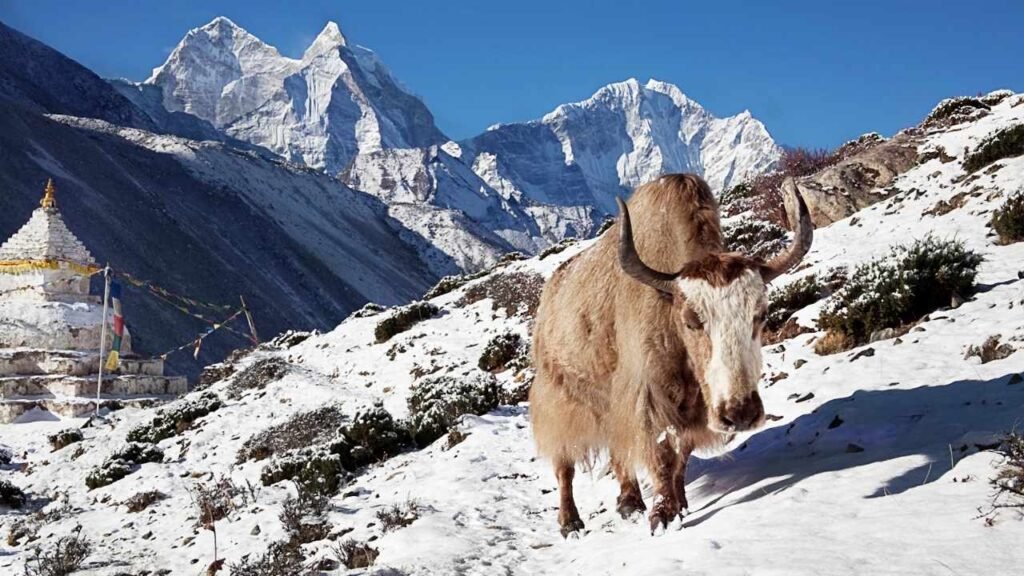
Many experienced trekkers choose December specifically because it combines clear skies, peaceful trails, and lower crowd levels. The main drawback is colder temperatures, especially during mornings and evenings at higher elevations.
Pros
- Clear mountain views
- Quiet trekking routes
- Lower tourist numbers
- Better value than autumn peak season
Cons
- Cold mornings and nights
- Snow possible at higher elevations
- Shorter daylight hours
Choosing the Best Month for Your Travel Style
The best month to visit Nepal depends less on the calendar and more on the experience you’re seeking. A trekker chasing Himalayan views, a photographer searching for perfect visibility, and a budget traveler looking for discounts may all choose different months. Instead of asking “When is the best time to visit Nepal?”, a better question is “What do you want from your trip?”
Best Month for Trekking in Nepal
For most trekking routes, October and November provide the most reliable conditions. Skies are typically clear, rainfall is minimal, and temperatures remain comfortable at both lower and higher elevations. Spring months, particularly March and April, are close competitors thanks to warmer weather and blooming rhododendron forests.
| Trek | Best Months | Why |
| Everest Base Camp | October to November, March to April | Clear views and stable weather |
| Annapurna Base Camp | October to November, March to April | Excellent visibility and comfortable temperatures |
| Annapurna Circuit | October to November | Best conditions for crossing Thorong La Pass |
| Langtang Valley | October to November, March to April | Great weather and beautiful scenery |
| Manaslu Circuit | October to November | Stable weather for high-pass crossings |
Top Trekking Months
- October
- November
- April
- March
- December
December deserves attention because experienced trekkers often prefer quieter trails and excellent visibility despite colder temperatures.
Best Month for Mountain Views
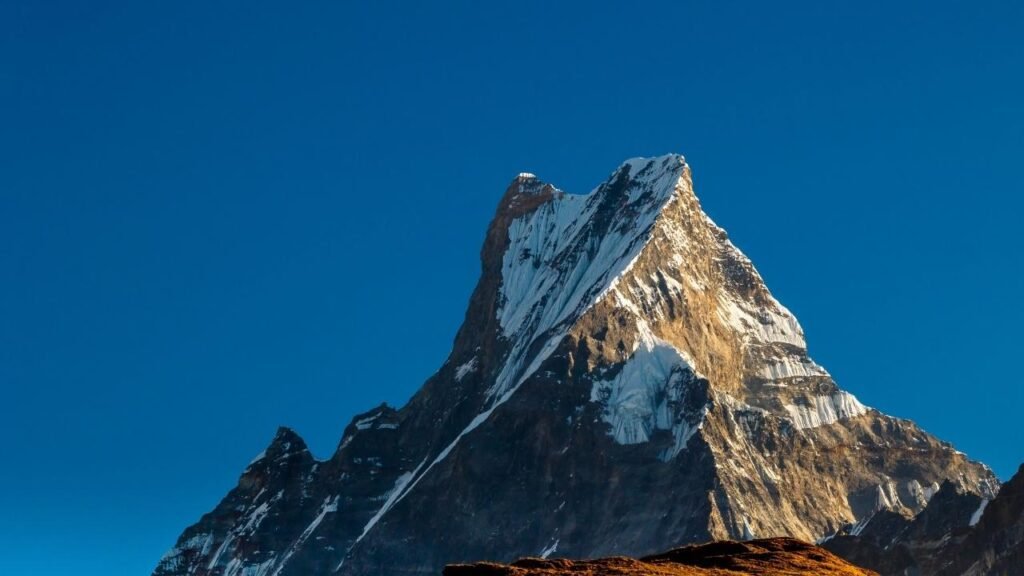
If seeing the Himalayas is your primary goal, atmospheric clarity matters more than temperature. After the monsoon washes dust and pollution from the air, visibility reaches its peak. Best Months for Mountain Views:
- November
- October
- December
- March
- April
November frequently takes first place because humidity levels are extremely low, resulting in exceptionally sharp views of peaks such as Everest, Annapurna, Dhaulagiri, and Manaslu. December can also be spectacular, while spring months often experience more haze, especially during afternoons.
Best Month for Budget Travelers
Peak-season Nepal can be expensive by local standards. Hotels fill quickly, flights become more expensive, and popular trekking routes are crowded. Traveling during the off-season can significantly reduce costs. Best Budget Months:
- July
- August
- January
- February
Accommodation discounts are common during these periods, domestic flights may be cheaper, and major attractions receive fewer visitors. The trade-off is weather. July and August bring monsoon rains, while January and February can be cold in mountain regions. For many travelers, the savings are worth the compromise.
Best Month for Wildlife and National Parks
While Nepal is famous for mountains, its national parks offer some of South Asia’s best wildlife experiences. Chitwan and Bardia are home to Bengal tigers, one-horned rhinoceroses, elephants, crocodiles, and hundreds of bird species. The best wildlife viewing months are:
- February to April
- October to December
During these periods, vegetation is less dense, water sources attract animals, and safari conditions are generally comfortable. Spring also brings excellent birdwatching opportunities, while autumn combines wildlife viewing with pleasant weather across the country.
Best Month for Festivals and Cultural Experiences
Nepal’s cultural calendar is packed with festivals, but timing your visit around a major celebration can transform your experience.
| Festival | Typical Month |
| Holi | March |
| Buddha Jayanti | April or May |
| Indra Jatra | September |
| Dashain | September or October |
| Tihar | October or November |
For cultural immersion, October is difficult to beat. Dashain and Tihar are Nepal’s two largest festivals, bringing family gatherings, decorated homes, traditional rituals, lights, music, and celebrations across the country. March is another excellent choice thanks to Holi, while September often offers the vibrant street celebrations of Indra Jatra in Kathmandu.
If your goal is to experience Nepal beyond its mountains, planning your trip around one of these festivals can be just as rewarding as choosing the perfect trekking season.
Conclusion
So, which is the best month to visit Nepal? For most travelers, the answer is October or November. These months offer the clearest mountain views, stable weather, excellent trekking conditions, and some of Nepal’s biggest cultural festivals.
However, the “best” month ultimately depends on what you want from your trip. April is ideal for colorful spring landscapes, December offers quieter trails and better value, while July and August can be surprisingly rewarding for budget travelers and those exploring rain-shadow regions such as Upper Mustang.
The good news is that Nepal isn’t a destination with a short travel window. From snowy Himalayan panoramas and rhododendron-covered trails to wildlife safaris and vibrant festivals, every month reveals a different side of the country. Choose the month that matches your interests, and you’ll discover that Nepal is worth visiting at any time of year.